
Can You Appeal a Car Insurance Rate Increase After a DUI?
Find Coverage for My SituationWhat Happens to Your Rate After a DUI Conviction
A DUI conviction changes your risk classification in your insurer's underwriting system. Most major carriers — State Farm, Allstate, GEICO, Progressive — will apply a rate increase at your next renewal, not immediately. The increase typically ranges from 70% to 130% depending on your state, age, prior driving record, and the carrier's specific rating algorithm.
This is not a penalty you negotiated or a fee you agreed to pay. It is a recalculation of your premium based on actuarial data showing drivers with DUI convictions file claims at higher rates than drivers without violations. The carrier applies this adjustment automatically when your conviction appears on your motor vehicle record during the standard renewal underwriting review.
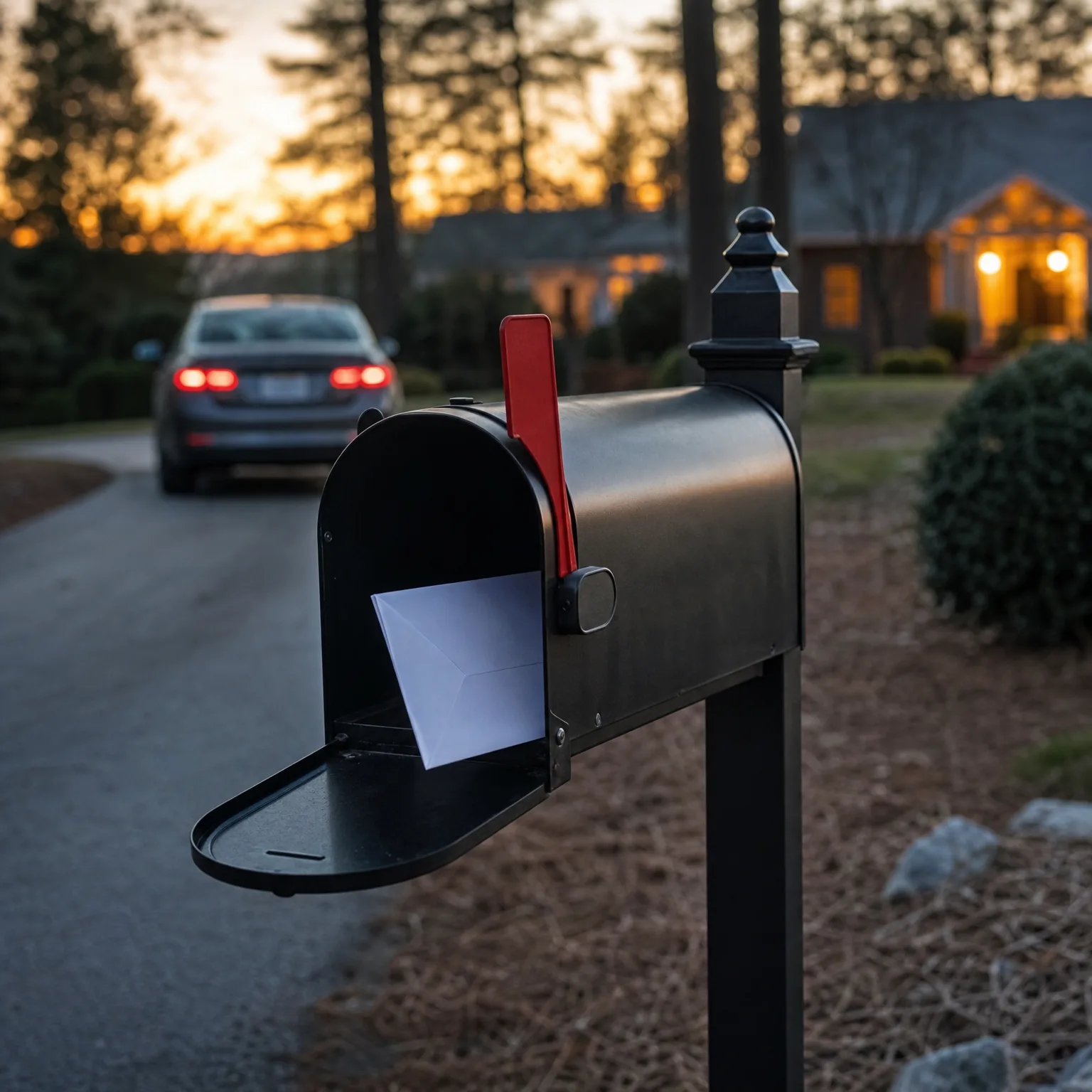
Some carriers will not raise your rate — they will simply non-renew your policy at the end of your current term. Non-renewal means the carrier declines to offer you another policy period. You receive a notice, typically 30 to 60 days before your policy expires, and you are responsible for finding new coverage before that date. A gap in coverage after a DUI creates a second high-risk factor on your record, compounding the rate impact when you do find a new policy.
Why You Cannot Appeal the Rate Increase Itself
Insurance pricing is regulated at the state level, and carriers must file their rating factors — including DUI surcharges — with the state's Department of Insurance before using them. Once approved, those factors are applied uniformly to all policyholders who meet the criteria. You cannot appeal the increase because it is not discretionary. It is the result of a filed and approved rating algorithm.
You can dispute the underlying conviction on your driving record if it was reported in error, expunged, or reduced to a lesser charge. If your motor vehicle record shows a DUI that should not appear, you file a correction request with your state's DMV or Department of Motor Vehicles. Once corrected, you provide the updated record to your insurer, and they will re-rate your policy without the DUI factor. This is rare — most DUI convictions remain on your record for 3 to 10 years depending on your state, and insurers pull updated records at each renewal.
Some drivers attempt to appeal by providing proof of completion of alcohol education programs, installation of an ignition interlock device, or maintaining a clean record after the conviction. These actions may reduce your rate over time or satisfy state reinstatement requirements, but they do not reverse the initial DUI-based rate adjustment. Carriers price the violation itself, not your behavior after the fact.


What You Can Control: Choosing the Right Carrier Type
The rate increase at your current carrier is fixed, but the market rate for DUI coverage varies widely depending on which type of carrier you approach. Standard carriers — the household names most drivers use before a violation — treat DUI drivers as exceptions to their core customer base. They either decline coverage or apply the maximum allowable surcharge.
Non-standard auto insurance refers to coverage offered by carriers that specifically work with high-risk drivers — those with DUIs, violations, lapses, or suspensions on their record. The coverage itself is identical to standard insurance; what differs is the carrier's willingness to write drivers who have been declined or overpriced elsewhere. Non-standard carriers build DUI risk into their baseline pricing model rather than treating it as an add-on surcharge, which often results in a lower total premium than a standard carrier's post-DUI rate.
Carriers that commonly write DUI drivers include Progressive, Dairyland, The General, Bristol West, National General, Acceptance Insurance, and SafeAuto. Not all of these operate in every state, and rates vary significantly based on your specific violation date, age, and required coverage limits. Comparing quotes from multiple non-standard carriers is the most effective way to reduce your post-DUI insurance cost.

Get Back to a Fair Rate After a Violation
Find Coverage for My SituationSR-22 Filing and How It Affects Your Options
Many states require drivers convicted of a DUI to carry an SR-22 before reinstating their license. SR-22 is not a type of insurance — it is a certificate your insurer files with the state, proving you carry the required minimum coverage. Not all insurance companies offer SR-22 filing; you will likely need a carrier that specializes in high-risk drivers.
The SR-22 filing itself costs between $15 and $50, paid to the carrier as a one-time or annual filing fee. This is separate from your premium. The requirement typically lasts 2 to 3 years in most states, though some require 5 years. During this period, your insurer must maintain continuous contact with the state — if your policy lapses or cancels for any reason, the insurer files an SR-26 (a cancellation notice), and your license is suspended again immediately.
Florida and Virginia require an FR-44 instead of an SR-22. FR-44 is Florida's and Virginia's version of the SR-22 requirement — a state-mandated certificate filed after a DUI, but with higher minimum liability limits. In Florida, FR-44 requires 100/300/50 coverage; in Virginia, 50/100/40. Because the liability limits are higher, FR-44 premiums are typically more expensive than SR-22 premiums in other states, even from the same carrier.

How Long the Rate Impact Lasts and When It Improves
The DUI conviction remains on your motor vehicle record for 3 to 10 years depending on your state. During that period, every carrier that pulls your record will see the conviction and price it into your premium. The rate impact does not disappear overnight — it diminishes gradually as the violation ages and you add clean driving time to your record.
Most carriers reduce the DUI surcharge after the first 3 years if you maintain a violation-free record during that period. The reduction is not automatic — it occurs at renewal when the carrier re-underwrites your policy and applies a lower risk factor to an older violation. After 5 years, many standard carriers will consider writing you again, though the DUI will still appear on your record and may result in a small residual surcharge.
Once the conviction falls off your motor vehicle record entirely, carriers will no longer price it into your premium. The lookback period — the number of years a conviction remains visible on your record — varies by state. California, for example, keeps DUI convictions on record for 10 years. Ohio keeps them for 6 years. Your state's DMV or Department of Motor Vehicles website typically lists the retention period for major violations.

What To Do Right Now
Step 1: Confirm whether your current carrier is non-renewing or raising your rate. Call your agent or check your policy documents within 7 days of receiving any notice. If you were non-renewed, note the effective date — you must have new coverage in place before that date or your license will suspend in most states. If you were offered renewal at a higher rate, you have until the end of your current term to shop.
Step 2: Determine whether your state requires SR-22 or FR-44 filing. Contact your state's DMV or check your license reinstatement letter within 10 days. If SR-22 or FR-44 is required, confirm the filing period (typically 2–3 years) and the required liability limits. You cannot reinstate your license until the filing is active, so this step controls your timeline.
Step 3: Request quotes from at least three non-standard carriers that offer SR-22 filing in your state. Do this within 15 days of confirming your requirement. Provide your exact conviction date, current coverage limits, and SR-22 requirement. Rates vary by 40% or more between carriers for the same driver profile, and the lowest-cost option changes depending on your specific violation and location.
Step 4: Purchase a policy and confirm the SR-22 filing was submitted before your reinstatement deadline. Most carriers file the SR-22 electronically within 24 hours of policy purchase, but some states require 3 to 5 business days for processing. If you miss your reinstatement window, your suspension period extends and you may face additional fees or penalties.
Step 5: Maintain continuous coverage without any lapses for the entire SR-22 filing period. Set up automatic payments and monitor your policy status every 90 days. A single missed payment that results in cancellation will trigger an SR-26 filing, suspend your license immediately, and restart your SR-22 clock in many states.
Frequently Asked Questions
Will my insurance company tell me before they raise my rate after a DUI?
Yes — your carrier must send a renewal notice showing the new premium before your current policy expires, typically 30 to 60 days in advance. If they are non-renewing you instead, they must provide written notice within the same timeframe. No carrier can raise your rate or cancel your policy mid-term due to a DUI conviction; changes take effect at renewal only.
Can I avoid the rate increase by switching carriers immediately after a DUI?
No — the DUI conviction appears on your motor vehicle record, and every carrier will see it when they pull your record during the quote process. Switching carriers does not hide the violation. Your best option is to compare quotes from non-standard carriers that specialize in high-risk drivers, where the base rate may be lower than your current carrier's post-DUI price.
Does completing a DUI education program reduce my insurance rate?
Completion of an approved alcohol education program or defensive driving course may satisfy your state's license reinstatement requirements, but it does not automatically reduce your insurance premium. Some carriers offer a small discount for course completion, but the DUI conviction itself remains on your record and continues to affect your rate for 3 to 10 years depending on your state.
How much does SR-22 filing add to my car insurance premium?
The SR-22 filing fee itself is typically $15 to $50, paid once or annually depending on the carrier. This fee covers the cost of filing the certificate with your state. The larger cost increase comes from the DUI conviction on your record, which raises your base premium by 70% to 130% or more, not from the SR-22 requirement itself.
What happens if I let my car insurance lapse while I need SR-22?
If your policy lapses or cancels for any reason during your SR-22 filing period, your insurer must file an SR-26 notice with the state, which triggers an immediate license suspension. You will need to purchase a new policy, pay reinstatement fees, and in some states restart your SR-22 filing period from the beginning.
Related Articles

Car Insurance After License Suspension in Ohio
5/17/2026
Careless Driving Plea Reduction Options by State
5/17/2026

Radar Speeding Ticket: Insurance Reporting Timeline
5/17/2026

Car Insurance After First OWI in Wisconsin: Rates & SR-22
5/17/2026

MO Reckless Driving: Insurance Rate Increase Guide
5/17/2026

Car Insurance After Reckless Driving in Massachusetts
5/17/2026