
What Happens to Your Car Insurance After a DUI in North Carolina
Find Coverage for My SituationYour Current Insurance Carrier Will Likely Drop You at Renewal
A DUI conviction in North Carolina does not cancel your current car insurance policy immediately. Your insurer typically continues coverage through the end of your current policy term — which could be anywhere from one to six months depending on when the conviction hits their underwriting system. At your renewal date, however, most standard carriers will either decline to renew your policy or increase your premium to a level that makes switching financially necessary.
This creates a specific timeline problem. If you wait until your non-renewal notice arrives, you have 30 to 60 days to find replacement coverage before your policy expires. If your policy lapses — even for a single day — that gap appears on your insurance record and makes every future quote more expensive. North Carolina tracks coverage continuously through its electronic insurance verification system, and a lapse compounds the rate increase you're already facing from the DUI.
Not all carriers handle DUI convictions the same way. Some standard carriers will keep you but move you to a high-risk tier within their own company, raising your rate by 100% or more. Others will send a non-renewal notice immediately after the conviction appears on your motor vehicle record. The outcome depends on your carrier's underwriting guidelines, your driving history before the DUI, and how long you've been with the company. The safest assumption is that you will need to find a new carrier.

North Carolina Requires an SR-22 Certificate After Most DUI Convictions
SR-22 is not a type of insurance — it is a certificate your insurer files with the North Carolina Division of Motor Vehicles, proving you carry the required minimum liability coverage. The state requires SR-22 filing after a DUI conviction as a condition of license reinstatement. Your insurance carrier submits the SR-22 form electronically to the DMV, and the DMV will not restore your driving privileges until that filing is in place.
Not all insurance companies offer SR-22 filing. Most standard carriers — the ones that insure drivers with clean records — either do not file SR-22 certificates at all or will drop you once the SR-22 requirement appears on your record. This is why a DUI conviction almost always forces you into the non-standard insurance market. Non-standard auto insurance refers to coverage offered by carriers that specifically work with high-risk drivers — those with DUIs, violations, lapses, or suspensions on their record. The coverage itself is identical to standard insurance; what differs is the carrier's willingness to write drivers who have been declined or overpriced elsewhere.
North Carolina typically requires SR-22 filing for three years following a DUI conviction. During that period, your insurance carrier must maintain the SR-22 certificate on file with the DMV. If you cancel your policy, let it lapse, or switch to a carrier that does not file SR-22, your insurer is required to notify the DMV immediately. The DMV will then suspend your license again until a new SR-22 filing is in place. This three-year clock does not restart if you let your SR-22 lapse — it suspends your progress and extends the total duration.


How Much Your Rates Will Increase and How Long It Lasts
A DUI conviction in North Carolina typically increases your car insurance premium by 70% to 130% compared to what you were paying before the conviction. The exact increase depends on your age, your driving record before the DUI, the type of vehicle you drive, and which non-standard carrier you choose. Drivers under 25 and drivers with prior violations before the DUI face increases at the higher end of that range. Drivers over 30 with otherwise clean records typically see increases closer to 70%.
These increases are not permanent. Most non-standard carriers reduce your premium annually if you maintain continuous coverage without additional violations. After the three-year SR-22 requirement ends and the DUI conviction ages past the five-year lookback window most carriers use, your rate begins to approach standard-market pricing again. Full recovery to pre-DUI rates typically takes five to seven years, assuming no additional violations during that period.
The SR-22 filing itself costs between $15 and $50, depending on the carrier. This is a one-time fee charged when the carrier first files the SR-22 certificate with the DMV, and it is separate from your premium increase. Some carriers spread this fee across your policy term; others charge it upfront. This fee does not recur annually — it is a filing service fee, not an ongoing surcharge.

Get Back to a Fair Rate After a Violation
Find Coverage for My SituationWhich Carriers Write Non-Standard Coverage in North Carolina
Several national and regional carriers specialize in non-standard auto insurance and offer SR-22 filing in North Carolina. The most widely available options include Progressive, Dairyland, The General, National General, Bristol West, Acceptance Insurance, and SafeAuto. Not all of these carriers operate in every North Carolina county, and availability can vary depending on your specific ZIP code and driving record.
Rates vary significantly between non-standard carriers — often by 40% or more for the same driver and vehicle. This spread exists because each carrier uses different underwriting models and risk assessment formulas. One carrier may weigh the DUI conviction more heavily; another may focus more on your age or prior claims history. This is why comparing quotes from at least three non-standard carriers is essential. The first quote you receive is rarely the best available rate.
Some drivers assume they should accept the first SR-22 policy they find because they believe their options are limited. This is incorrect. Non-standard carriers compete aggressively for DUI-risk business, and shopping around produces measurably lower premiums. The difference between the highest and lowest quote for the same driver in North Carolina frequently exceeds $1,000 annually.
What Happens If You Don't Own a Vehicle
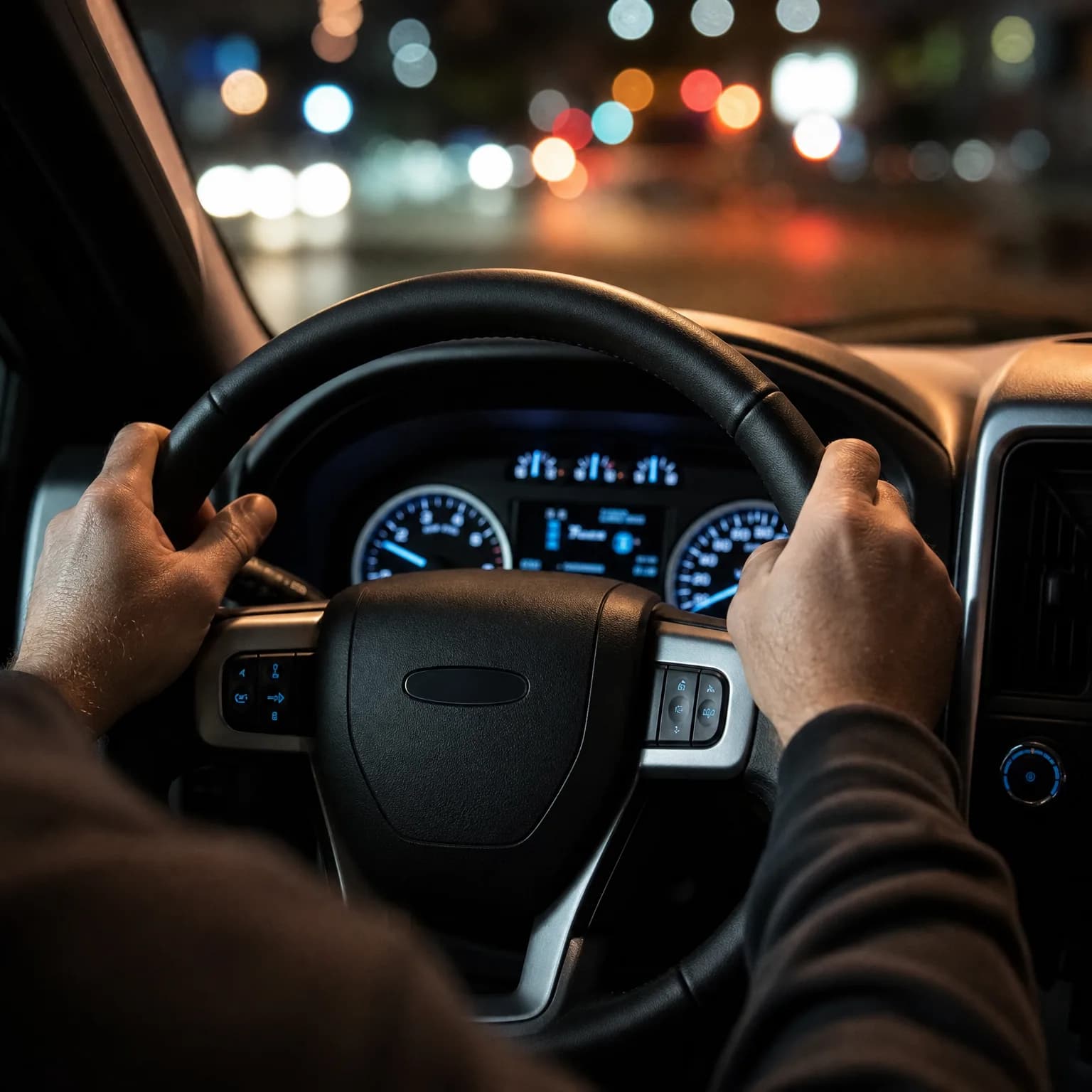
If you do not own a vehicle but still need to satisfy the SR-22 requirement to reinstate your license, you need a non-owner SR-22 policy. This is a liability-only insurance policy that covers you when you drive a vehicle you do not own — a rental car, a friend's car, or a car-sharing service. The policy does not cover a specific vehicle; it follows you as a driver.
Non-owner SR-22 policies typically cost 40% to 60% less than standard SR-22 policies because they do not include collision or comprehensive coverage. The policy still satisfies North Carolina's SR-22 filing requirement, and the insurer files the certificate with the DMV exactly as they would for a standard policy. If you later purchase a vehicle, you must switch to a standard policy and ensure the new carrier maintains your SR-22 filing to avoid a lapse.
What To Do Right Now
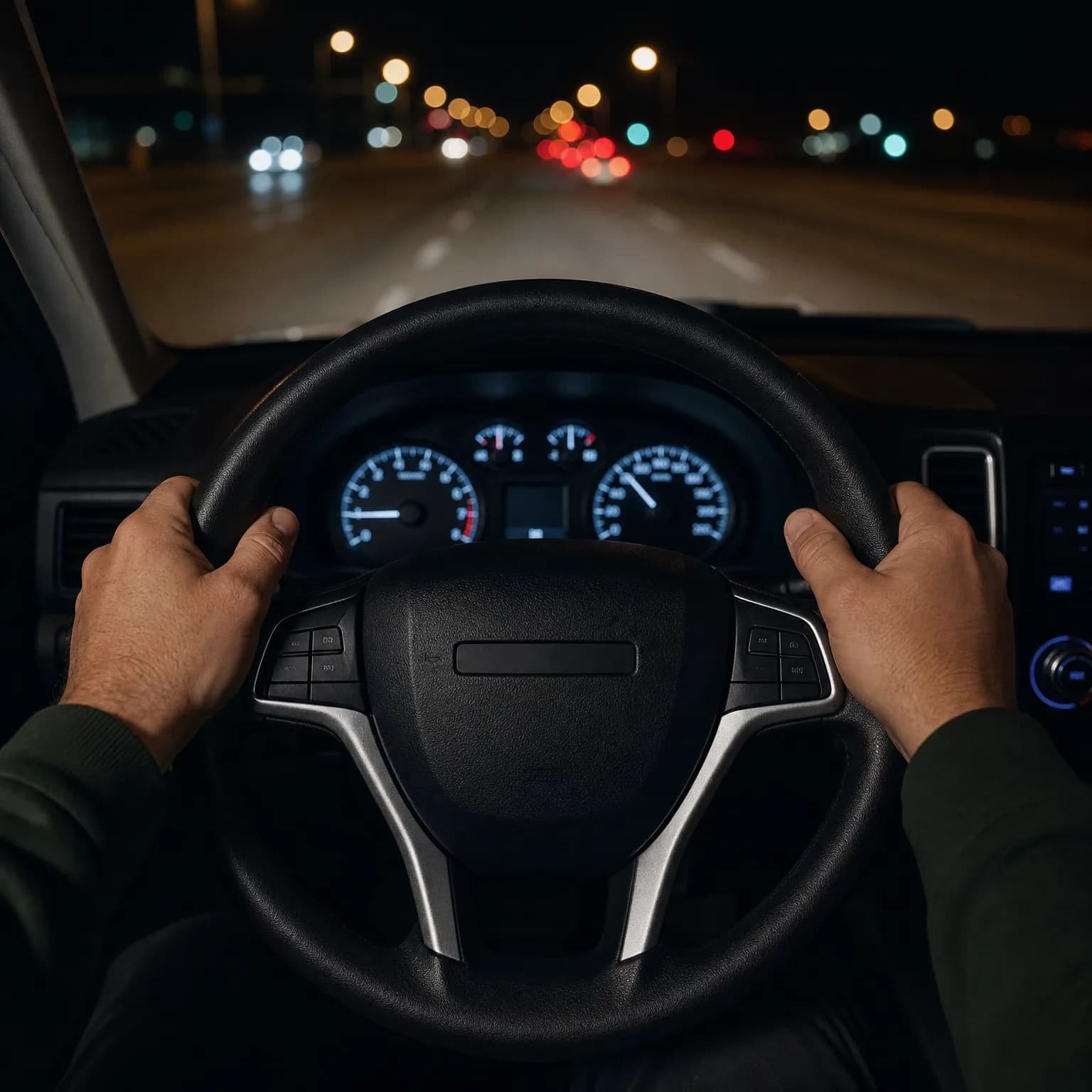
1. Request quotes from at least three non-standard carriers within the next seven days. Do this before your current carrier sends a non-renewal notice. If you wait until after non-renewal, you lose negotiating time and risk a coverage gap. Specify that you need SR-22 filing when requesting quotes — this ensures the carrier can actually write your policy.
2. Purchase a policy and confirm SR-22 filing at least 15 days before your current policy expires. The carrier needs time to process the SR-22 certificate and transmit it to the North Carolina DMV. If the DMV does not receive the filing before your old policy ends, a gap appears on your record even if your new policy is already in force. Ask the carrier for confirmation that the SR-22 has been filed — do not assume it happened automatically.
3. Maintain continuous coverage for the full three-year SR-22 requirement period. Set a calendar reminder for your policy renewal date every six months. If you miss a payment or let your policy lapse, the carrier notifies the DMV within 24 hours, and your license is suspended again. Reinstating after a lapse requires filing a new SR-22, paying reinstatement fees, and often results in a higher premium because the lapse appears as a separate risk factor.
4. Do not cancel your policy to switch carriers without confirming the new carrier has filed your SR-22 first. Even a one-day gap between policies triggers a suspension. When switching carriers, overlap your coverage — purchase the new policy with an effective date before your old policy ends, confirm the new SR-22 filing is active, then cancel the old policy. The small cost of overlapping coverage for a few days is far less expensive than the reinstatement fees and rate increases caused by a lapse.
Frequently Asked Questions
How long does a DUI stay on my insurance record in North Carolina?
Most insurance carriers in North Carolina look back five years when calculating premiums. A DUI conviction will affect your rate for approximately five years from the conviction date, though the impact decreases each year if you maintain a clean record. The SR-22 requirement itself lasts three years.
Can I keep my current insurance after a DUI in North Carolina?
Your current policy will remain active through the end of your policy term, but most standard carriers will non-renew your policy at that point. Some carriers will keep you but move you to a high-risk tier with significantly higher rates. You should request quotes from non-standard carriers immediately to compare costs and avoid a coverage gap.
What happens if my SR-22 insurance lapses in North Carolina?
If your SR-22 insurance lapses for any reason, your carrier is required to notify the North Carolina DMV within 24 hours. The DMV will suspend your license immediately. To reinstate, you must purchase a new SR-22 policy, pay reinstatement fees, and file a new SR-22 certificate. The three-year SR-22 requirement does not restart, but your rates will likely increase due to the lapse.
Do I need SR-22 insurance if I don't own a car in North Carolina?
Yes, if the court or DMV requires SR-22 filing as a condition of license reinstatement, you still need it even if you don't own a vehicle. You can satisfy this requirement with a non-owner SR-22 policy, which provides liability coverage when you drive vehicles you don't own and costs significantly less than a standard SR-22 policy.
How much does SR-22 insurance cost in North Carolina after a DUI?
The SR-22 filing fee itself is typically $15 to $50, but the DUI conviction increases your total premium by 70% to 130% compared to standard rates. Total annual costs vary widely based on age, driving history, and carrier, but most drivers pay between $1,800 and $3,500 annually for SR-22 coverage after a DUI.
Related Articles

Car Insurance After License Suspension in Ohio
5/17/2026

Careless Driving Plea Reduction Options by State
5/17/2026

Radar Speeding Ticket: Insurance Reporting Timeline
5/17/2026

Car Insurance After First OWI in Wisconsin: Rates & SR-22
5/17/2026

MO Reckless Driving: Insurance Rate Increase Guide
5/17/2026
Car Insurance After Reckless Driving in Massachusetts
5/17/2026