
What Happens to Your Car Insurance After a Traffic Violation
Find Coverage for My SituationWhat Happens to Your Current Policy After a Violation
Your current insurer will not cancel your policy immediately after a traffic violation — they will wait until your renewal date, then either non-renew you or increase your premium by 40-130% depending on the violation type. This creates a timing problem most drivers miss: you have until your renewal date to find alternative coverage, and waiting until you receive the non-renewal notice leaves you 10-30 days to secure high-risk insurance before your policy ends.
DUI convictions trigger the highest rate increases, typically 70-130% at carriers that still offer renewals. Reckless driving violations result in 40-90% increases. License suspensions for points accumulation or unpaid tickets create a different problem — many standard carriers will non-renew you immediately once the suspension appears on your motor vehicle record, even if you have reinstated your license.
The carrier decision happens when your violation posts to your driving record, which can occur 30-90 days after your court date depending on your state's reporting timeline. Once the violation appears, your insurer reviews your file and makes the renewal decision. Under current state requirements, carriers must provide written notice before non-renewal — typically 30-60 days before your policy expires — but that window is tight when you need to secure coverage from a non-standard carrier.

When Your State Requires SR-22 or FR-44 Filing
SR-22 is not a type of insurance — it is a certificate your insurer files with the state, proving you carry the required minimum liability coverage. Not all insurance companies offer SR-22 filing; you will likely need a carrier that specializes in high-risk drivers. Your state typically requires SR-22 filing after a DUI conviction, driving without insurance, or multiple serious violations within a short period.
Most states require SR-22 filing for 3 years from your conviction date, though some require 5 years. Florida and Virginia use a different requirement: FR-44 is Florida's and Virginia's version of the SR-22 requirement — a state-mandated certificate filed after a DUI, but with higher minimum liability limits. In Florida, FR-44 requires 100/300/50 coverage; in Virginia, 50/100/40. Standard liability minimums in most states are 25/50/25, which means FR-44 drivers must carry significantly higher coverage.
The filing itself costs $15-50, paid to your carrier as a one-time or annual processing fee. The larger cost is the premium increase for the underlying coverage — non-standard carriers that offer SR-22 filing charge 40-150% more than standard rates because they are taking on drivers other carriers declined. Missing a single premium payment during your SR-22 period triggers an automatic filing cancellation notice to the state, which can result in immediate license suspension in most states.


How Much Your Rates Increase and How Long It Lasts
Rate increases from traffic violations follow a specific pattern based on violation severity and your state's rating rules. A DUI conviction increases your premium by 70-130% at carriers willing to write high-risk policies. Reckless driving violations result in 50-90% increases. Driving on a suspended license adds 40-80% to your base rate, even after reinstatement.
These increases compound with SR-22 filing requirements. A driver paying $1,200 annually for standard coverage before a DUI will typically pay $2,500-3,500 annually with a non-standard carrier offering SR-22 filing. The increase reflects both the violation surcharge and the shift from standard to non-standard underwriting.
Violations remain on your driving record for 3-5 years in most states, but carrier surcharges often drop after the first 3 years if you maintain continuous coverage without additional violations. Your rate will not return to pre-violation levels until the violation falls off your record entirely and you qualify to move back to a standard carrier. This transition typically happens 3-5 years after your conviction date, assuming you maintained SR-22 filing throughout the required period and avoided new violations.

Get Back to a Fair Rate After a Violation
Find Coverage for My SituationWhich Carriers Write High-Risk Policies After Violations
Non-standard auto insurance refers to coverage offered by carriers that specifically work with high-risk drivers — those with DUIs, violations, lapses, or suspensions on their record. The coverage itself is identical to standard insurance; what differs is the carrier's willingness to write drivers who have been declined or overpriced elsewhere.
Carriers that regularly offer SR-22 filing and non-standard policies include Progressive, Dairyland, The General, Bristol West, National General, Acceptance Insurance, and SafeAuto. Not all of these carriers operate in every state, and availability varies by violation type. Progressive writes some DUI policies in most states but may decline drivers with multiple DUIs or suspended license violations. Dairyland and The General specialize in higher-risk profiles and typically offer coverage when other non-standard carriers decline.
You cannot assume your current carrier will offer you a renewal after a serious violation, even at a higher rate. State Farm, Allstate, and GEICO typically non-renew DUI drivers at the next renewal period rather than offer SR-22 filing. This makes it critical to begin shopping for non-standard coverage as soon as your violation posts to your record, rather than waiting for a non-renewal notice.

Coverage Gaps Create a Second Suspension Risk
A single day of coverage gap after your violation conviction can trigger a second license suspension in most states, separate from any DUI-related suspension. This happens because your SR-22 filing proves continuous coverage to the state — if your carrier cancels your policy for non-payment and files an SR-22 termination notice, your state's Department of Motor Vehicles receives that notice within 24-48 hours and can suspend your license immediately.
This creates a specific failure mode most violation drivers miss: if you let your non-standard policy lapse because the premium is unaffordable, you lose both your coverage and your license simultaneously. Reinstating your license after a coverage-gap suspension requires filing a new SR-22, paying reinstatement fees that typically range from $50-$300, and proving you have secured new coverage. Some states add an additional SR-22 filing period when this happens, extending your total requirement from 3 years to 5 years.
Maintaining continuous coverage becomes more important than finding the absolute lowest rate during your SR-22 period. A policy you can afford to keep active for the full 3-year requirement is better than the cheapest quote you find if that carrier has a reputation for mid-term cancellations or strict payment policies.
What To Do Right Now
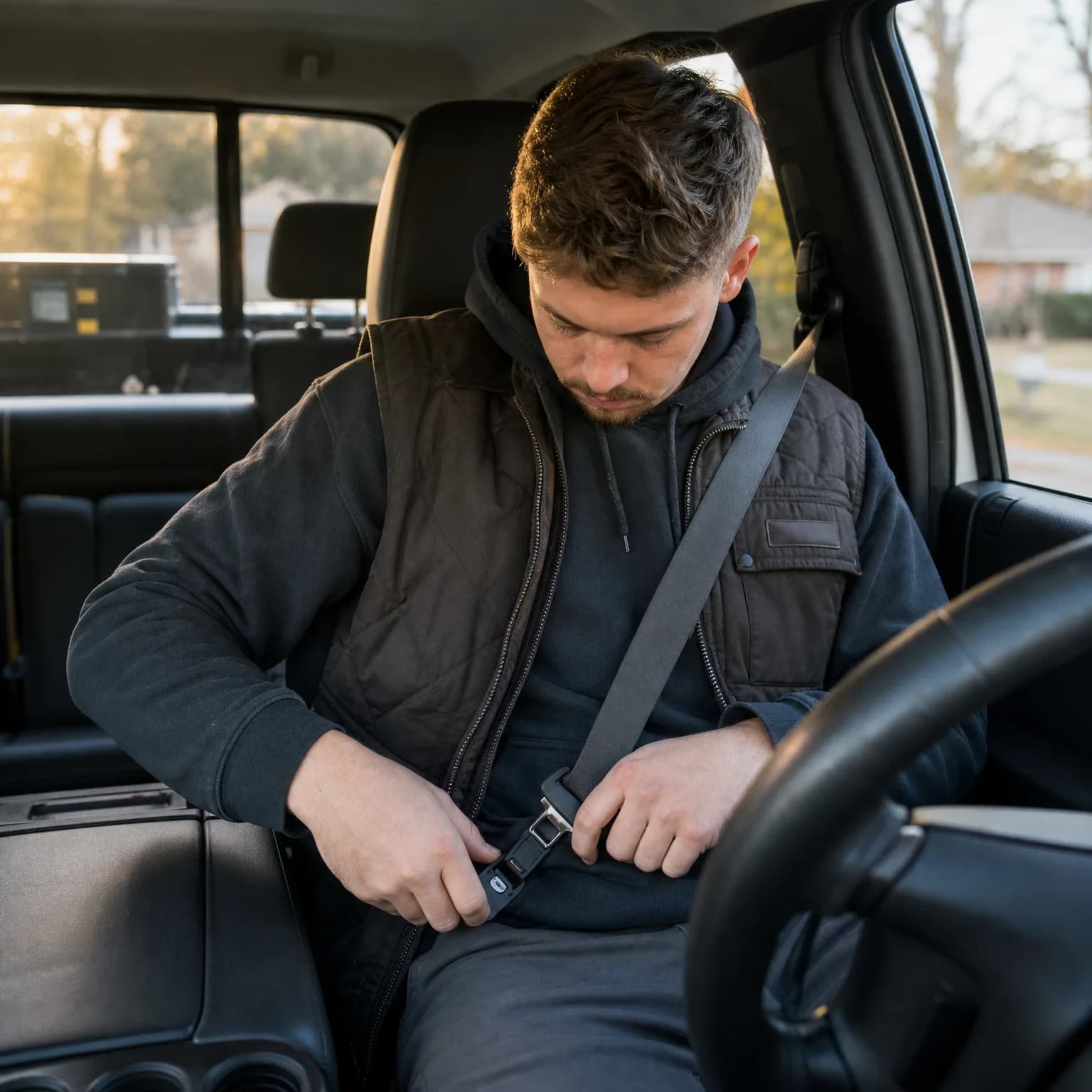
Contact your current carrier within 7 days of your violation conviction and ask explicitly whether they will offer you a renewal and whether they provide SR-22 filing. If they will non-renew you or do not offer SR-22, you need to begin shopping for non-standard coverage immediately — before your non-renewal notice arrives. Waiting until 30 days before your policy expires limits your options to whatever carrier will write you on short notice.
Request SR-22 quotes from at least three non-standard carriers: Progressive, Dairyland, and The General are available in most states and write most violation profiles. Provide your exact conviction date, violation type, and current coverage limits. Ask each carrier how they handle mid-term cancellations and what their reinstatement policy is if you miss a payment — this matters more after a violation than it does with standard coverage.
Secure your new policy at least 15 days before your current policy expires, and confirm your new carrier has filed your SR-22 certificate with your state before your old policy ends. You can verify SR-22 filing status by contacting your state's Department of Motor Vehicles directly — most states provide a phone line or online portal showing your current filing status. A gap of even one day between your old policy's end date and your new SR-22 filing can trigger an automatic suspension.
Set up automatic payments or payment reminders for your new policy. A missed payment during your SR-22 period does not just cancel your coverage — it sends a termination notice to the state, which suspends your license. If your premium is unaffordable, reduce your coverage to state minimums or increase your deductible before letting the policy lapse. Continuous coverage at minimum limits is better than a gap.
Frequently Asked Questions
Will my car insurance company cancel my policy immediately after a DUI?
No — your current insurer will wait until your renewal date to either non-renew your policy or increase your premium, typically by 70-130%. You have until that renewal date to find alternative coverage, which gives you 30-180 days depending on when your violation posts to your driving record and when your policy renews.
How long does a traffic violation affect my car insurance rates?
Violations remain on your driving record for 3-5 years in most states, and carriers typically surcharge your premium for the full period. DUI convictions result in rate increases of 70-130% that last until the conviction falls off your record, though some carriers reduce the surcharge after 3 years if you maintain a clean record.
Can I get car insurance without SR-22 after a DUI?
Not if your state requires SR-22 filing as a condition of license reinstatement. Most states require SR-22 for 3 years after a DUI conviction, and driving without it results in immediate license suspension. You must carry SR-22 coverage from a carrier that offers the filing until your state releases the requirement.
What happens if I let my SR-22 insurance lapse?
Your carrier files an SR-22 termination notice with the state within 24-48 hours, which triggers an automatic license suspension in most states. Reinstating your license requires securing new SR-22 coverage, paying reinstatement fees of $50-$300, and in some states adds 1-2 additional years to your total SR-22 filing requirement.
Which insurance companies offer coverage after a DUI?
Non-standard carriers including Progressive, Dairyland, The General, Bristol West, National General, and Acceptance Insurance regularly write DUI policies with SR-22 filing. Standard carriers like State Farm, Allstate, and GEICO typically non-renew DUI drivers rather than offer SR-22 coverage.
Related Articles

Car Insurance After License Suspension in Ohio
5/17/2026

Careless Driving Plea Reduction Options by State
5/17/2026

Radar Speeding Ticket: Insurance Reporting Timeline
5/17/2026

Car Insurance After First OWI in Wisconsin: Rates & SR-22
5/17/2026

MO Reckless Driving: Insurance Rate Increase Guide
5/17/2026
Car Insurance After Reckless Driving in Massachusetts
5/17/2026