
Car Insurance After Reckless Driving in Massachusetts
Find Coverage for My SituationWhat Happens to Your Policy After a Reckless Driving Conviction
Your current carrier will not cancel your policy the day your reckless driving conviction posts to your Massachusetts driving record. Most carriers wait until your policy renewal date to issue a non-renewal notice. That gives you between 30 and 180 days depending on where you are in your current policy term.
The rate increase happens at renewal. Expect your premium to rise 60-100% after a reckless driving conviction in Massachusetts. A driver paying $1,200 annually for full coverage can expect to pay $1,920 to $2,400 after the conviction posts. The exact increase depends on your age, how long you've held coverage, and whether you have other violations on your record.
If your carrier does non-renew you, the notice arrives 45 to 60 days before your renewal date in most cases. Massachusetts law requires carriers to provide written notice before non-renewal. Once that notice arrives, you are shopping in the non-standard market whether you planned to or not.

Why Standard Carriers Non-Renew After Reckless Driving
Reckless driving is classified as a major violation in Massachusetts. It carries 5 surcharge points under the Safe Driver Insurance Plan, the state's merit rating system that determines how violations affect your premium. Those 5 points remain on your record for 6 years from the violation date.
Standard carriers — State Farm, Geico, Progressive's standard tier — price their policies assuming low-risk drivers. A reckless driving conviction moves you into a risk category those carriers either won't write or price so high that non-standard carriers become the better option. Non-standard auto insurance refers to coverage offered by carriers that specifically work with high-risk drivers. The coverage itself is identical to standard insurance; what differs is the carrier's willingness to write drivers who have been declined or overpriced elsewhere.
Some drivers receive a non-renewal notice. Others receive a renewal offer at a rate so high that switching to a non-standard carrier saves money. Either outcome pushes you into the same market.
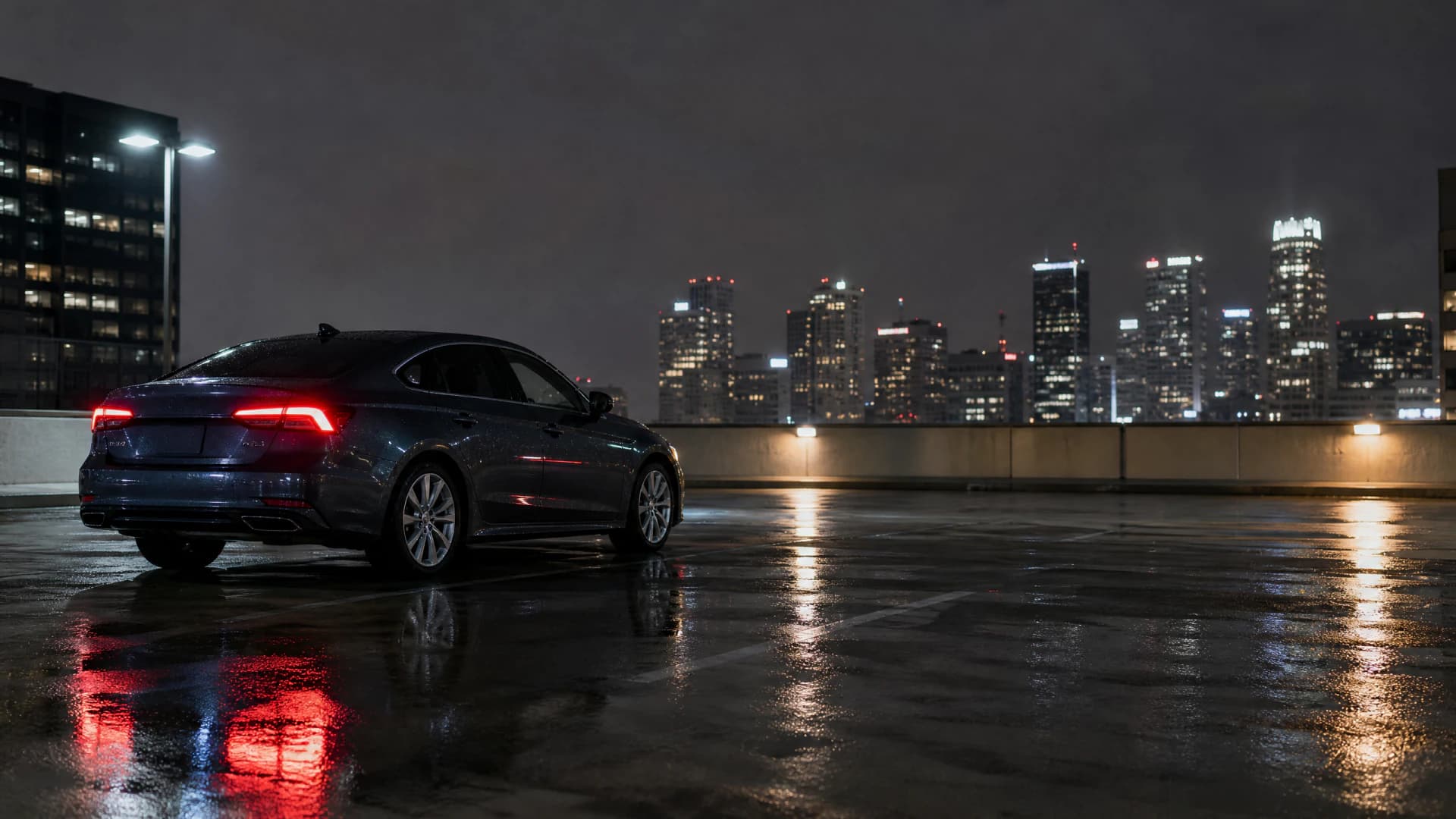

What Non-Standard Coverage Costs in Massachusetts
Non-standard carriers in Massachusetts typically quote $200 to $350 per month for full coverage after a reckless driving conviction. That range assumes a driver in their 30s or 40s with no other major violations and a vehicle financed or leased. Liability-only coverage for an owned vehicle runs $100 to $180 per month.
Carriers that write high-risk drivers in Massachusetts include Dairyland, The General, Progressive's non-standard tier, National General, and Bristol West. Not all of them operate in every Massachusetts county. Availability depends on your zip code and whether you need an SR-22 filing, though Massachusetts does not require SR-22 for reckless driving alone unless your license was suspended.
Rates drop as the conviction ages. Expect to pay elevated premiums for 3 to 5 years. After year three, some drivers qualify to move back to standard carriers if no additional violations appear on their record. After year six, the surcharge points drop off entirely and your rate returns to normal assuming a clean record during that period.

Get Back to a Fair Rate After a Violation
Find Coverage for My SituationMassachusetts-Specific Requirements After Reckless Driving
Massachusetts does not require SR-22 filing after a reckless driving conviction unless your license was suspended as part of the penalty. If the court suspended your license, the Registry of Motor Vehicles will notify you whether an SR-22 is required to reinstate. SR-22 is not a type of insurance — it is a certificate your insurer files with the state, proving you carry the required minimum coverage. Not all insurance companies offer SR-22 filing; you will need a carrier that specializes in high-risk drivers.
The state requires minimum liability coverage of 20/40/5: $20,000 per person for bodily injury, $40,000 per accident, and $5,000 for property damage. Massachusetts also requires personal injury protection and uninsured motorist coverage on every policy. If you financed or leased your vehicle, your lender requires collision and comprehensive coverage regardless of the violation.
If your license was suspended and you need SR-22 filing, expect to pay an additional $15 to $50 filing fee. The SR-22 must remain active for the period specified by the RMV, typically 3 years from the reinstatement date. A lapse in coverage during that period triggers a new suspension.

What To Do Right Now
Step 1: Confirm your current policy renewal date. Call your carrier or check your policy documents. You need to know how much time you have before the non-renewal notice arrives. If your renewal date is within 60 days, start shopping immediately.
Step 2: Request quotes from non-standard carriers before your renewal date. Dairyland, The General, and Progressive's non-standard tier all write Massachusetts drivers with reckless driving convictions. Get quotes from at least three carriers. Rates vary by $50 to $100 per month between carriers for the same coverage. Do this at least 30 days before your renewal date to avoid a coverage gap.
Step 3: If your license was suspended, confirm whether the RMV requires SR-22 filing before reinstatement. Check your suspension notice or contact the RMV directly. If SR-22 is required, tell the non-standard carrier when you request quotes. Not all carriers file SR-22 in Massachusetts; confirming this before you buy the policy prevents delays.
Step 4: Maintain continuous coverage without any lapses. A single day of no coverage after a reckless driving conviction can result in additional RMV penalties, including registration suspension. Set your new policy effective date to match your old policy's expiration date exactly. If you miss that window, Massachusetts considers you uninsured and the penalties compound.
Frequently Asked Questions
Does reckless driving require SR-22 in Massachusetts?
Reckless driving alone does not require SR-22 filing in Massachusetts. SR-22 is only required if the court suspended your license as part of the reckless driving penalty. The Registry of Motor Vehicles will notify you in your suspension notice if SR-22 filing is required to reinstate your license.
How long does a reckless driving conviction affect my insurance rates in Massachusetts?
A reckless driving conviction in Massachusetts carries 5 surcharge points that remain on your record for 6 years from the violation date. Expect elevated rates for 3 to 5 years. Some drivers qualify to return to standard carriers after 3 years with no additional violations; rates return to normal after the surcharge points drop off at year six.
Will my insurance company cancel my policy immediately after a reckless driving conviction?
Most carriers do not cancel your policy immediately. They wait until your policy renewal date to issue a non-renewal notice, giving you 30 to 180 days depending on where you are in your current policy term. Massachusetts law requires written notice 45 to 60 days before non-renewal in most cases.
What is the average cost of car insurance after reckless driving in Massachusetts?
Non-standard carriers in Massachusetts typically quote $200 to $350 per month for full coverage after a reckless driving conviction. Liability-only coverage runs $100 to $180 per month. These estimates assume a driver in their 30s or 40s with no other major violations. Individual rates vary by age, location, vehicle, and driving history.
Can I keep my current insurance after a reckless driving conviction?
Your current carrier may allow you to renew, but expect a rate increase of 60-100% at your renewal date. Some carriers issue a non-renewal notice instead. Even if your carrier offers renewal, the rate may be high enough that switching to a non-standard carrier saves money.
Related Articles
Cheapest Insurance After Reckless Driving by State
5/17/2026
How Long Reckless Driving Affects Car Insurance
5/17/2026

MO Reckless Driving: Insurance Rate Increase Guide
5/17/2026

Car Insurance After Reckless Driving in California
5/17/2026

Car Insurance After Reckless Driving in Michigan
5/17/2026

Car Insurance After Reckless Driving in Virginia
5/17/2026