
Car Insurance After Reckless Driving in Texas: What Happens Next
Find Coverage for My SituationWhat a Reckless Driving Conviction Does to Your Current Policy
Your insurer will find out about your reckless driving conviction when your Motor Vehicle Record updates, typically within 30 to 60 days of your court date. Most Texas carriers don't cancel your policy immediately. Instead, they send a non-renewal notice 30 days before your next renewal date, which means you stay covered under your current policy until that renewal arrives.
This creates a specific timeline problem. If your renewal is 90 days out, you have 60 days of normal coverage followed by a 30-day notice period. If your renewal is next month, you have almost no time to find replacement coverage before the non-renewal takes effect.
The non-renewal itself doesn't require SR-22 filing. What triggers SR-22 in Texas is a coverage gap after a serious violation. If you let your policy lapse because you didn't secure new coverage before the non-renewal date, the Texas Department of Public Safety can suspend your license and require SR-22 filing to reinstate it. That's the failure mode most drivers miss.

Does Texas Require SR-22 After Reckless Driving
Texas does not automatically require SR-22 filing after a reckless driving conviction. SR-22 is a state-mandated certificate your insurer files with the Texas DPS, proving you carry at least the minimum liability coverage required by law. You only need SR-22 if your license gets suspended.
The most common path to suspension after reckless driving is a coverage gap. If your carrier non-renews you and you don't replace coverage before the effective date, Texas registers that as a lapse. For drivers with recent violations, even a single day of lapse can trigger a suspension notice from the DPS. Once suspended, you'll need SR-22 filing to prove financial responsibility before the state will reinstate your license.
SR-22 itself is not insurance. It's a filing your insurance company submits on your behalf. The filing fee is typically $15 to $25, added to your premium. Not all carriers offer SR-22 filing. If you end up needing it, you'll need a non-standard carrier that specializes in high-risk drivers.


What Reckless Driving Does to Your Premium in Texas
A reckless driving conviction increases your car insurance premium by 60% to 110% in Texas, depending on your carrier, age, and prior record. If you were paying $140 per month before the conviction, expect $224 to $294 per month afterward. Estimates based on available industry data; individual rates vary by driving history, vehicle, coverage selections, and location.
The increase applies at your next renewal if your current carrier keeps you, or immediately if you're forced to move to a non-standard carrier. Non-standard carriers price higher because they accept drivers standard carriers decline. Progressive, Dairyland, The General, Bristol West, and Acceptance Insurance all write policies for Texas drivers with reckless driving convictions.
The surcharge stays on your record for three years in Texas. After three years without additional violations, your rate begins to drop. Most carriers reduce the violation surcharge gradually, with the steepest decrease occurring after the conviction ages past the three-year mark.

Get Back to a Fair Rate After a Violation
Find Coverage for My SituationHow Long You'll Pay Higher Rates
Texas insurers can surcharge a reckless driving conviction for three years from the conviction date. After three years, the violation no longer counts as a rating factor for most carriers. Your premium won't drop to your pre-conviction rate immediately, but the reckless driving surcharge itself disappears.
If you're required to file SR-22 due to a suspension, that filing requirement typically lasts three years as well. You must maintain continuous coverage with SR-22 on file for the entire period. If your policy lapses even once during those three years, the SR-22 clock resets and your suspension can be reinstated.
Some drivers see meaningful rate improvement after 18 months if they maintain continuous coverage and avoid new violations. Shopping your rate annually during the surcharge period is standard practice. Non-standard carriers often offer better rates immediately after a violation, but standard carriers may become competitive again as the violation ages past two years.
Non-Standard Coverage and What It Means
Non-standard auto insurance refers to coverage offered by carriers that specialize in high-risk drivers — those with violations, DUIs, lapses, or suspensions on their record. The coverage itself is identical to standard insurance. What differs is the carrier's willingness to write drivers who have been declined or priced out elsewhere.
Non-standard carriers price based on violation severity and time since conviction. A reckless driving conviction puts you in the high-risk category, but you're generally not in the highest tier unless you also have a DUI, multiple violations, or a suspension. Dairyland, The General, Bristol West, National General, and SafeAuto all operate in Texas and write policies for drivers with reckless driving convictions.
You're not locked into non-standard coverage forever. After 18 to 24 months of continuous coverage and no new violations, standard carriers may offer you a policy again. Some drivers stay with their non-standard carrier if the rate is competitive. Others shop back to standard carriers as soon as they qualify.
What To Do Right Now
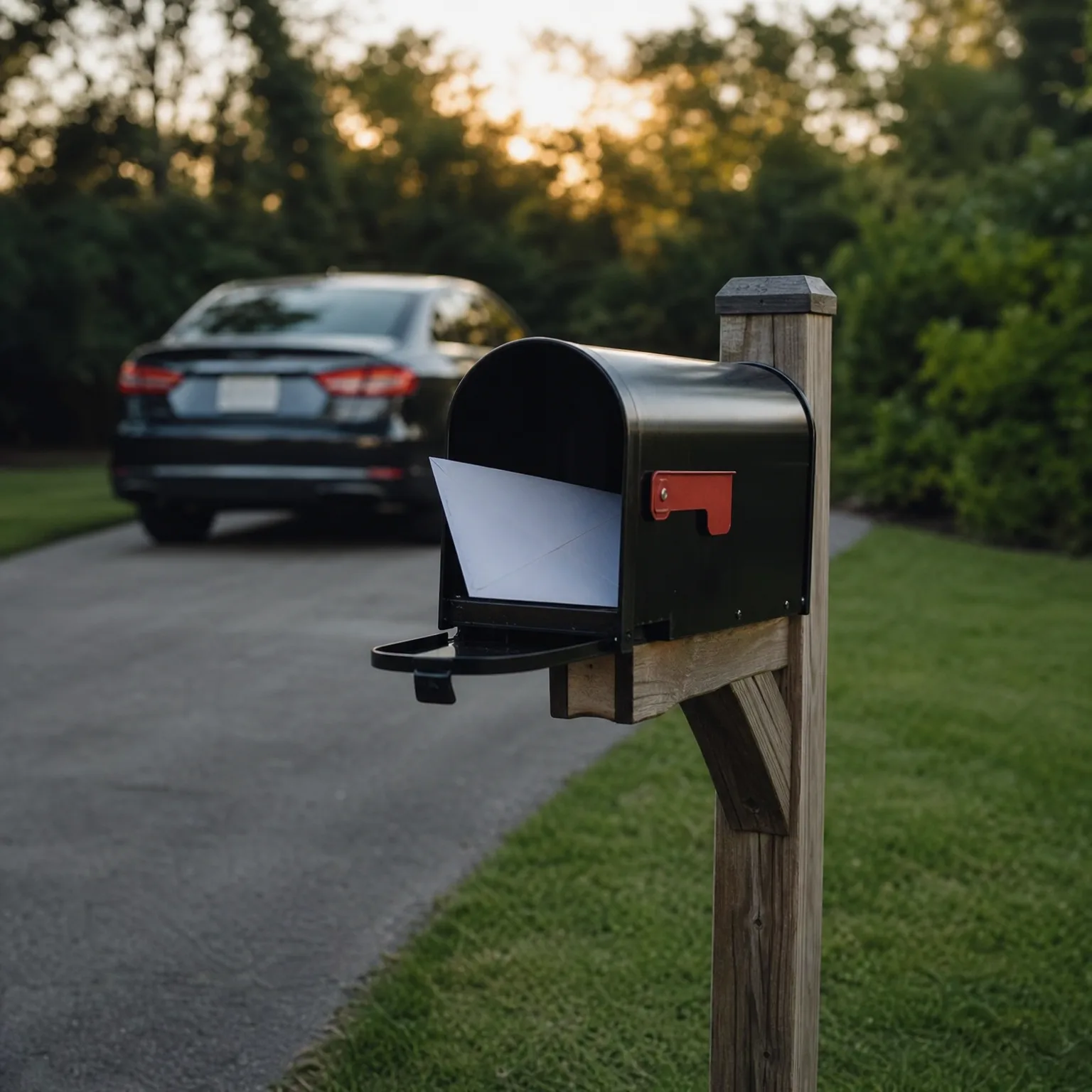
Step 1: Check your policy renewal date. Look at your current declarations page or call your agent. If your renewal is within 60 days, you're in the window where a non-renewal notice could arrive any day. If it's further out, you have time to prepare but should start shopping now.
Step 2: Get quotes from non-standard carriers before your renewal date. Do this even if your current carrier hasn't sent a non-renewal notice yet. Progressive, Dairyland, The General, and Acceptance Insurance all write Texas policies for drivers with reckless driving convictions. Get quotes 30 to 45 days before your renewal so you have coverage in place if a non-renewal notice arrives. If you wait until after the notice, you're shopping under time pressure.
Step 3: Do not let coverage lapse. If your current carrier non-renews you and you don't have replacement coverage bound before the effective date, Texas will register a lapse. For drivers with recent violations, a lapse triggers a suspension notice and SR-22 filing requirement in most cases. Once that happens, you're required to carry SR-22 for three years and pay reinstatement fees on top of higher premiums.
Step 4: If you receive a suspension notice, bind SR-22 coverage immediately. You cannot drive legally in Texas while suspended. SR-22 coverage must be in place before the DPS will process your reinstatement. Reinstatement fees in Texas typically range from $100 to $250 depending on the violation. The SR-22 filing itself costs $15 to $25, paid to your insurer as part of your premium.
Frequently Asked Questions
Will my insurance company drop me immediately after a reckless driving conviction in Texas?
Most Texas carriers will not cancel your policy immediately. They typically send a non-renewal notice 30 days before your next renewal date, which means you stay covered until that renewal arrives. This gives you a specific window to find replacement coverage before your current policy ends.
How much will my car insurance go up after reckless driving in Texas?
A reckless driving conviction increases your premium by 60% to 110% in Texas, depending on your carrier, age, and driving history. If you were paying $140 per month, expect $224 to $294 per month after the conviction. The surcharge stays on your record for three years from the conviction date.
Do I need SR-22 after a reckless driving ticket in Texas?
Texas does not automatically require SR-22 after reckless driving. You only need SR-22 if your license gets suspended, which most commonly happens if you let your coverage lapse after the conviction. SR-22 is a certificate your insurer files with the state proving you carry the required minimum liability coverage.
Can I still get car insurance with a reckless driving conviction in Texas?
Yes. Non-standard carriers like Progressive, Dairyland, The General, Bristol West, and Acceptance Insurance all write policies for Texas drivers with reckless driving convictions. You'll pay higher rates than standard coverage, but coverage is available immediately after the conviction.
Related Articles
Car Insurance After License Suspension in Texas
5/17/2026
Texas Car Insurance After Uninsured Driving Conviction
5/17/2026

Car Insurance After Reckless Driving in Pennsylvania
5/17/2026

Car Insurance After First DUI in Texas: Rates & SR-22
5/17/2026
Car Insurance After Reckless Driving in Virginia
5/17/2026

Second DUI in Texas: SR-22 Extension and Rate Impact
5/17/2026