
Third DUI in California: Felony Status and Insurance Impact
Find Coverage for My SituationWhat a Third DUI Does to Your Insurance Status in California
A third DUI within 10 years is prosecuted as a felony in California under Vehicle Code 23550. That felony designation eliminates your eligibility for standard auto insurance immediately. Your current carrier will cancel your policy within 30 to 60 days of receiving notification from the DMV, and most high-risk carriers that accept drivers with one or two DUIs will decline to quote a third offense.
You move into what insurers classify as assigned-risk status. This means you are either placed with a non-standard carrier that specializes in felony DUI cases, or you enter California's Assigned Risk Plan, a state-mandated pool where carriers are required to provide coverage to drivers no company will accept voluntarily. Assigned-risk policies cost 200 to 400 percent more than standard coverage, and the rate does not reflect your driving history alone — it reflects the pooled risk of every driver in the program.
California DMV revokes your license for 3 years after a third DUI conviction, measured from the conviction date. You cannot drive legally during the first 18 months unless you qualify for an Ignition Interlock Device restricted license. To reinstate after revocation, you must complete a 30-month DUI treatment program, file SR-22 for 3 years, pay reinstatement fees, and provide proof of insurance from a carrier willing to cover felony DUI drivers.

SR-22 Filing Requirements After a Felony DUI
SR-22 is not a type of insurance — it is a certificate your insurer files with the California DMV, proving you carry the state's minimum liability coverage of 15/30/5. California requires SR-22 filing for 3 years after a third DUI conviction, and the filing period begins only after your license is reinstated, not from the conviction date. If your SR-22 lapses for any reason during those 3 years, the DMV suspends your license again immediately.
Not all insurance companies offer SR-22 filing. Standard carriers like State Farm and Allstate typically decline to file SR-22 for felony DUI convictions. You will need a non-standard carrier that works with assigned-risk drivers. Examples include The General, Acceptance Insurance, Bristol West, and Dairyland. The SR-22 filing fee ranges from $15 to $50, paid to the carrier as a one-time charge, but the real cost comes from the premium increase tied to your felony DUI status.
If you move out of California during your SR-22 filing period, your requirement follows you. You must notify your new state's DMV and maintain continuous SR-22 coverage through a carrier licensed in that state. Any gap in coverage resets the 3-year clock in California and can trigger a suspension in your new state.

What You Will Pay for Insurance After a Third DUI
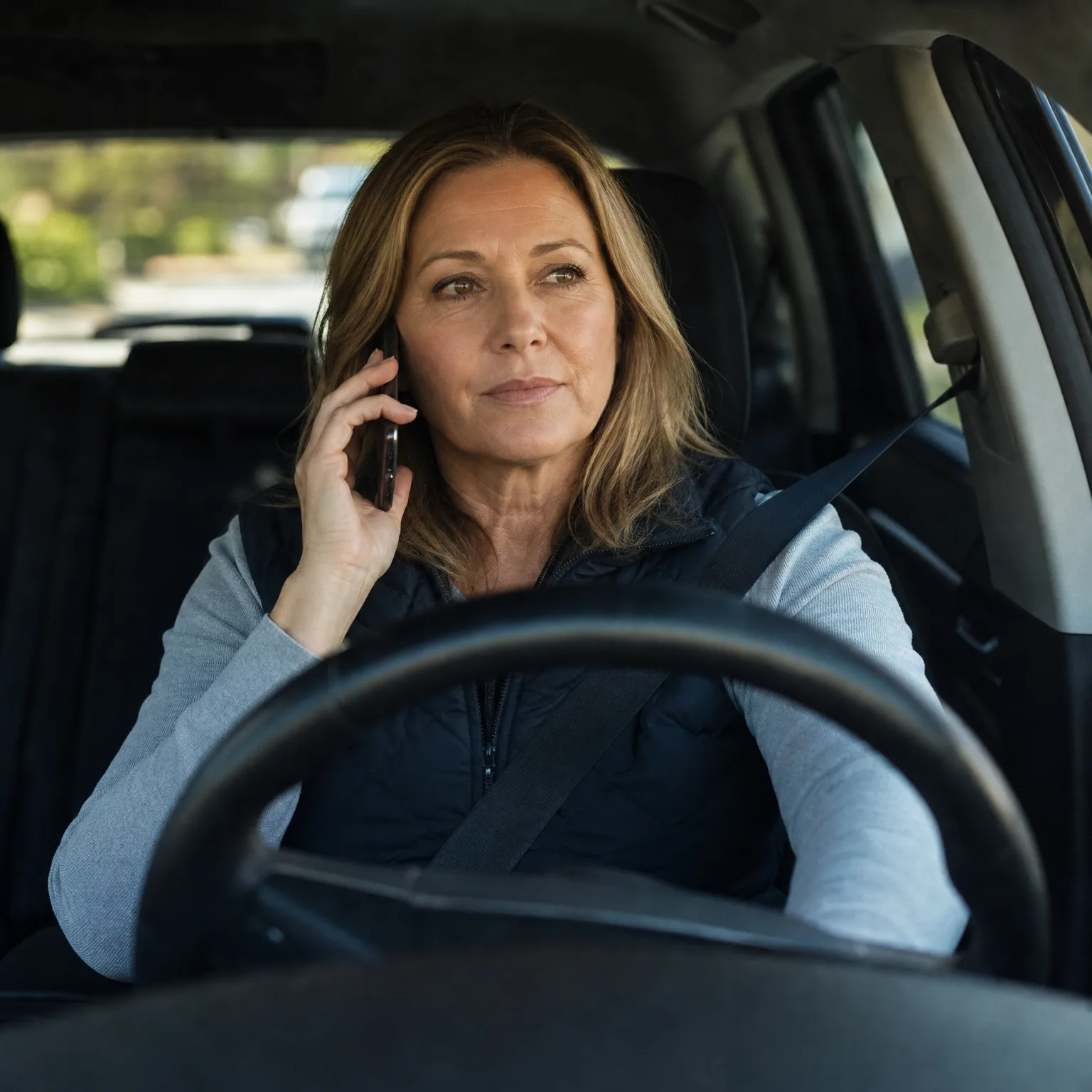
Insurance rates for a felony DUI in California typically range from $300 to $600 per month for minimum liability coverage, depending on your age, location, and whether you enter the Assigned Risk Plan. Drivers under 25 or in high-cost metro areas like Los Angeles or San Francisco often see quotes above $700 per month. These figures reflect assigned-risk underwriting, where your rate is calculated using a formula that includes the pooled claims cost of all felony DUI drivers, not just your individual risk.
Your rate will remain elevated for at least 10 years. California insurers can view your DUI conviction history for a decade, and the felony designation stays on your record permanently. After 3 years of continuous SR-22 filing and clean driving, some non-standard carriers may reclassify you from assigned-risk to standard high-risk, which can lower your premium by 30 to 50 percent, but you will not return to standard rates until the 10-year mark passes and only if you have no additional violations.
Comprehensive and collision coverage may not be available to you at any price during the first 2 years after reinstatement. Most assigned-risk carriers offer liability-only policies. If you finance or lease a vehicle, you will need to find a specialty lender that accepts liability-only coverage or pay cash.

Get Back to a Fair Rate After a Violation
Find Coverage for My SituationHow Long the Felony Designation Affects Your Insurance Options
The felony DUI conviction appears on your driving record permanently in California. Insurers can see it indefinitely, but the underwriting impact diminishes over time under California Insurance Code 1861.02, which limits how far back carriers can look for rate-setting purposes. Most insurers price your policy based on the most recent 10 years of driving history, meaning the felony stops affecting your quoted rate after a decade of clean driving.
During the first 3 years after reinstatement, you are locked into assigned-risk or non-standard carriers. Between years 3 and 10, you may qualify for standard high-risk carriers like Progressive or National General if you maintain continuous coverage and avoid any additional violations. After 10 years, the felony remains visible on background checks and criminal records, but insurers cannot use it to calculate your premium unless you have had additional DUI offenses during that period.
California does not expunge felony DUIs automatically. You can petition for expungement under Penal Code 1203.4 after completing probation, which removes the conviction from most background checks but does not erase it from DMV records. Insurers will still see the conviction when they pull your driving history, and they can still decline to offer coverage based on it, but they cannot use it to set your rate after 10 years.

Carriers That Will Insure Drivers with a Felony DUI
The assigned-risk market in California is served by a small group of non-standard carriers and the California Automobile Assigned Risk Plan. If no carrier will accept you voluntarily, you are assigned to a participating insurer through the state pool. Carriers in this program include Mercury Insurance, Bristol West, Kemper, and others that rotate through the assigned-risk system. You do not choose your carrier — the state assigns you based on availability.
If you can find voluntary coverage before entering the assigned-risk pool, you will typically pay 20 to 40 percent less than assigned-risk rates. Non-standard carriers that occasionally accept third-offense DUI drivers include The General, Acceptance Insurance, Dairyland, and SafeAuto. Not all of these carriers operate in every California county, and acceptance depends on your other risk factors, including age, prior claims, and whether you have an Ignition Interlock Device installed.
Brokers who specialize in high-risk and assigned-risk placement can access carriers that do not quote directly to consumers. If you have been declined by three or more insurers, contact a California-licensed broker who works with SR-22 and felony DUI cases. They can place you with a carrier outside the assigned-risk pool if your profile meets the carrier's underwriting criteria.

What to Do Right Now If You Have a Third DUI Conviction
Step 1: Contact your current insurer within 48 hours of conviction. Ask whether they will maintain your policy until your license is revoked or if they will cancel immediately. If they cancel, you have a narrow window to secure a replacement policy before a coverage gap appears on your record. A gap of even one day after a felony DUI can result in additional DMV penalties and reset your SR-22 filing eligibility.
Step 2: Enroll in California's required 30-month DUI treatment program within 21 days of conviction. The DMV will not process your reinstatement application until you provide proof of enrollment. Delaying enrollment extends your revocation period and postpones the start of your SR-22 filing requirement. The program costs $1,800 to $2,500 depending on the provider and county.
Step 3: Request SR-22 quotes from at least three non-standard carriers before your license revocation takes effect. Call The General, Acceptance Insurance, and Dairyland directly and ask if they offer SR-22 filing for third-offense DUI convictions in your county. If all three decline, contact a high-risk insurance broker to explore assigned-risk placement. Do not wait until reinstatement — securing coverage before revocation gives you leverage to avoid the assigned-risk pool.
Step 4: Apply for an Ignition Interlock Device restricted license if you need to drive during the revocation period. California allows IID-restricted licenses after 18 months of revocation for third-offense DUI drivers who complete the required treatment hours. The device costs $70 to $150 per month to lease and install. Your insurer must agree to cover you while driving with an IID — not all assigned-risk carriers allow it. Confirm coverage before applying for the restricted license.
Step 5: Maintain continuous SR-22 coverage for the full 3-year filing period without any lapses. Set up automatic payments and confirm your carrier reports filings to the DMV electronically. One missed payment that results in a lapse will suspend your license again and restart the 3-year SR-22 clock from zero. Most carriers send a cancellation notice 10 days before lapse — monitor your mail and email closely.
Frequently Asked Questions
Can I get car insurance in California with a felony DUI?
Yes, but you will be placed in the assigned-risk market or with a non-standard carrier that specializes in felony DUI cases. Standard insurers will not accept you. Expect rates between $300 and $600 per month for minimum liability coverage, and you will need continuous SR-22 filing for 3 years after license reinstatement.
How long does a third DUI affect my insurance rates in California?
A third DUI affects your rates for 10 years under California underwriting rules. Insurers can view the conviction permanently, but they cannot use it to calculate your premium after 10 years unless you have additional violations during that period. Your rates remain highest during the first 3 years after reinstatement.
What is California's Assigned Risk Plan for DUI drivers?
The California Automobile Assigned Risk Plan is a state-mandated pool where insurers are required to provide coverage to drivers no company will accept voluntarily. If you are declined by all non-standard carriers after a felony DUI, the state assigns you to a participating insurer. Rates in the assigned-risk pool are typically 200 to 400 percent higher than standard coverage.
Do I need SR-22 if my license is still revoked after a third DUI?
No, SR-22 filing is required only after your license is reinstated. California's 3-year SR-22 filing period begins on your reinstatement date, not your conviction date. You must maintain continuous SR-22 coverage for the full 3 years or your license will be suspended again.
Can I drive with an Ignition Interlock Device while my license is revoked for a third DUI?
Yes, California allows you to apply for an IID-restricted license after 18 months of your 3-year revocation period if you complete the required DUI treatment hours. You must install an Ignition Interlock Device in any vehicle you drive, and your insurer must agree to cover you with the device installed. Not all assigned-risk carriers allow IID coverage.
Related Articles

Felony DUI Causing Injury in CA: Rate Impact & SR-22
5/17/2026

Car Insurance After Second DUI in California
5/17/2026

Third DUI in Texas: Felony Charges & SR-22 Duration
5/17/2026
Car Insurance After First DUI in California: Costs & SR-22
5/17/2026
DUI Over 0.15 in California: Insurance & SR-22 Guide
5/17/2026
Car Insurance After CA License Suspension + SR-22
5/17/2026