What Happens to Your Car Insurance After Uninsured Driving
Find Coverage for My SituationYour Current Carrier Will Drop You at Renewal, Not Today
A conviction for driving without insurance in California triggers a notice from the DMV requiring SR-22 filing within 30 days, but your current insurance company will typically non-renew your policy at the next renewal date rather than cancel it immediately. This creates a specific window—usually 30 to 60 days—where you still have coverage but need to find a new carrier who will file SR-22 on your behalf.
Most standard carriers (State Farm, Allstate, GEICO for standard-tier policies) do not offer SR-22 filing for drivers with uninsured driving convictions. They will send a non-renewal notice, which means your policy ends on the renewal date listed in that letter. If you do not secure new coverage with SR-22 filing before that date, you create a coverage gap.
A gap of even one day after your conviction triggers a second suspension in California, and the DMV will restart your SR-22 filing requirement from the beginning. The original conviction required three years of continuous SR-22 filing. A gap resets that clock.
What SR-22 Filing Means for Your License
SR-22 is not a type of insurance. It is a certificate your insurance carrier files electronically with the California DMV, proving you carry at least the state minimum liability coverage: 15/30/5 ($15,000 bodily injury per person, $30,000 per accident, $5,000 property damage). Not all carriers offer SR-22 filing—most standard insurers do not write policies for drivers convicted of uninsured driving.
California requires continuous SR-22 filing for three years after an uninsured driving conviction, measured from the date the DMV receives your first SR-22 filing, not from your conviction date. If your carrier cancels your policy or you let it lapse during those three years, the insurer notifies the DMV electronically within 15 days, and the DMV suspends your license again immediately.
The SR-22 filing itself costs $15 to $25, paid to your carrier as a one-time or annual fee. That fee is separate from your premium. Your premium increase comes from the conviction itself, not the filing.
What Non-Standard Coverage Costs After This Conviction
Drivers convicted of uninsured driving in California typically see premium increases of 50% to 90% compared to their previous rate, depending on age, location, and driving history before the conviction. A driver previously paying $120 per month might see rates between $180 and $230 per month with a non-standard carrier offering SR-22 filing.
Non-standard auto insurance refers to coverage offered by carriers that specifically work with high-risk drivers—those with violations, lapses, or suspensions on their record. The coverage itself is identical to standard insurance; what differs is the carrier's willingness to write drivers who have been declined elsewhere. Carriers that commonly offer SR-22 filing for uninsured driving convictions include Progressive (non-standard tier), The General, Dairyland, Bristol West, and Acceptance Insurance.
Rates vary significantly by ZIP code within California. Drivers in Los Angeles and Oakland typically pay 20% to 40% more than drivers in Sacramento or Fresno for the same coverage and violation history. Estimates based on available industry data; individual rates vary by driving history, vehicle, coverage selections, and location.

Get Back to a Fair Rate After a Violation
Find Coverage for My SituationHow Long This Situation Lasts
California requires three years of continuous SR-22 filing after an uninsured driving conviction. The three-year period starts the day the DMV receives your first SR-22 certificate, not the day of your conviction or court date. If you delay securing coverage, you delay the start of that three-year clock.
Your premium will decrease as the conviction ages, but most carriers keep you in the non-standard tier for the full three years. After the SR-22 filing requirement ends and the conviction reaches the three-year mark on your record, you become eligible to re-quote with standard carriers. Many drivers see rate reductions of 30% to 50% at that point if they maintained continuous coverage with no additional violations.
The conviction itself remains on your California driving record for three years from the conviction date under current state requirements. After three years, it no longer affects your insurance rates, and carriers no longer use it in underwriting decisions.
What Happens If You Drive Without SR-22 Filing
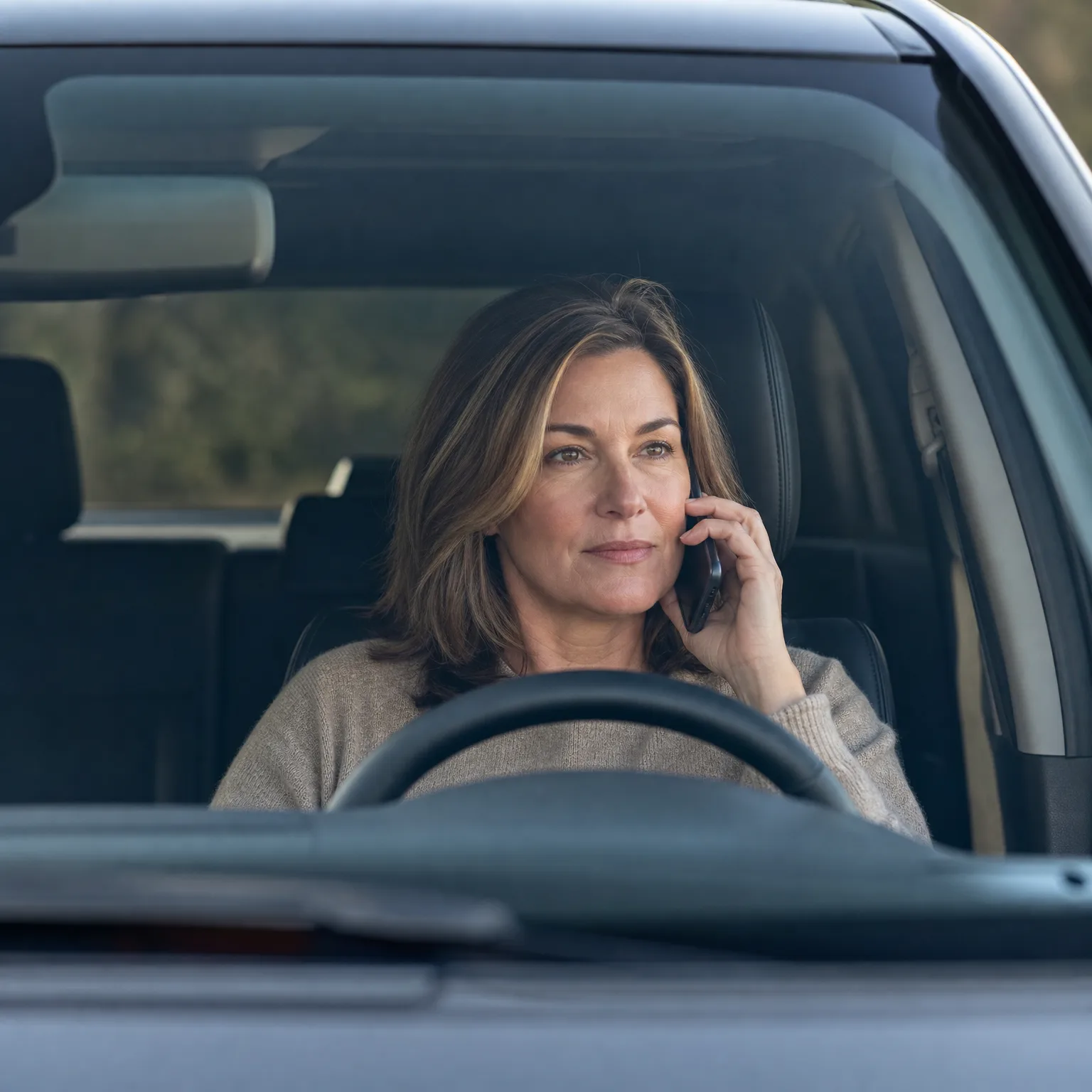
Driving without valid SR-22 filing on record with the DMV is treated as driving on a suspended license in California, even if you have an active insurance policy. If your carrier cancels your policy or you switch carriers without ensuring the new carrier files SR-22 before the old policy ends, the DMV receives an electronic notice of lapse and suspends your license within 15 days.
A second suspension triggered by an SR-22 lapse restarts your three-year filing requirement from zero. You also face additional penalties: a $250 reinstatement fee, potential impoundment of your vehicle if stopped, and a second violation on your record that extends your time in the non-standard insurance market by another three years minimum.
Courts and the DMV do not waive SR-22 filing requirements after an uninsured driving conviction. The only way to satisfy the requirement is continuous proof of coverage for the full three-year period.
What To Do Right Now
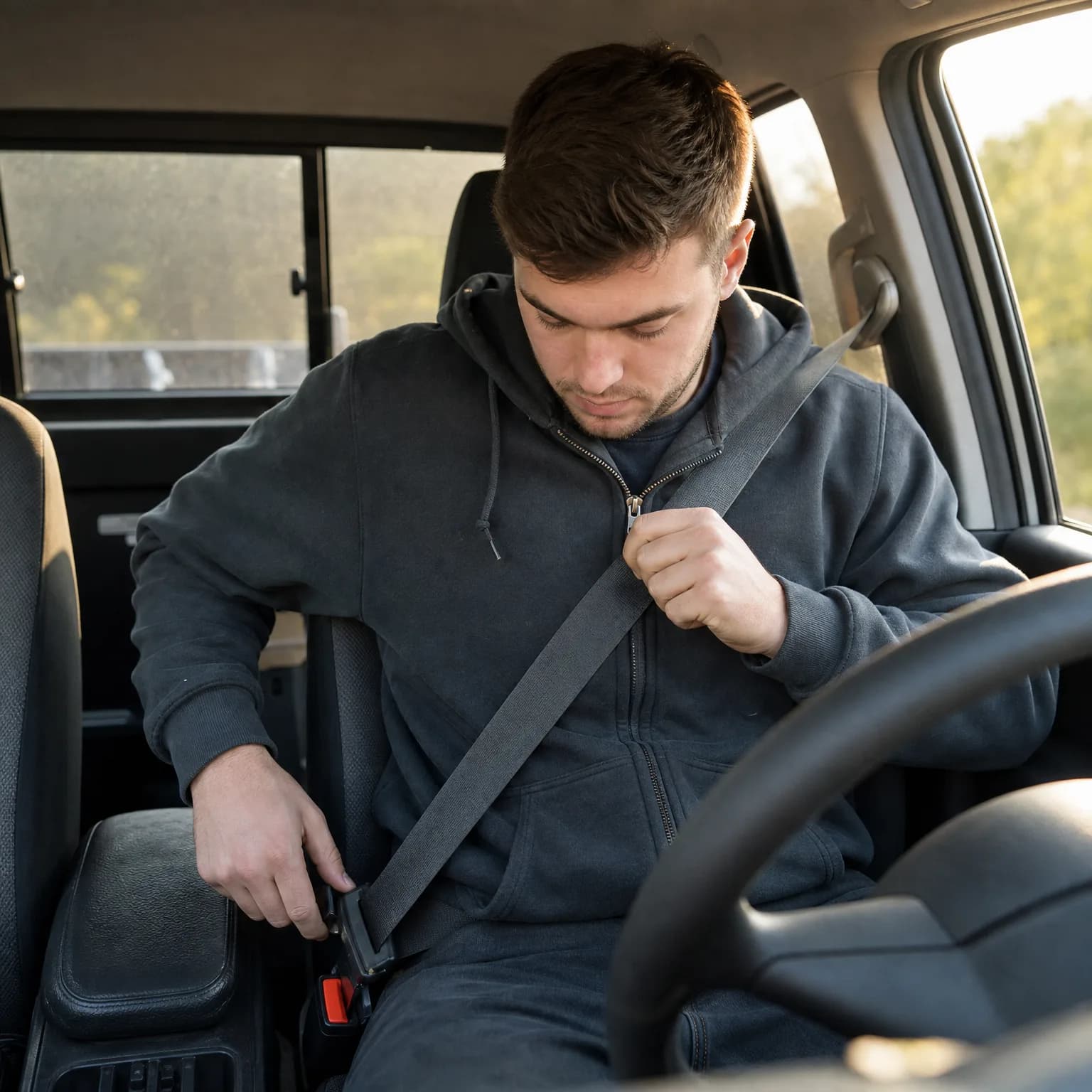
Step 1: Call your current carrier today. Ask if they will file SR-22 on your existing policy. If they say no or that they are non-renewing you, ask for the exact non-renewal date. That date is your hard deadline. Most carriers provide 30 to 45 days' notice.
Step 2: Get quotes from non-standard carriers within 7 days. Contact at least three carriers that specialize in SR-22 filing: Progressive, The General, Dairyland, or a local independent agent who writes non-standard auto. Tell them you need SR-22 filing for an uninsured driving conviction in California and your current policy non-renewal date. They will quote you and confirm they can file SR-22 electronically with the DMV before your current coverage ends.
Step 3: Bind new coverage at least 3 days before your current policy ends. Do not wait until the non-renewal date. Bind the new policy, confirm the carrier has filed SR-22 with the DMV (ask for the filing confirmation number), and only then cancel your old policy if it has not already ended. A gap of even one day triggers suspension and restarts your three-year clock.
Step 4: Confirm DMV receipt of SR-22 within 10 days of binding coverage. Call the California DMV at 1-800-777-0133 or check your online DMV record. Verify that SR-22 filing is shown as active. If it does not appear within 10 days, contact your carrier immediately. Carrier filing errors happen, and you are responsible for ensuring the DMV has proof on file.
Frequently Asked Questions
Can I get SR-22 insurance if I don't own a car?
Yes. California allows non-owner SR-22 policies, which provide liability coverage when you drive a car you do not own. Non-owner policies cost less than standard policies—typically $25 to $50 per month—and satisfy the state's SR-22 filing requirement. You still need continuous coverage for three years.
Will my insurance company tell the DMV if I cancel my policy?
Yes. California law requires insurers to notify the DMV electronically within 15 days of any cancellation, lapse, or non-renewal on a policy with SR-22 filing. The DMV then suspends your license immediately. You cannot cancel an SR-22 policy without replacement coverage already filed.
How much does SR-22 filing cost in California?
The SR-22 filing fee itself is $15 to $25, paid to your insurance carrier. This is separate from your premium. The premium increase after an uninsured driving conviction typically ranges from 50% to 90%, depending on your location, age, and prior driving history.
Can I switch insurance companies during my SR-22 filing period?
Yes, but the new carrier must file SR-22 with the DMV before your old policy ends. If there is any gap between the old policy ending and the new SR-22 filing, the DMV suspends your license and restarts your three-year requirement. Coordinate the switch carefully to avoid overlap.
Related Articles

Car Insurance After CA License Suspension + SR-22
5/17/2026

Car Insurance After First DUI in California: Costs & SR-22
5/17/2026
Car Insurance After Second DUI in California
5/17/2026
What Happens to Insurance After You Need SR-22
5/17/2026
Find SR-22 Carriers Same Day: State Filing Guide
5/17/2026
Car Insurance After Uninsured Driving in Arizona
5/17/2026