
Cheapest Non-Owner SR-22: How to File Without Owning a Car
Find Coverage for My SituationWhat Happens When You Need SR-22 But Don't Own a Car
If you received a DUI or major violation and your license was suspended, your state likely requires SR-22 filing to reinstate your driving privileges. SR-22 is a certificate your insurance company files with the DMV proving you carry liability coverage. Most states require it for 3 years after a conviction, some require 5.
If you don't own a car right now, you face a problem: you can't reinstate your license without SR-22, but standard auto insurance requires listing a vehicle you own or regularly drive. This creates a compliance gap that keeps your license suspended indefinitely.
Non-owner SR-22 insurance solves this. It provides the state-required liability coverage and SR-22 filing without insuring a specific vehicle. You're covered when you borrow a car, rent a car, or drive occasionally. The policy exists solely to satisfy the filing requirement and keep your license valid.

How Non-Owner SR-22 Policies Work
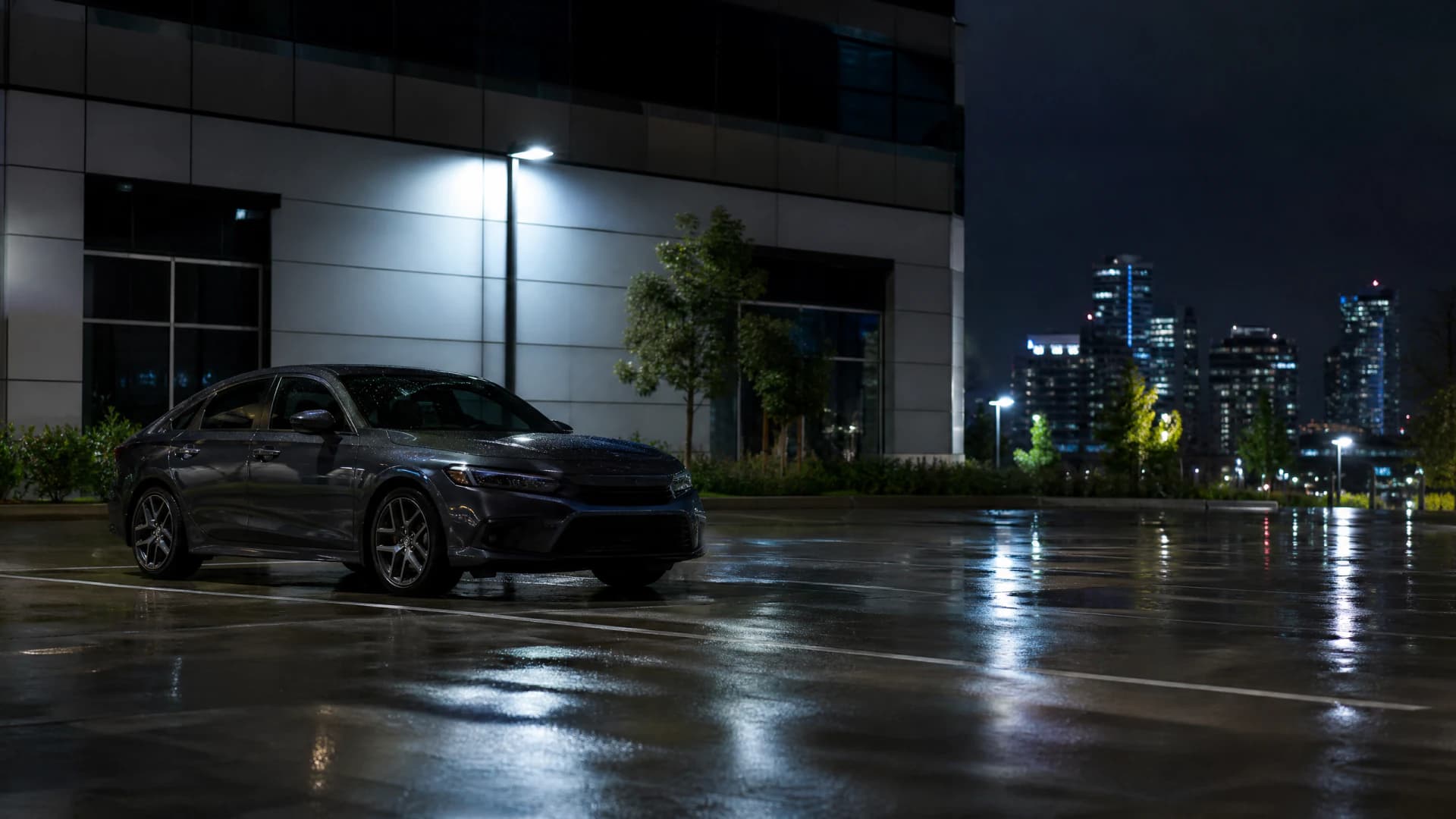
A non-owner SR-22 policy is liability-only coverage that follows you as a driver, not a specific vehicle. It covers bodily injury and property damage you cause while driving someone else's car. It does not cover damage to the vehicle you're driving or your own injuries.
The carrier files the SR-22 certificate with your state DMV when you purchase the policy. Most states require 30/60/25 minimum liability limits, but some require higher amounts. The filing fee is typically $15–$50, paid once upfront or added to your first premium.
If you cancel the policy or miss a payment, the carrier notifies the DMV within 24 hours in most states. Your license is automatically re-suspended. The SR-22 filing must remain active and uninterrupted for the full required period, whether that's 2 years, 3 years, or 5 years depending on your state and violation type.
What Non-Owner SR-22 Costs Compared to Standard SR-22
Non-owner SR-22 policies cost $15–$40 per month for minimum liability limits in most states. Standard SR-22 auto insurance for high-risk drivers with a vehicle averages $150–$300 per month. The difference is vehicle risk: non-owner policies only cover liability when you drive occasionally, not comprehensive and collision coverage on a car you own.
The filing fee itself is the same regardless of policy type: $15–$50 depending on the carrier and state. That fee is separate from the monthly premium and covers the administrative cost of filing the certificate with the DMV.
Rates vary by state, your violation type, and your driving history. A first-time DUI typically results in lower non-owner SR-22 rates than multiple violations or a suspended license for repeated offenses. Estimates based on available industry data; individual rates vary by driving history and location.

Get Back to a Fair Rate After a Violation
Find Coverage for My SituationWhich Carriers Offer Non-Owner SR-22 Policies
Not all insurance companies offer non-owner SR-22 coverage. Standard carriers like State Farm, Allstate, and GEICO rarely write these policies because the premiums are too low. You need a carrier that specializes in high-risk drivers and non-standard products.
Carriers that consistently offer non-owner SR-22 policies include Progressive, Dairyland, The General, Bristol West, National General, and SafeAuto. Availability varies by state. Some carriers offer non-owner policies in 45+ states; others operate regionally.
You cannot purchase non-owner SR-22 coverage online through most aggregators. The policy requires manual underwriting because you're declaring you don't own a vehicle but need SR-22 filing. Most purchases happen by phone with a licensed agent who confirms your eligibility and files the SR-22 directly with your state.

When Non-Owner SR-22 Is Not the Right Option
Non-owner SR-22 only works if you genuinely don't own a vehicle and don't have regular access to one. If you own a car titled in your name, even if it's not currently registered or insured, most states require standard SR-22 auto insurance, not a non-owner policy.
If you live with someone who owns a car and you're listed as a household member, some carriers require you to be added to their policy instead of purchasing a separate non-owner policy. This prevents coverage gaps if you drive their vehicle regularly.
If you plan to purchase a car within the next 3–6 months, buying non-owner SR-22 now and switching to standard SR-22 auto insurance later creates a transition risk. Missing even one day of SR-22 filing during the switch can re-suspend your license. In that case, it's often safer to buy standard SR-22 coverage immediately and avoid the policy transition entirely.
What to Do Right Now
1. Confirm your state's SR-22 filing deadline. Most states give you 10–30 days from your conviction or suspension notice to file SR-22. Missing this deadline extends your suspension period and may trigger additional penalties. Check your DMV notice or court order for the exact date.
2. Contact a non-standard carrier that offers non-owner SR-22 in your state. Call Progressive, Dairyland, The General, or a local high-risk insurance broker. Confirm they can file SR-22 with your state DMV and provide proof of filing within 24–48 hours. Do not wait for online quotes; non-owner SR-22 requires phone underwriting in most cases.
3. Purchase the policy and confirm SR-22 filing. Pay your first month's premium and filing fee. Ask the carrier for a copy of the filed SR-22 certificate. Most carriers send a copy to you and file electronically with the DMV the same day. Keep this document; you'll need it for license reinstatement.
4. Set up automatic payments and never miss one. A single missed payment triggers automatic SR-22 cancellation and re-suspends your license in most states. Set up autopay from a checking account, not a credit card that might expire or decline. One missed payment restarts your entire SR-22 filing period in some states.
5. Mark your SR-22 end date and confirm termination only after it passes. If your state requires 3 years of SR-22 filing and you cancel after 2 years and 11 months, the clock resets. Do not cancel early. Wait until the full period is complete, then contact your carrier and DMV to confirm the requirement is satisfied before terminating coverage.
Frequently Asked Questions
Can I get SR-22 without owning a car?
Yes. Non-owner SR-22 policies provide liability coverage and SR-22 filing for drivers who don't own a vehicle. These policies cost $15–$40 per month and satisfy state filing requirements without insuring a specific car.
How long does non-owner SR-22 filing last?
Most states require SR-22 filing for 3 years after a DUI or major violation. Some states require 2 years, others require 5. The filing must remain continuous without gaps or your license is re-suspended and the clock resets.
What happens if I buy a car while I have non-owner SR-22?
You must switch to standard SR-22 auto insurance immediately. Non-owner policies don't cover vehicles you own. Notify your carrier the day you purchase the car to avoid a coverage gap that triggers SR-22 cancellation and license re-suspension.
Does non-owner SR-22 cover me if I rent a car?
Yes. Non-owner SR-22 provides liability coverage when you drive a rental car, borrowed car, or any vehicle you don't own. It does not cover damage to the rental vehicle itself; you'll need the rental company's collision damage waiver for that.
Can I cancel non-owner SR-22 after my license is reinstated?
No. Your license reinstatement is the beginning of your SR-22 filing period, not the end. If your state requires 3 years of SR-22 filing, you must maintain coverage for 3 full years after reinstatement. Canceling early re-suspends your license.
Related Articles

How to Handle SR-22 When You Sell Your Only Vehicle
5/17/2026

No-Down-Payment SR-22 Insurance: Which Carriers Offer It
5/17/2026

Cheapest Insurance After License Suspension by State
5/17/2026

Same-Day Non-Owner SR-22: Carriers and States
5/17/2026

Find SR-22 Carriers Same Day: State Filing Guide
5/17/2026
Monthly SR-22 Insurance: Which Carriers Allow It
5/17/2026