Do I Need SR-22 After a DUI in California?
Find Coverage for My SituationWhat Happens to Your Insurance After a California DUI
A DUI conviction in California sets off two separate insurance consequences that happen on different timelines. First, your current insurer will typically learn about the conviction within 30 to 90 days through your Motor Vehicle Report update. Most standard carriers — State Farm, Allstate, GEICO — will non-renew your policy at the next renewal date rather than canceling it immediately. This gives you a window, usually between three and six months depending on when your renewal falls, to find new coverage before a gap appears on your record.
Second, the California DMV suspends your license for a minimum of six months on a first-offense DUI. Before you can reinstate your driving privileges, the DMV requires you to file an SR-22 certificate proving you carry liability insurance at California's minimum limits. SR-22 is not a type of insurance — it is a certificate your insurer files with the state, proving you carry the required minimum coverage. Not all insurance companies offer SR-22 filing; you will likely need a carrier that specializes in high-risk drivers.
Your rate will increase regardless of whether you need SR-22. California drivers with a DUI conviction see average rate increases between 70% and 130%, depending on age, prior record, and the carrier. A driver paying $1,800 annually before a DUI might see premiums rise to $3,100 to $4,100 after conviction. These increases apply whether you stay with your current carrier or move to a non-standard insurer.
California's SR-22 Requirement: When It Starts and How Long It Lasts
California requires SR-22 filing for three years from the date of your license reinstatement — not from your conviction date. This distinction matters because your suspension period happens first. On a first-offense DUI, your license is suspended for at least six months. You cannot file SR-22 until you're ready to reinstate, which means the three-year SR-22 clock doesn't start until after you've completed your suspension and paid reinstatement fees.
The filing itself costs between $15 and $50, paid to your insurance carrier as a processing fee. This is separate from your premium increase. Your insurer files the SR-22 form electronically with the California DMV, and the state monitors your coverage continuously during the three-year period. If your policy lapses for any reason — missed payment, cancellation, non-renewal — your insurer is required to notify the DMV immediately, which triggers an automatic license suspension.
California does not allow you to drive without SR-22 on file during this three-year period, even if you don't own a vehicle. If you sell your car or stop driving, you must maintain a non-owner SR-22 policy to keep your license valid. A coverage gap of even one day resets the three-year clock and adds a new suspension to your record.

Finding Non-Standard Auto Insurance with SR-22 Filing in California
Most standard insurance carriers in California either decline to offer SR-22 filing or price DUI drivers out of the market entirely. Non-standard auto insurance refers to coverage offered by carriers that specifically work with high-risk drivers — those with DUIs, violations, lapses, or suspensions on their record. The coverage itself is identical to standard insurance; what differs is the carrier's willingness to write drivers who have been declined or overpriced elsewhere.
Carriers that regularly offer SR-22 filing in California include Progressive, Dairyland, The General, Bristol West, National General, Acceptance Insurance, and SafeAuto. Rates vary significantly between non-standard carriers — sometimes by 40% or more for the same driver profile — because each insurer weighs DUI convictions differently in their underwriting models. A driver quoted $4,200 annually by one non-standard carrier might receive a $2,900 quote from another for identical coverage.
You should start comparing non-standard quotes as soon as your conviction is finalized, even if your license suspension hasn't ended yet. Many drivers wait until their reinstatement date approaches and then discover that binding a new policy, completing SR-22 filing, and coordinating DMV processing takes two to three weeks. Starting early removes time pressure and gives you room to compare multiple carriers rather than accepting the first quote you receive.
Get Back to a Fair Rate After a Violation
Find Coverage for My SituationWhat This Costs Over the Full Three-Year Period
The total cost of maintaining SR-22 insurance in California includes three components: the SR-22 filing fee, your increased premium, and any reinstatement fees required by the DMV. The filing fee is typically a one-time charge between $15 and $50, though some carriers charge it annually. California's license reinstatement fee is $125 for a first-offense DUI, paid directly to the DMV when you reinstate your driving privileges.
Your premium increase is the largest expense. Over a three-year SR-22 period, a driver who previously paid $1,800 annually and now pays $3,600 after a DUI will spend an additional $5,400 compared to their pre-conviction rate. This figure assumes rates remain stable; in practice, many non-standard carriers reduce rates slightly after the first year if you maintain a clean record during the SR-22 period.
After three years, once your SR-22 requirement ends, your rates won't immediately return to pre-DUI levels. The conviction remains on your Motor Vehicle Report for 10 years in California, and most insurers surcharge for DUIs for at least five to seven years. However, your rate does decline gradually as time passes, particularly if you avoid any additional violations during the SR-22 period. Drivers who complete SR-22 without incident typically see rates drop 20% to 30% in the first two years after the requirement ends.
What to Do Right Now
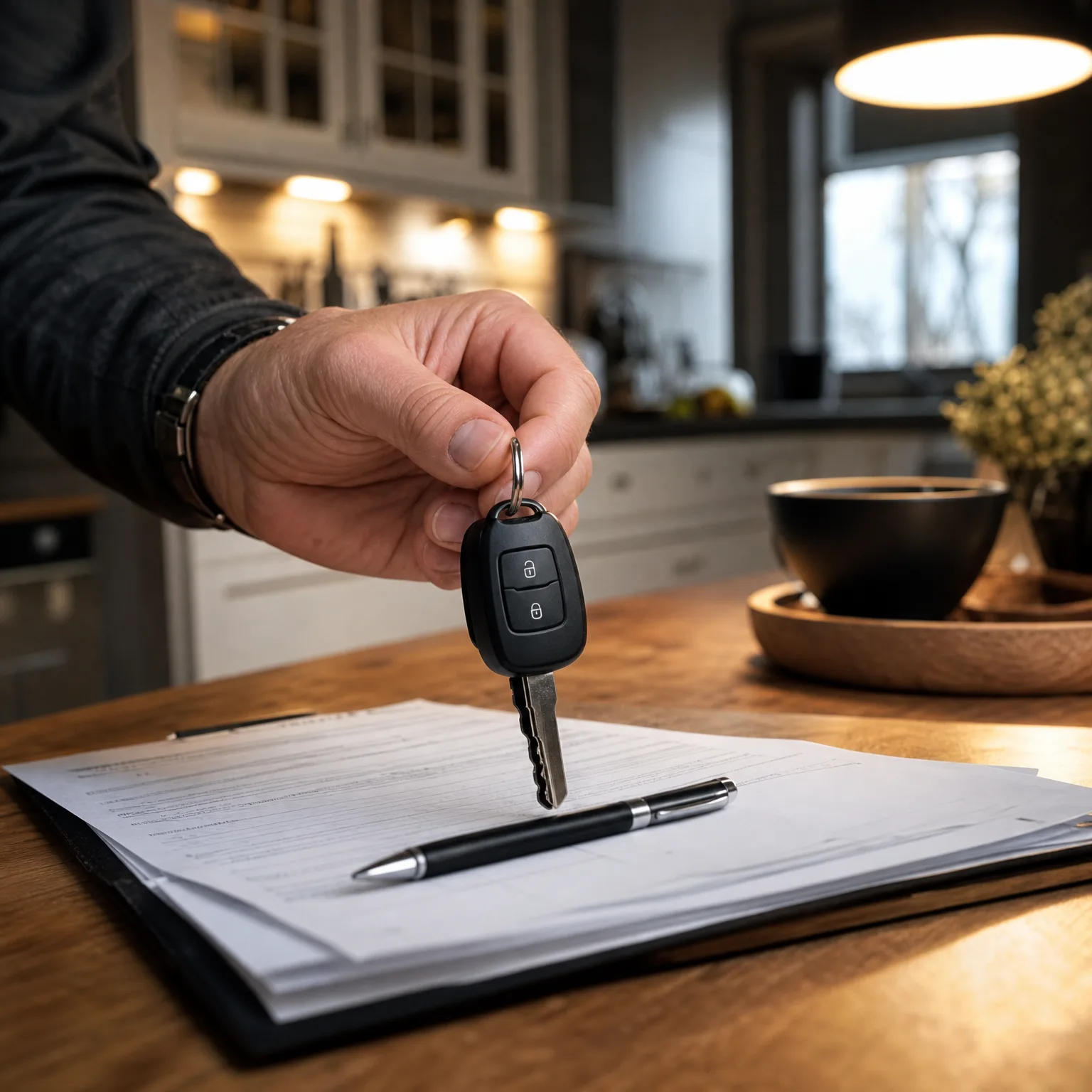
1. Confirm your SR-22 requirement and reinstatement timeline with the California DMV. Contact the DMV or check your suspension notice to verify the exact reinstatement date and whether SR-22 is required. Some DUI cases involve additional administrative penalties that affect timing. Do this within 10 days of your conviction to avoid missing deadlines. If you wait until your reinstatement date, you lose the preparation window.
2. Request quotes from at least three non-standard carriers that offer SR-22 filing in California. Compare Progressive, Dairyland, The General, Bristol West, and other non-standard insurers. Provide identical coverage limits to each carrier so quotes are directly comparable. Do this at least 30 days before your license reinstatement date. If you wait until the week before reinstatement, you risk accepting an inflated quote because you're out of time to shop.
3. Bind your new policy and request SR-22 filing at least two weeks before your reinstatement date. Once you've selected a carrier, bind the policy and explicitly request SR-22 filing. Confirm the carrier has submitted the SR-22 to the DMV electronically and request a copy of the filing confirmation. Processing typically takes three to five business days, but delays happen. If SR-22 isn't on file when you attempt to reinstate, the DMV will reject your reinstatement application.
4. Pay your reinstatement fee and verify your license status with the DMV. After SR-22 is filed and your suspension period has ended, pay the $125 reinstatement fee to the California DMV. Verify your license shows as valid in the DMV system before driving. If you drive before reinstatement is complete, you're driving on a suspended license, which adds a separate criminal charge and extends your SR-22 requirement.
5. Set up automatic payments and monitor your policy continuously for three years. A single missed payment triggers an automatic DMV notification, which suspends your license and resets your SR-22 clock. Enable automatic payments and verify monthly that your policy remains active. If you switch carriers during the SR-22 period, your new carrier must file SR-22 before your old policy cancels, or a gap appears on your record.
Frequently Asked Questions
Can I get SR-22 insurance if I don't own a car in California?
Yes. California allows non-owner SR-22 policies, which provide liability coverage when you drive a vehicle you don't own. You must maintain this coverage continuously for the full three-year SR-22 period even if you don't plan to drive, or your license will be suspended.
What happens if I move out of California during my SR-22 period?
You must continue to maintain SR-22 coverage for the full three years even if you move to another state, because California's requirement follows your driving record. Contact your insurer to transfer your SR-22 filing to your new state, and verify the new state accepts California SR-22 transfers before canceling your California policy.
Does SR-22 cover the same things as regular car insurance?
SR-22 is not insurance — it's a certificate filed by your insurer proving you carry liability coverage. The actual insurance policy with SR-22 filing provides the same coverage types as any other auto policy: liability, collision, comprehensive, and optional coverages. What changes is the carrier willing to write the policy and the premium you pay.
How soon after my DUI conviction will my insurance company find out?
Most insurers check Motor Vehicle Reports at policy renewal, which means they typically discover a DUI conviction within 30 to 90 days. Some carriers run MVRs more frequently. Once they learn about the conviction, standard carriers usually non-renew your policy at the next renewal date rather than canceling immediately.
Can I remove SR-22 before three years if I haven't had any violations?
No. California's SR-22 requirement is a fixed three-year period from your license reinstatement date, regardless of your driving record during that time. The DMV does not offer early removal. If you request cancellation before three years, your license is automatically suspended and the clock resets.
Related Articles
Car Insurance After License Suspension in Ohio
5/17/2026
Careless Driving Plea Reduction Options by State
5/17/2026
Radar Speeding Ticket: Insurance Reporting Timeline
5/17/2026
Car Insurance After First OWI in Wisconsin: Rates & SR-22
5/17/2026
MO Reckless Driving: Insurance Rate Increase Guide
5/17/2026

Car Insurance After Reckless Driving in Massachusetts
5/17/2026