
Does the Type of Car You Drive Affect Insurance After a DUI?
Find Coverage for My SituationHow a DUI Changes What Insurers See When They Price Your Vehicle
A DUI conviction immediately reclassifies you as a high-risk driver in the eyes of your insurance carrier. In most states, your current insurer will either non-renew your policy at the next renewal date or increase your rate by 70–130% depending on your state, age, and prior record. This rate increase applies to your entire policy — which means the cost of insuring your specific vehicle becomes part of a much larger calculation.
Before the DUI, your insurance premium reflected two primary factors: your risk profile as a driver and the cost to repair or replace your vehicle. After the DUI, you will likely need non-standard auto insurance — coverage offered by carriers that specifically work with high-risk drivers such as those with DUIs, violations, lapses, or suspensions on their record. The coverage itself is identical to standard insurance; what differs is the carrier's willingness to write drivers who have been declined or overpriced elsewhere.
Non-standard carriers price the same two factors — driver risk and vehicle cost — but the weight of each changes. A high-value vehicle that was affordable to insure with a clean record becomes significantly more expensive when combined with a DUI, because the carrier now sees both elevated accident risk and elevated replacement cost. This is where vehicle type becomes a lever you can control during a period when most cost factors are locked in by state requirements and your violation history.

Which Vehicle Types Cost the Most to Insure After a DUI
The highest post-DUI insurance costs typically fall on three vehicle categories: luxury sedans, high-performance sports cars, and full-size trucks or SUVs with advanced safety and entertainment systems. A driver insuring a BMW 5 Series or an Audi A6 after a DUI can expect to pay 90–140% more than they would for the same violation in a Honda Civic or Toyota Camry, because the repair costs and replacement values differ by tens of thousands of dollars.
Sports cars and performance vehicles carry additional risk multipliers. A Chevrolet Corvette, Ford Mustang GT, or Dodge Charger signals both high speed capability and statistically higher claim frequency among high-risk drivers. Non-standard carriers adjust premiums accordingly — often adding 20–40% on top of the base DUI rate increase for vehicles in this category.
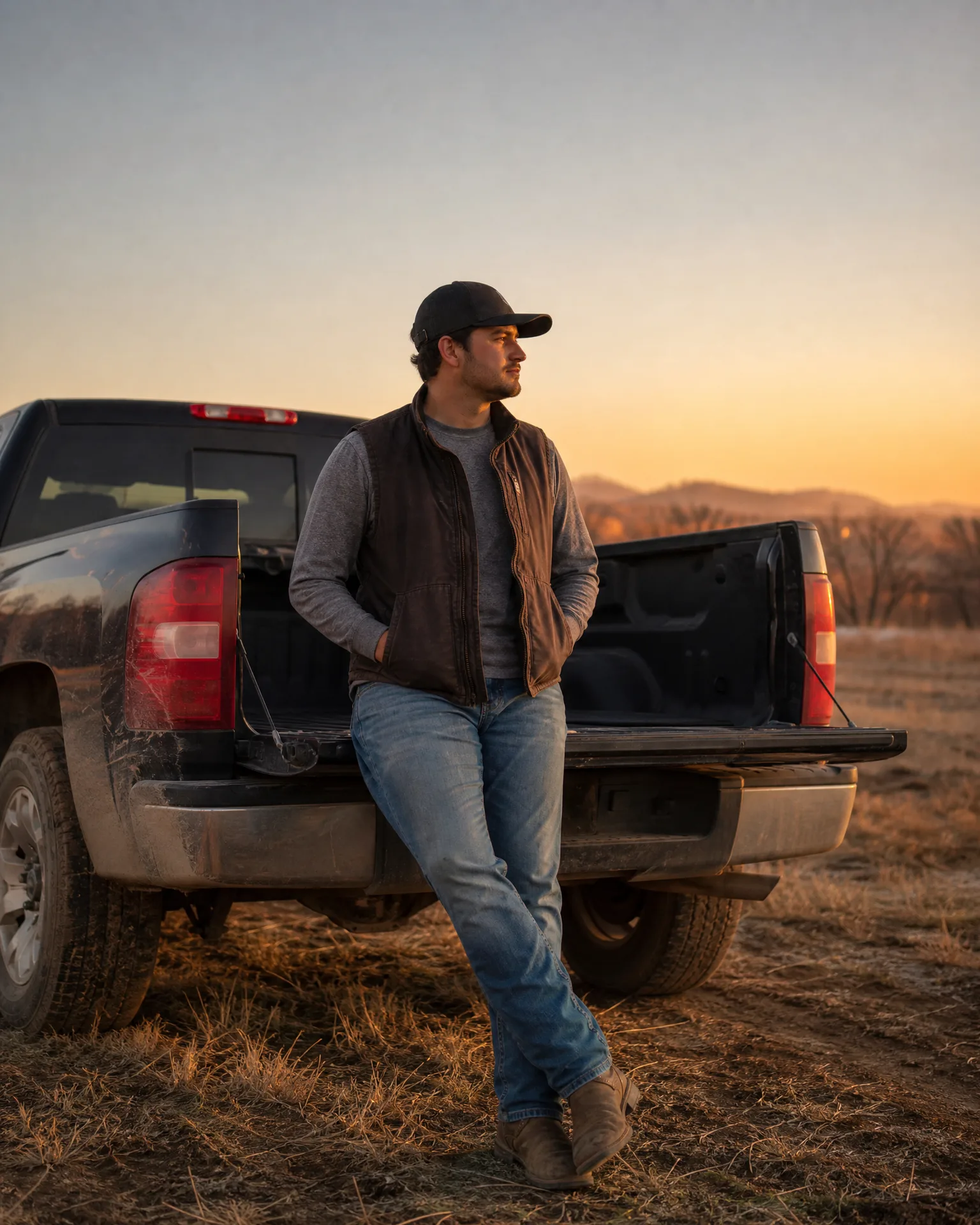
Full-size trucks and SUVs sit in the middle. A Ford F-150 or Chevrolet Tahoe will cost more to insure after a DUI than a compact sedan, but less than a luxury or performance vehicle of equivalent value. The difference comes down to repair costs, theft rates, and the statistical claim patterns non-standard carriers use to price their books of business. Older trucks with minimal technology packages perform better in this calculation than newer models loaded with sensors, cameras, and premium audio systems.
The least expensive vehicles to insure after a DUI are older economy sedans and compact cars with minimal coverage requirements. A 2012 Honda Accord, 2014 Toyota Corolla, or 2010 Ford Fusion will consistently produce the lowest premiums in the non-standard market, particularly if you carry only the state-required liability minimums rather than comprehensive and collision coverage.


How State Requirements and SR-22 Filing Interact with Vehicle Choice
Most states require drivers convicted of a DUI to file an SR-22 before their license can be reinstated. SR-22 is not a type of insurance — it is a certificate your insurer files with the state, proving you carry the required minimum coverage. Not all insurance companies offer SR-22 filing; you will likely need a carrier that specializes in high-risk drivers.
The SR-22 filing itself adds a fee of typically $15–$50 to your premium, paid to the carrier for filing the form with your state's Department of Motor Vehicles. This fee is the same regardless of what vehicle you drive. What changes based on your vehicle is the underlying insurance premium that the SR-22 certificate proves you are carrying.
In Florida and Virginia, the requirement is stricter. These states mandate FR-44 — Florida's and Virginia's version of the SR-22 requirement, a state-mandated certificate filed after a DUI but with higher minimum liability limits. In Florida, FR-44 requires 100/300/50 coverage; in Virginia, 50/100/40. Because FR-44 requires higher liability limits than most other states, the base cost of coverage is higher before vehicle type enters the equation. A driver in Florida insuring a high-value vehicle under FR-44 will see compounding cost increases: elevated liability minimums, the DUI surcharge, and the higher collision and comprehensive premiums tied to the vehicle's replacement value.
Your vehicle choice does not change whether you need SR-22 or FR-44 — that is determined by your state and your violation. But it does determine how much the required coverage will cost you during the 2–5 year period most states require you to maintain the filing. Driving a less expensive vehicle during this compliance period can reduce your annual premium by $800–$2,400 compared to insuring a luxury or performance vehicle with the same violation on your record.
Get Back to a Fair Rate After a Violation
Find Coverage for My SituationWhen Switching Vehicles Makes Sense and When It Doesn't
If you own your vehicle outright and your post-DUI insurance quote is unaffordable, switching to a lower-value car can immediately reduce your premium. Selling a 2020 Audi Q5 and purchasing a 2015 Honda CR-V will cut both your collision and comprehensive premiums, because the replacement cost drops from approximately $45,000 to $18,000. Non-standard carriers price this difference directly into your monthly bill.
If you are still making payments on your vehicle, the decision is more constrained. Your lender will require you to carry comprehensive and collision coverage until the loan is paid off, which means you cannot drop to liability-only coverage to save money. You can, however, raise your deductibles from $500 to $1,000 or $1,500, which will lower your premium by 15–25% without violating your loan agreement. Some drivers in this situation choose to pay off the loan early or trade down to a less expensive financed vehicle to regain control over their coverage choices.
If you lease your vehicle, you are locked into the terms of your lease agreement and cannot downgrade until the lease ends. In this case, your only cost reduction options are shopping multiple non-standard carriers for the best rate, raising deductibles where the lease allows, and ensuring you are not carrying duplicate coverage such as roadside assistance if your lease already includes it.
Vehicle switching does not make sense if the cost of selling, purchasing, and re-registering a different car exceeds the insurance savings you will gain during your SR-22 filing period. Calculate the total insurance cost difference over the full compliance period — typically 3 years — and compare it to the transaction costs of changing vehicles. If the savings are less than $1,500 over three years, the administrative burden usually outweighs the benefit.

Which Non-Standard Carriers Offer the Best Rates by Vehicle Type
Non-standard carriers price vehicle risk differently, and some specialize in specific vehicle categories. Progressive is one of the largest writers of high-risk auto insurance and generally offers competitive rates across all vehicle types, but performs particularly well for drivers with newer sedans and crossovers. Dairyland and The General tend to offer lower premiums for older economy vehicles and drivers carrying state-minimum liability coverage.
For drivers insuring trucks or SUVs after a DUI, National General and Bristol West frequently produce the lowest quotes, particularly in states where agricultural and work-use vehicles are common. SafeAuto and Acceptance Insurance focus on state-minimum policies and are worth quoting if you own your vehicle outright and plan to drop comprehensive and collision coverage to reduce costs.
Rate variation between carriers for the same driver and vehicle can reach 40–70% in the non-standard market. A driver in Texas insuring a 2018 Ford F-150 after a DUI might receive a quote of $3,200 per year from one carrier and $1,850 from another for identical coverage. This variation is why comparing at least three non-standard carriers is essential — the savings from shopping around often exceed the savings from switching to a cheaper vehicle.
Your credit score, age, and ZIP code also influence which carrier will offer you the best rate for your specific vehicle. Drivers under 25 insuring sports cars will see the steepest surcharges across all carriers, while drivers over 35 with a single DUI and no other violations may find that mid-tier carriers such as Bristol West or National General treat their vehicle type more favorably than the budget-focused options.

What to Do Right Now
Step 1: Get quotes from at least three non-standard carriers within 14 days of your conviction or license suspension notice. Your current insurer will likely non-renew you at your next renewal date, which gives you a limited window to secure coverage before a gap appears on your record. A coverage gap — even a single day — will increase your rates further and can extend your SR-22 filing period in some states. Request quotes for your current vehicle first to establish a baseline cost.
Step 2: Request a second round of quotes for a lower-value vehicle in the same category. If you currently drive a 2019 Honda Accord, ask for a quote on a 2014 Honda Accord. If you drive a 2021 Chevrolet Silverado, ask for a quote on a 2016 Silverado. This gives you a direct cost comparison for the same coverage and the same carrier, isolating the vehicle variable. If the annual savings exceed $600 and you own your current vehicle outright, a vehicle switch becomes financially viable.
Step 3: Confirm SR-22 or FR-44 filing capability with each carrier before binding coverage. Not all non-standard carriers are licensed to file SR-22 in every state, and some do not offer FR-44 filing at all. Ask explicitly: "Can you file the SR-22 [or FR-44] certificate with [your state] DMV on my behalf, and what is the filing fee?" If the carrier cannot file, the policy is useless for compliance purposes no matter how low the premium.
Step 4: Bind coverage and request immediate SR-22 filing at least 10 days before your required compliance date. Most states require the SR-22 to be on file before they will reinstate your license or lift your suspension. The filing process typically takes 3–7 business days. If you wait until the day before your reinstatement hearing or compliance deadline, the filing will not reach the state in time, and you will miss your reinstatement window. Failure to file on time can result in extended suspension periods and additional fees.
Step 5: Maintain continuous coverage without lapses for the entire SR-22 filing period. If your policy cancels for non-payment or you allow coverage to lapse, your insurer is required to notify the state, which will immediately suspend your license again. Your SR-22 filing period will restart from zero in most states, adding years to your compliance timeline. Set up automatic payments and calendar reminders for renewal dates to prevent accidental lapses.
Frequently Asked Questions
Will my insurance company drop me immediately after a DUI?
Most insurers will not cancel your policy mid-term after a DUI conviction, but they will non-renew you when your current policy period ends — typically within 6–12 months. You will receive a non-renewal notice 30–60 days before your policy expires, which gives you a specific window to find non-standard coverage before a gap appears on your record.
Can I keep full coverage on my car after a DUI if I can afford it?
Yes, if you own your vehicle outright you can choose to maintain comprehensive and collision coverage, though the cost will be significantly higher than liability-only coverage. If you are financing or leasing your vehicle, your lender will require you to carry full coverage until the loan is paid off.
How long will my car insurance stay high after a DUI?
A DUI conviction typically remains on your driving record and affects your insurance rates for 3–10 years depending on your state. Most states require SR-22 filing for 2–3 years after reinstatement, and your rates will begin to decrease gradually once the SR-22 period ends and the violation ages off your record.
Do I need to tell my insurance company about a DUI conviction?
You are not required to call your insurer immediately, but they will discover the conviction when they run your motor vehicle record at your next renewal. Most state DMVs automatically report DUI convictions to insurers, so attempting to hide the violation will not prevent the rate increase and may result in policy cancellation for misrepresentation.
Can I get insurance with just liability coverage after a DUI?
Yes, if you own your vehicle outright and your state does not require SR-22 filing with higher liability limits, you can drop to state-minimum liability coverage to reduce your premium. However, if you are required to file SR-22 or FR-44, you must meet the minimum liability limits specified by your state — which are often higher than the standard state minimums.
Related Articles
Car Insurance After License Suspension in Ohio
5/17/2026

Careless Driving Plea Reduction Options by State
5/17/2026

Radar Speeding Ticket: Insurance Reporting Timeline
5/17/2026

Car Insurance After First OWI in Wisconsin: Rates & SR-22
5/17/2026
MO Reckless Driving: Insurance Rate Increase Guide
5/17/2026
Car Insurance After Reckless Driving in Massachusetts
5/17/2026