
DUI on Military Base: Insurance Reporting and Rate Impact
Find Coverage for My SituationDoes a DUI on a Military Base Get Reported to State DMV?
A DUI conviction on a military installation is reported to your state of driver's license in most jurisdictions, though the timeline and mechanism differ from civilian DUI arrests. The military reports convictions to the National Driver Register, which most state DMVs query during license status reviews. The conviction appears on your driving record as if it occurred off-base.
Your state DMV treats a federal DUI conviction the same as a civilian DUI for administrative penalties. If your state requires license suspension after a first DUI, that suspension applies whether the arrest happened on a military base or civilian roadway. Administrative license suspension periods typically range from 90 days to one year depending on state law and BAC level at arrest.
Some states experience reporting delays of 30 to 90 days between military conviction and DMV posting. During this window, you may not see the violation on your driving record, but your carrier will learn about it through other channels at your next policy renewal.

How Does Your Insurance Company Learn About a Military Base DUI?
Your insurer discovers a military DUI through the same renewal underwriting process used for all policyholders — they pull your motor vehicle report from your state DMV before renewing your policy. Once the military conviction posts to your state driving record, it appears on the MVR report your carrier reviews every six or twelve months.
Most carriers do not learn about the DUI immediately after arrest. If your policy renews three months after conviction, the carrier pulls your MVR at that renewal and sees the posted violation. You receive a renewal notice with a significant rate increase or a non-renewal letter depending on carrier underwriting rules and your prior driving history.
Some carriers run MVR checks mid-term for policy changes or after accidents. If you file a claim, add a vehicle, or change coverage limits between renewals, the carrier may pull a fresh report and discover the violation earlier than your scheduled renewal date.


What Rate Increase Should You Expect After a Military DUI?
A DUI conviction typically raises your auto insurance premium by 70% to 130% at your next renewal, regardless of whether the arrest occurred on a military base or civilian roadway. A driver paying $120 per month before conviction can expect premiums between $200 and $275 per month after the DUI posts to their record.
Rate increases vary by state, carrier, age, and prior violations. California and Massachusetts regulate DUI surcharges more strictly than states with open rating rules. Young drivers under 25 face steeper increases than drivers over 30 with otherwise clean records. Drivers with prior at-fault accidents or speeding tickets often see non-renewal instead of a rate offer.
Most carriers apply DUI surcharges for three to five years from the conviction date. After this surcharge period, your rate drops if no additional violations appear. The conviction remains on your driving record longer — typically seven to ten years depending on state reporting rules — but carriers reduce the rating weight after the surcharge window closes.

Get Back to a Fair Rate After a Violation
Find Coverage for My SituationWill You Need SR-22 Filing After a Military Base DUI?
SR-22 filing requirements depend on your state's administrative penalty rules, not where the arrest occurred. If your state mandates SR-22 after a first DUI conviction, you must file regardless of federal or civilian jurisdiction. Most states require SR-22 for license reinstatement after a DUI suspension.
SR-22 is not insurance — it is a certificate your insurer files with the state proving you carry at least the minimum liability coverage required by law. Your carrier submits the certificate electronically to your state DMV and charges a filing fee, typically $15 to $50. Not all insurance companies offer SR-22 filing; standard carriers like GEICO and State Farm may decline to renew your policy if SR-22 is required.
If your state requires SR-22, you must maintain continuous coverage for the full filing period — usually three years from your conviction or reinstatement date. Any lapse in coverage during this period triggers an automatic license suspension in most states, and you must restart the SR-22 clock from the beginning.

What Happens If Your Current Carrier Non-Renews You?
Most standard carriers non-renew policies after a DUI conviction rather than offering a renewal at a higher rate. You receive a non-renewal notice 30 to 60 days before your policy expires, giving you a window to find coverage before a gap appears on your insurance record.
You will need to move to a non-standard auto insurance carrier that specializes in high-risk drivers. Non-standard coverage is identical to standard insurance in terms of what it pays for accidents and liability claims — the difference is the carrier's willingness to write drivers with DUIs, suspensions, or SR-22 filing requirements. Carriers like Progressive, Dairyland, The General, and Bristol West operate in this market.
Do not let your policy lapse while searching for a new carrier. A coverage gap after a DUI appears on your insurance history and makes every quote more expensive. Carriers view a lapse as proof of non-compliance, which compounds the DUI rating penalty. Secure new coverage before your current policy expires, even if the rate is higher than expected.
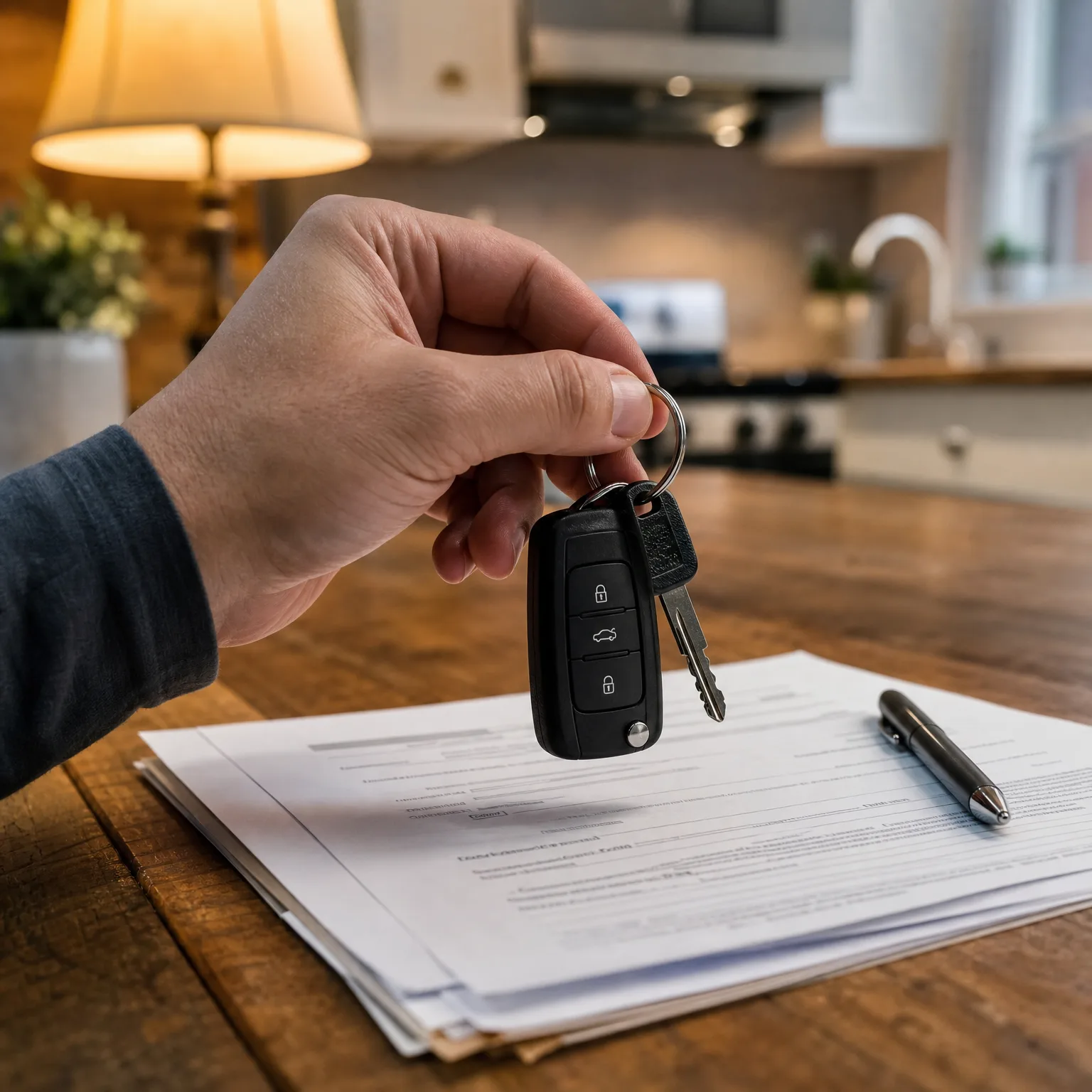
What to Do Right Now
1. Request your current driving record from your state DMV within 10 days of conviction. Check whether the military DUI has posted to your record. If it has not appeared yet, note your next policy renewal date — that is when your carrier will likely discover it through their MVR check.
2. Contact your current insurer before your next renewal to ask about their DUI underwriting policy. Some carriers non-renew immediately; others offer a renewal at a higher rate. Knowing their position gives you time to shop for non-standard coverage without a gap. If they will non-renew, you have until the renewal date to find replacement coverage.
3. Get quotes from at least three non-standard carriers within 30 days of learning about the DUI. Progressive, Dairyland, National General, and Acceptance Insurance all write policies for DUI drivers. Compare rates and confirm each carrier offers SR-22 filing if your state requires it. Prices vary by 40% or more between non-standard carriers for identical coverage.
4. Verify your state's SR-22 filing requirement and timeline before your license reinstatement date. If SR-22 is required, your new policy must include the filing before you can reinstate your license. Missing this deadline extends your suspension and may trigger additional fines or compliance requirements.
5. Maintain continuous coverage for at least three years after conviction without any lapses. Set up automatic payments and monitor your bank account to prevent non-sufficient-funds cancellations. A single day of lapse during the SR-22 period suspends your license again in most states and restarts the filing clock.
Frequently Asked Questions
Does UCMJ Article 111 DUI affect civilian insurance the same as state DUI?
A DUI conviction under UCMJ Article 111 affects your civilian insurance exactly the same as a state DUI conviction once it posts to your state driving record. Carriers do not distinguish between military and civilian jurisdictions when rating your policy — both trigger the same surcharge and underwriting penalties.
Can I keep my insurance if I get a DUI while stationed overseas?
A DUI on an overseas military installation is reported to your home state DMV through federal reporting channels, and your carrier will see it on your next MVR check at renewal. Most standard carriers will non-renew your policy once the conviction appears, requiring you to move to a non-standard carrier.
How long does a military base DUI stay on my driving record?
A DUI conviction on a military base remains on your state driving record for seven to ten years depending on your state's reporting rules. Carriers typically apply surcharges for three to five years, but the conviction itself stays visible to insurers and employers for the full reporting period.
Will my chain of command tell my insurance company about a DUI?
Your chain of command does not report directly to your insurance company. Carriers learn about the DUI when they pull your motor vehicle report from your state DMV at your policy renewal, after the military conviction posts to your civilian driving record through federal-state reporting systems.
Related Articles

Military Discount After a DUI or Violation
5/17/2026

USAA After DUI: Military Insurance Access Reality
5/17/2026

DUI During Deployment: SCRA Insurance Protection
5/17/2026

How Long Does a DUI Affect Your Car Insurance?
5/17/2026

DUI Arrest: Insurance Steps for the Next 48 Hours
5/17/2026

Same-Day Insurance After DUI: Fastest Path by State
5/17/2026