
How Much Does Car Insurance Go Up After a DUI in Illinois
Find Coverage for My SituationWhat Happens to Your Insurance After an Illinois DUI
A DUI conviction in Illinois sets off a specific sequence with your auto insurance carrier. Your insurer will learn about the conviction when they pull your motor vehicle record at your next renewal, typically within six months to a year. Most standard carriers — State Farm, Allstate, GEICO — will not cancel your policy mid-term, but they will send a non-renewal notice for your next policy period.
The Illinois Secretary of State will also suspend your driver's license, and before you can reinstate it, you'll need to provide proof of insurance through a state-mandated certificate called an SR-22. SR-22 is not a type of insurance — it is a certificate your insurer files with the state, proving you carry the required minimum coverage. Not all insurance companies offer SR-22 filing; you will likely need a carrier that specializes in high-risk drivers.
This means you're facing two problems simultaneously: your current carrier is exiting, and your next carrier must be willing to both insure a driver with a DUI and file SR-22 on your behalf. The gap between these two events is where most drivers make costly mistakes.

How Much Your Rate Will Increase in Illinois
Illinois drivers with a DUI conviction see rate increases between 80% and 140% compared to their pre-conviction premium, depending on age, driving history, and the carrier. A driver paying $1,200 per year before the DUI can expect to pay $2,160 to $2,880 annually in the non-standard market.
Younger drivers under 25 typically face steeper increases — closer to the 130–140% range — because insurers view the combination of age and a major violation as compounding risk. Drivers over 30 with otherwise clean records may land closer to 80–100% increases, especially if they comparison shop across multiple non-standard carriers.
Non-standard auto insurance refers to coverage offered by carriers that specifically work with high-risk drivers — those with DUIs, violations, lapses, or suspensions on their record. The coverage itself is identical to standard insurance; what differs is the carrier's willingness to write drivers who have been declined or overpriced elsewhere. Carriers that commonly serve Illinois DUI drivers include Progressive, Dairyland, The General, Bristol West, National General, and Acceptance Insurance.

Illinois SR-22 Requirements and Filing Duration
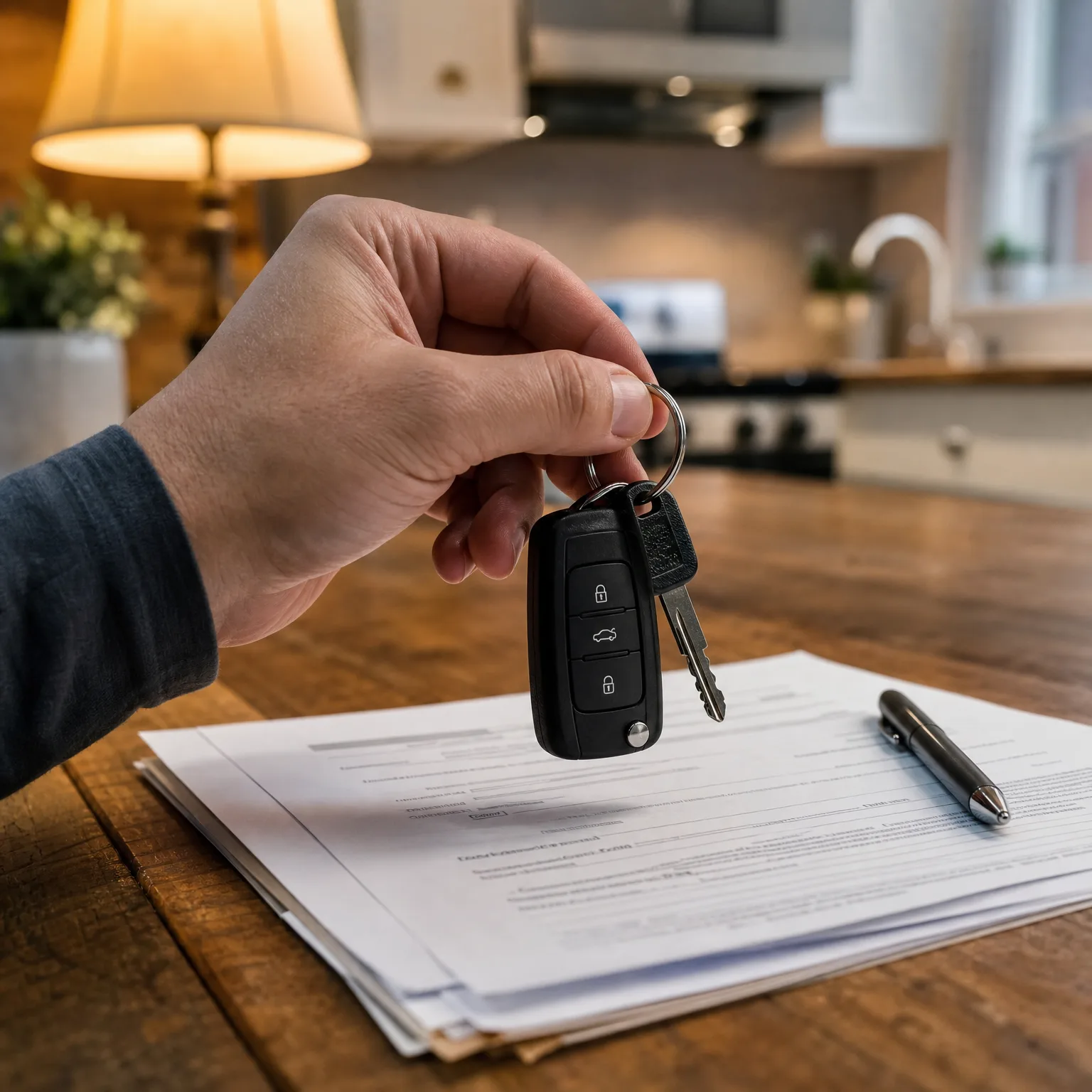
Illinois requires SR-22 filing for most DUI convictions, and the certificate must remain active for a minimum of three years from your license reinstatement date. If your SR-22 lapses at any point during that period — because you cancel your policy, miss a payment, or switch to a carrier that doesn't file SR-22 — the state will suspend your license again and restart the clock.
The SR-22 filing itself costs between $15 and $50, paid to your insurance carrier as a one-time or annual administrative fee. This is separate from your premium increase. Your insurer files the certificate electronically with the Illinois Secretary of State, and you'll receive a copy for your records.
Some Illinois drivers convicted of multiple DUIs or certain aggravated offenses may face a five-year SR-22 requirement instead of three. Check your license reinstatement paperwork or contact the Illinois Secretary of State's Driver Services Department to confirm your specific filing period.

Get Back to a Fair Rate After a Violation
Find Coverage for My SituationWhy Your Current Carrier Will Likely Drop You
Standard insurance carriers underwrite their policies based on risk pools, and a DUI conviction moves you out of the preferred or standard risk category. Insurers like State Farm, Allstate, and Farmers typically reserve the right to non-renew policies when a driver's risk profile changes materially, and a DUI qualifies.
You'll receive a non-renewal notice 30 to 60 days before your policy expires, depending on your carrier's contract terms and Illinois insurance regulations. This notice does not cancel your current coverage — it simply informs you that the carrier will not offer a renewal policy. You remain insured until the expiration date listed on your declarations page.
The critical window is between receiving the non-renewal notice and your policy expiration. If you do not secure new coverage before your current policy ends, you'll have a coverage gap on your record. Gaps make you even more expensive to insure, because carriers view lapses as a separate risk factor on top of the DUI. Some non-standard insurers will decline applicants with recent gaps, forcing you into even higher-cost specialty markets.

How Long Elevated Rates Last
A DUI conviction remains on your Illinois driving record for life, but insurers typically only rate for violations that occurred within the past three to five years. Most carriers use a five-year lookback window, meaning your rates will remain elevated until the conviction is five years old.
After the five-year mark, you can begin shopping for standard coverage again, though not all standard carriers will accept drivers with a DUI in their history. Some will require a seven-year clean period; others will write the policy but may still apply a minor surcharge.
Your SR-22 requirement in Illinois ends after three years (or five, depending on your offense), but the rate impact outlasts the filing period. Even after the state releases your SR-22 obligation, you'll still see higher premiums for the remaining one to two years until the DUI ages out of the insurer's rating window.
What to Do Right Now
1. Request your license reinstatement requirements from the Illinois Secretary of State within seven days of your conviction. You need to know your exact SR-22 filing period and any additional conditions (such as an ignition interlock device) before you shop for coverage. If you wait until after your license is suspended, you'll be operating under tighter timelines.
2. Contact non-standard carriers that file SR-22 in Illinois before your current policy expires. Start shopping at least 45 days before your renewal date if you've received a non-renewal notice, or immediately after conviction if your carrier hasn't yet sent notice. Request quotes from at least three carriers — Dairyland, The General, Progressive, Bristol West, and National General all write high-risk policies in Illinois. Rates vary significantly between carriers for the same driver profile.
3. Purchase your new policy and request SR-22 filing at least 10 days before your current coverage ends. The carrier will file the SR-22 certificate electronically, but processing can take several business days. If your new policy starts after your old policy ends, you've created a gap. If your SR-22 filing reaches the state after your reinstatement deadline, your license remains suspended.
4. Confirm your SR-22 filing with the Illinois Secretary of State within five business days of purchasing your new policy. Call the Driver Services Department at (217) 782-2720 or check online through your MyDMV account. Carriers occasionally fail to file, and the burden of verification falls on you. If the state has no record of your filing, contact your insurer immediately to resolve the issue before your deadline passes.
5. Set a calendar reminder for 30 days before your SR-22 expiration date in three years. When your SR-22 requirement ends, you can shop for standard coverage again if your DUI is still within the five-year rating window, or you can stay with your current non-standard carrier and request they stop filing SR-22. Either way, confirm the filing has been formally released by the state to avoid accidental compliance issues.
Frequently Asked Questions
Will my insurance company find out about my DUI immediately?
No. Most insurers discover DUI convictions when they pull your motor vehicle record at your next policy renewal, typically within six to twelve months. Some carriers run MVR checks more frequently, but immediate notification is uncommon unless you report the conviction yourself.
Can I keep my current insurance after a DUI in Illinois?
It depends on your carrier. Standard insurers like State Farm, Allstate, and GEICO typically non-renew policies after a DUI conviction, though they won't cancel mid-term. A few standard carriers may offer renewal but at significantly higher rates. Most drivers will need to switch to a non-standard carrier that files SR-22.
How long does SR-22 stay on file in Illinois?
Illinois requires SR-22 filing for three years from your license reinstatement date for most DUI convictions. Some repeat offenses or aggravated DUIs require five years. The SR-22 must remain active without any lapses during that period, or your license will be suspended again.
What happens if I let my SR-22 insurance lapse?
If your SR-22 lapses in Illinois — due to non-payment, policy cancellation, or switching to a non-SR-22 carrier — the state will suspend your driver's license and restart your three-year SR-22 filing requirement from the new reinstatement date. You'll also face penalties and reinstatement fees.
Can I get cheaper DUI insurance rates by shopping around?
Yes. Non-standard carriers price DUI risk very differently, and rate spreads between carriers for the same driver can exceed 50%. Request quotes from at least three non-standard insurers — Dairyland, The General, Progressive, Bristol West, and National General all serve Illinois high-risk drivers with varying pricing models.
Related Articles
Car Insurance After License Suspension in Ohio
5/17/2026
Careless Driving Plea Reduction Options by State
5/17/2026

Radar Speeding Ticket: Insurance Reporting Timeline
5/17/2026
Car Insurance After First OWI in Wisconsin: Rates & SR-22
5/17/2026

MO Reckless Driving: Insurance Rate Increase Guide
5/17/2026

Car Insurance After Reckless Driving in Massachusetts
5/17/2026