
Liberty Mutual After a DUI: What Happens to Your Policy
Find Coverage for My SituationDoes Liberty Mutual Cancel Your Policy Immediately After a DUI?
Liberty Mutual does not typically cancel your policy mid-term after a DUI conviction. The carrier usually allows your current policy period to run through renewal, then non-renews the policy at that point. This means if you have four months remaining on your policy when the conviction posts to your motor vehicle record, you have four months of continued coverage before the non-renewal takes effect.
The exception: if your DUI involved an accident with significant damages or injuries, or if you failed to report the conviction when required by your policy terms, Liberty Mutual may invoke a cancellation clause. Review your policy declarations page for the exact renewal date and any reporting requirements tied to violations.
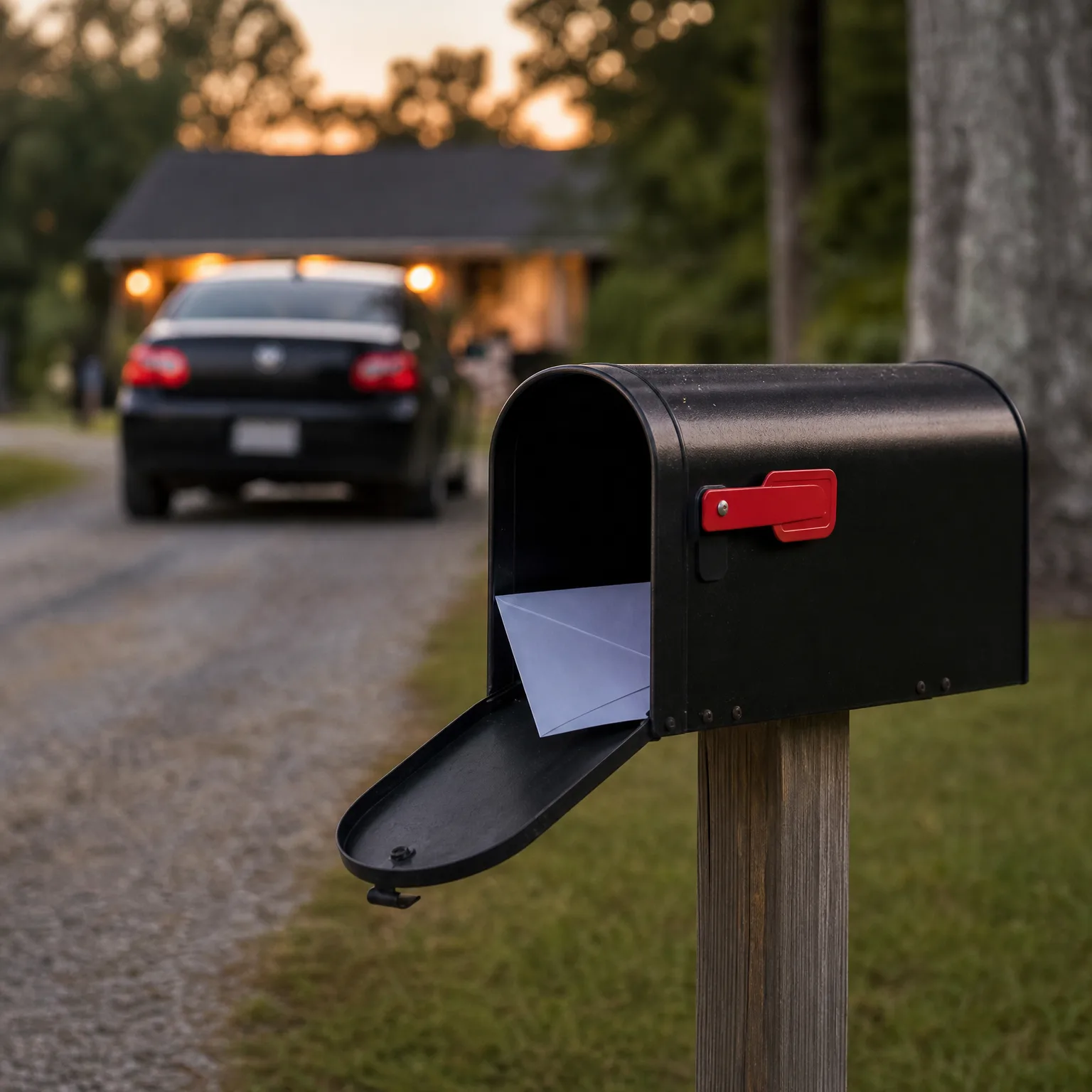
Most drivers discover the non-renewal when they receive a notice 30 to 60 days before the renewal date. By that point, your options narrow significantly. If your state requires SR-22 filing after a DUI — a certificate proving you carry minimum liability coverage — Liberty Mutual may decline to file it, which forces you into the non-standard market regardless of whether the carrier would otherwise renew your policy.

What Liberty Mutual Charges After a DUI
Liberty Mutual's rate increase after a DUI conviction typically falls between 80% and 140% of your previous premium, depending on your state, age, and prior driving record. A driver paying $120 per month before the conviction could see rates jump to $215 to $290 per month at renewal. These are estimates based on available industry data; individual rates vary by driving history, vehicle, coverage selections, and location.
The increase applies at your next renewal after the conviction appears on your motor vehicle record. Most state DMVs report DUI convictions to insurers within 30 to 90 days of the court date. Liberty Mutual pulls your record during the renewal underwriting process, applies the surcharge, and either offers renewal at the higher rate or issues a non-renewal notice.
If Liberty Mutual does offer renewal after your DUI, compare that quote against non-standard carriers before accepting. In many cases, carriers specializing in high-risk drivers — Progressive, Dairyland, The General, Bristol West, National General — offer lower rates for DUI drivers than standard carriers applying maximum surcharges. Non-standard carriers price high-risk drivers more competitively because their underwriting models account for violations as a normal part of their risk pool.


How Long Liberty Mutual Surcharges a DUI
Liberty Mutual typically applies a DUI surcharge for three to five years from the conviction date, depending on state regulations and the carrier's internal underwriting guidelines. In California, the lookback period is three years. In states without mandated lookback windows, Liberty Mutual may surcharge for up to five years.
The surcharge does not disappear at renewal — it persists across every six-month or 12-month policy period until the conviction ages beyond the carrier's lookback threshold. If you stay with Liberty Mutual throughout this period, expect elevated premiums for the full duration. Switching carriers does not erase the conviction from your record, but it may reduce your premium if you move to a non-standard insurer with lower DUI-specific pricing.
Once the conviction falls outside the lookback period, Liberty Mutual recalculates your rate without the DUI surcharge. You return to standard pricing tier if no additional violations appear on your record during that window.

Get Back to a Fair Rate After a Violation
Find Coverage for My SituationWhen Liberty Mutual Will Not File SR-22
SR-22 is not a type of insurance. It is a certificate your insurer files with the state, proving you carry the required minimum liability coverage. After a DUI conviction, most states require SR-22 filing for two to five years as a condition of license reinstatement.
Liberty Mutual does offer SR-22 filing in most states, but the carrier frequently declines to file for drivers with DUI convictions. If Liberty Mutual non-renews your policy after a DUI, the carrier will not file SR-22 on your behalf. If the carrier does renew your policy but refuses SR-22 filing, you must move to a non-standard insurer that accepts SR-22 drivers.
Carriers that specialize in SR-22 filing after DUI convictions include Dairyland, The General, Bristol West, Progressive (in select states), National General, Acceptance Insurance, and SafeAuto. These insurers expect high-risk drivers and price SR-22 filing as part of their standard underwriting process. The SR-22 filing fee itself typically adds $15 to $50 to your premium, paid to the carrier for submitting the certificate to your state DMV.

What Happens If You Let Coverage Lapse After Non-Renewal
If Liberty Mutual non-renews your policy and you do not secure replacement coverage by the non-renewal date, a coverage gap appears on your insurance record. In most states, a lapse in coverage after a DUI conviction triggers a secondary license suspension. The DMV views the lapse as proof you are driving uninsured, even if your vehicle is parked.
The secondary suspension extends your total suspension period and resets the SR-22 filing clock in many states. A driver who completes a 90-day DUI suspension and then experiences a 30-day coverage gap may face an additional 90-day suspension for the lapse. When you reinstate your license the second time, the SR-22 filing requirement starts over from the new reinstatement date.
Avoid this sequence by securing non-standard coverage before Liberty Mutual's non-renewal takes effect. Most non-standard carriers can bind a policy within 24 to 48 hours and file SR-22 the same day. The key timing constraint: your new policy's effective date must match or precede Liberty Mutual's cancellation date to avoid a gap.
What To Do Right Now
Step 1: Confirm your Liberty Mutual renewal date. Check your policy declarations page or call Liberty Mutual customer service. If your renewal is more than 60 days away, you have time to compare non-standard quotes before the non-renewal notice arrives. If your renewal is within 30 days, request quotes immediately.
Step 2: Get quotes from non-standard carriers that file SR-22. Request quotes from Dairyland, The General, Bristol West, Progressive, and National General. Provide your DUI conviction date, your current coverage limits, and your state's SR-22 requirement if applicable. Most non-standard carriers return quotes within 24 hours. If Liberty Mutual's renewal offer is lower than non-standard quotes, you can stay with Liberty Mutual — but confirm the carrier will file SR-22 if your state requires it. If Liberty Mutual refuses SR-22 filing, the standard-market quote is irrelevant.
Step 3: Bind coverage before your Liberty Mutual policy expires. Once you select a non-standard carrier, bind the new policy with an effective date matching Liberty Mutual's expiration date. Confirm the new carrier files SR-22 with your state DMV within 24 hours of binding. Request a copy of the filed SR-22 certificate for your records. If you wait past Liberty Mutual's expiration date, even one day of gap coverage can trigger a secondary suspension and restart your SR-22 filing clock in most states.
Frequently Asked Questions
Will Liberty Mutual cancel my policy the day I get a DUI?
Liberty Mutual typically does not cancel mid-term after a DUI. The carrier usually allows your policy to continue through the current term, then non-renews at the next renewal date. You will receive a non-renewal notice 30 to 60 days before expiration.
Can I stay with Liberty Mutual after a DUI if I accept the rate increase?
You can stay with Liberty Mutual if the carrier offers renewal after your DUI conviction. However, if your state requires SR-22 filing and Liberty Mutual declines to file it, you must move to a non-standard carrier that accepts SR-22 drivers regardless of the rate offered.
How much does Liberty Mutual raise rates after a DUI?
Liberty Mutual typically raises rates 80% to 140% after a DUI conviction. A $120 monthly premium could increase to $215 to $290 per month. The exact increase depends on your state, age, prior record, and coverage selections.
What happens if I let my Liberty Mutual policy lapse after a DUI?
A coverage lapse after a DUI triggers a secondary license suspension in most states. The DMV treats the lapse as proof of uninsured driving, which extends your total suspension period and resets the SR-22 filing requirement in many states.
Do non-standard carriers charge less than Liberty Mutual after a DUI?
Non-standard carriers frequently offer lower rates for DUI drivers than Liberty Mutual's post-DUI pricing. Carriers like Dairyland, The General, and Bristol West specialize in high-risk drivers and price violations more competitively than standard carriers applying maximum surcharges.
Related Articles

How to Find Non-Standard Auto Insurance After a DUI
5/17/2026

Progressive After a DUI: Rates and What Happens Next
5/17/2026

Car Insurance Costs After First DUI: State Rates
5/17/2026

DUI Arrest: Insurance Steps for the Next 48 Hours
5/17/2026
State Farm After DUI: Non-Renewal Timeline Explained
5/17/2026

Travelers Car Insurance Rates After a DUI
5/17/2026