
Mercury After DUI — California
Find Coverage for My SituationMercury's DUI Underwriting Position in California
You received a DUI, your court paperwork says you need SR-22 insurance, and you want to know if Mercury General will write your policy. Mercury does not accept new applications from drivers with DUI convictions in California. The carrier's underwriting guidelines treat a DUI as an automatic decline for new business, regardless of how long ago the conviction occurred or whether this is a first offense.
If you already hold a Mercury policy when the DUI happens, the outcome is different. Mercury typically allows the policy to continue through the current term but issues a non-renewal notice for the next term. You will not be cancelled mid-policy in most cases, but you will need to find a new carrier before your renewal date. The non-renewal notice arrives 30 to 60 days before your policy expires, giving you a narrow window to shop and file the SR-22 before your coverage lapses.
“Mercury allows existing policies to continue through the current term but issues a non-renewal notice for the next term, giving you 30 to 60 days to find a new carrier.”

Get Back to a Fair Rate After a Violation
Find Coverage for My Situation3 years
California SR-22 Filing Period
California requires continuous SR-22 filing for 3 years after a DUI conviction, measured from the conviction date. A lapse in coverage during this period triggers immediate license re-suspension and restarts the filing clock from zero.
California Vehicle Code §13353.7
Why Mercury Declines DUI Applicants
Mercury General underwrites to a preferred and standard risk tier in California. A DUI conviction moves a driver into the non-standard tier, which Mercury does not serve. The carrier's business model focuses on drivers with clean or near-clean records, and the actuarial cost of insuring DUI drivers exceeds Mercury's rate structure.
This is not unique to Mercury. Carriers like Allstate, Amica, CSAA, Farmers, Hartford, Liberty Mutual, Nationwide, Travelers, and USAA follow similar underwriting guidelines in California. These carriers either decline DUI applicants outright or non-renew existing policyholders after a DUI conviction. The standard-tier and preferred-tier carriers do not file SR-22 certificates because they do not write the policies that require them.
The carriers that do write SR-22 filings after DUI in California include Acceptance Insurance, Bristol West, Dairyland, Geico, Infinity, National General, Progressive, and The General. State Farm writes SR-22 filings but does not accept new DUI applicants; existing State Farm policyholders may be able to add an SR-22 to their current policy if the carrier chooses to renew. Each of these carriers operates in the non-standard tier and prices policies to reflect the elevated risk profile.
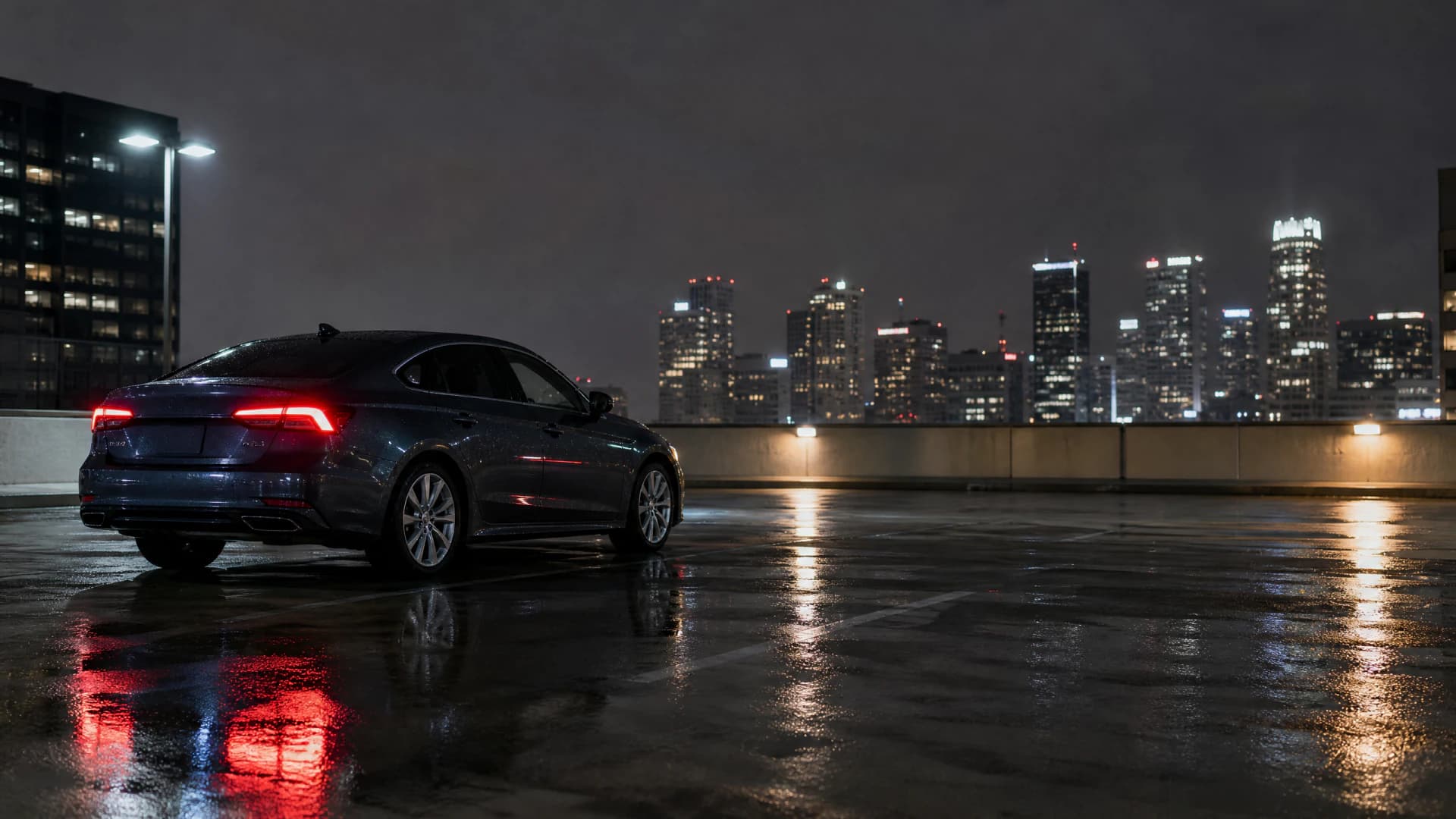
Mercury's non-renewal notice arrives 30 to 60 days before your policy expires. If you wait until the notice arrives to start shopping, you may not have enough time to compare carriers and file the SR-22 before your coverage lapses.
Related Articles

Car Insurance After First DUI in California: Costs & SR-22
5/17/2026
Car Insurance After Second DUI in California
5/17/2026
Car Insurance After CA License Suspension + SR-22
5/17/2026

Marijuana DUI in CA: Insurance & SR-22 Filing Guide
5/17/2026

Felony DUI Causing Injury in CA: Rate Impact & SR-22
5/17/2026
Car Insurance After First DUI in Arizona: Rates & Filing
5/17/2026
SR-22 Filing Requirements After a California DUI
California requires an SR-22 certificate of financial responsibility for 3 years after a DUI conviction. The SR-22 is not a type of insurance; it is a filing your insurance carrier submits to the DMV certifying that you carry at least the state minimum liability coverage. The state minimums are $15,000 property damage, $30,000 bodily injury per person, and $60,000 bodily injury per accident. The SR-22 filing itself costs between $15 and $50 as a one-time carrier fee, but the premium for the underlying policy is significantly higher because you are now in the non-standard tier.
The 3-year filing period begins on your conviction date, not the date you file the SR-22. If your conviction date was January 15, 2025, your filing period ends January 15, 2028, regardless of when you actually secured the SR-22 certificate. Any lapse in coverage during those 3 years restarts the clock from zero. A lapse is defined as any gap in coverage, even one day, during which no valid SR-22 is on file with the DMV. Carriers report policy cancellations and lapses to the DMV electronically through California's Electronic Financial Responsibility system, and the DMV acts on lapse reports immediately.
If you own a vehicle, you need an owner SR-22 policy. If you do not own a vehicle but need to maintain your license and meet the court's SR-22 requirement, you need a non-owner SR-22 policy. Non-owner policies provide liability coverage when you drive a vehicle you do not own, and they satisfy the SR-22 filing requirement without requiring you to insure a specific vehicle. Carriers that write non-owner SR-22 policies in California include Dairyland, Geico, Progressive, State Farm, and The General.
California also offers an Ignition Interlock Device restricted license option under Vehicle Code §13353.3. First-offense DUI drivers can bypass the 30-day hard suspension by installing an IID immediately and obtaining a restricted license valid for 12 months. The restricted license requires an SR-22 filing, IID installation, and enrollment in a DUI program. If you choose the IID pathway, your SR-22 filing must remain active for the full 3-year period even after the IID is removed.
25
Carriers Writing in California
Twenty-five carriers are licensed to write auto insurance in California, but only eight write SR-22 filings after DUI convictions: Acceptance, Bristol West, Dairyland, Geico, Infinity, National General, Progressive, and The General. Comparing quotes from multiple carriers in this group is the only way to find the lowest compliant rate.
California Department of Insurance carrier licensing data

Which Carriers Write SR-22 Filings After DUI in California
Acceptance Insurance writes SR-22 filings and accepts DUI applicants in California. Acceptance operates in the non-standard tier and offers online quotes. The carrier's underwriting tolerance includes first and second DUI offenses, but rates vary significantly based on the time elapsed since conviction and whether other violations are present on your record.
Bristol West writes SR-22 filings and accepts DUI applicants. Bristol West was founded in California in 1973 and specializes in high-risk drivers. The carrier requires broker placement in most cases, meaning you cannot buy directly online; you work with an independent agent who has access to Bristol West's underwriting system. Dairyland writes SR-22 filings, non-owner SR-22 policies, and accepts DUI applicants. Dairyland offers online quotes and operates in 38 states, including California. Geico writes SR-22 filings, non-owner SR-22 policies, and accepts DUI applicants. Geico operates in the standard tier for most drivers but maintains a non-standard underwriting division for high-risk cases. You can request an SR-22 quote online or by phone.
Infinity writes SR-22 filings and accepts DUI applicants. Infinity is part of the Kemper Auto group and focuses exclusively on non-standard auto insurance. National General writes SR-22 filings and accepts DUI applicants. National General is owned by Allstate but operates as a separate underwriting entity with its own risk appetite. Progressive writes SR-22 filings, non-owner SR-22 policies, and accepts DUI applicants. Progressive is one of the largest writers of non-standard auto insurance in California and offers online quotes with SR-22 filing built into the quote flow. The General writes SR-22 filings, non-owner SR-22 policies, and accepts DUI applicants. The General specializes in non-standard insurance and offers online quotes.
Compare Carriers Before Your Mercury Policy Expires
Request quotes from at least three carriers that write SR-22 filings in California. Rates vary by hundreds of dollars per month between carriers in the non-standard tier, and the carrier with the lowest rate for one driver may not be the lowest for another. Each carrier uses its own underwriting model, and factors like your ZIP code, vehicle type, and the time elapsed since your DUI conviction weigh differently across carriers.
When you request a quote, tell the carrier or agent that you need an SR-22 filing. The quote you receive will include the SR-22 filing fee and the premium for the underlying liability policy. Do not buy a policy without confirming that the carrier will file the SR-22 with the California DMV on your behalf. Some carriers require you to request the SR-22 filing separately after the policy is issued; others file it automatically when you disclose the requirement during the quote process. Confirm the filing process before you pay the first premium, and request a copy of the SR-22 certificate for your records once it is filed. The DMV receives the filing electronically, but you should keep a copy in case the court or DMV requests proof.
What Happens If You Already Hold a Mercury Policy
Mercury typically does not cancel a policy mid-term for a DUI conviction unless the conviction also triggered a license suspension that you failed to disclose. California law requires carriers to provide notice before cancellation, and mid-term cancellations are restricted to specific circumstances: non-payment, fraud, or license suspension. A DUI conviction alone does not meet the mid-term cancellation threshold in most cases. Your policy continues through the current term, and you remain covered until the expiration date printed on your declarations page.
At renewal, Mercury issues a non-renewal notice. The notice states that the carrier will not offer a renewal policy and provides the date your coverage ends. You must secure a new policy with a carrier that writes SR-22 filings before that date. If you allow your Mercury policy to lapse without replacement coverage, the DMV receives a termination notice from Mercury, your SR-22 filing is reported as lapsed, and your license is suspended. The suspension is immediate, and reinstatement requires proof of new SR-22 coverage, payment of a $55 DMV reissue fee, and in some cases completion of a DUI program enrollment milestone.
Get Your Free Quote
Find Coverage for My SituationFrequently Asked Questions
Will Mercury file an SR-22 for an existing policyholder after a DUI?
Mercury does not file SR-22 certificates in California. If you hold a Mercury policy when you receive a DUI, the carrier will non-renew your policy at the next term rather than file the SR-22. You must switch to a carrier that writes SR-22 filings before your Mercury policy expires.
How much does SR-22 insurance cost after a DUI in California?
SR-22 insurance premiums after a DUI vary by carrier, ZIP code, vehicle, and time since conviction. The SR-22 filing fee itself is typically $15 to $50 as a one-time charge, but the underlying policy premium is set by the carrier based on your risk profile. Compare quotes from multiple non-standard carriers to find the lowest rate.
Can I get a non-owner SR-22 policy if I don't own a car?
Yes. Non-owner SR-22 policies provide liability coverage when you drive a vehicle you do not own and satisfy California's SR-22 filing requirement. Carriers that write non-owner SR-22 policies in California include Dairyland, Geico, Progressive, State Farm, and The General.
What happens if my SR-22 lapses during the 3-year filing period?
A lapse in SR-22 coverage during the 3-year filing period triggers immediate license re-suspension and restarts the filing clock from zero. California carriers report lapses to the DMV electronically, and the DMV acts on lapse reports the same day. Reinstatement requires proof of new SR-22 coverage and payment of a $55 DMV reissue fee.
Does Mercury offer a restricted license option after a DUI?
Mercury does not offer restricted licenses. California's Ignition Interlock Device restricted license program is administered by the DMV, not by insurance carriers. You can obtain a restricted license by installing an IID and filing an SR-22 with a carrier that writes DUI policies, but Mercury does not write those policies.