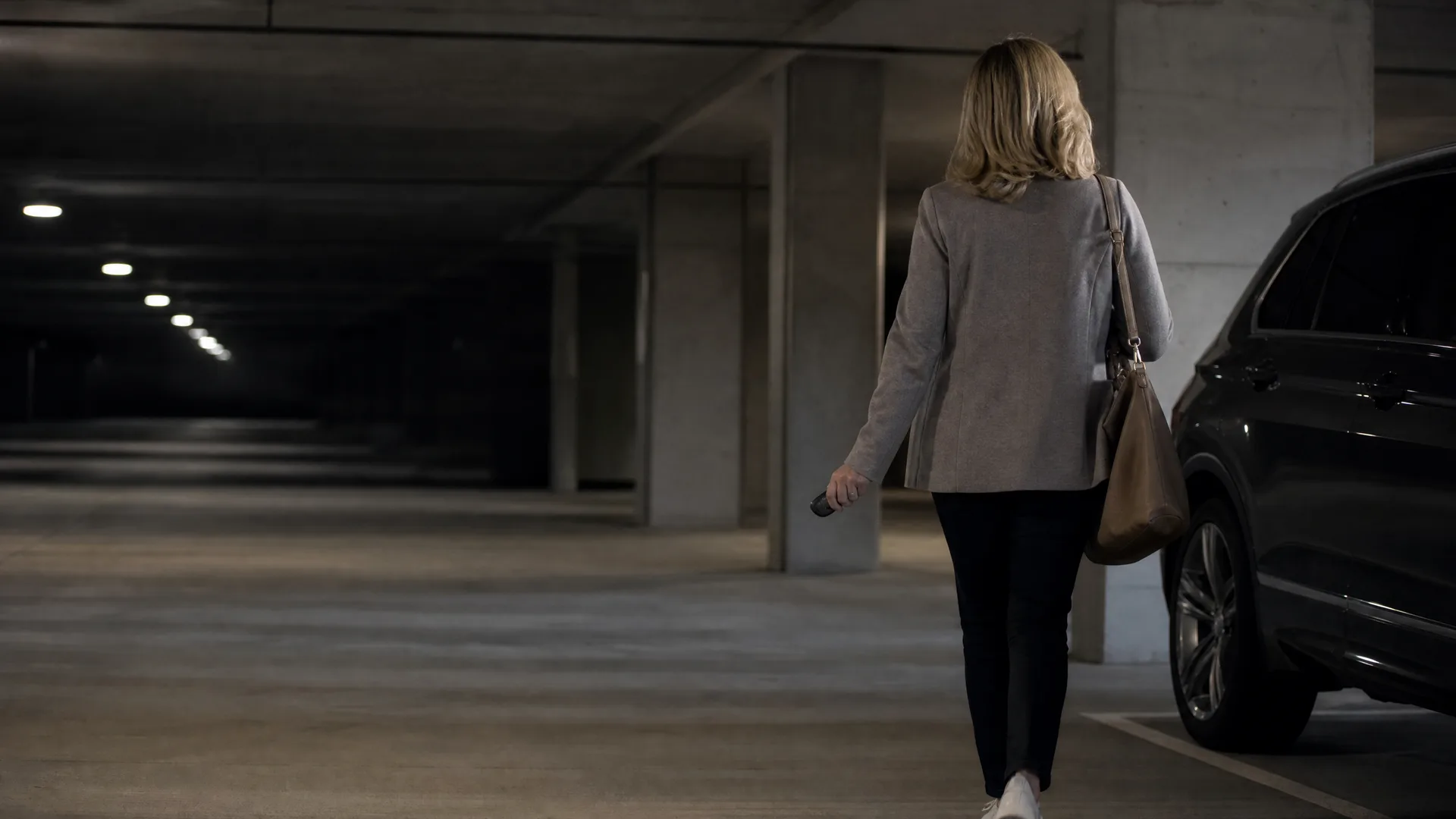
Multiple Violations Triggering SR-22 in California: Stack Rules
Find Coverage for My SituationWhat Happens When You Get a Second Violation During SR-22 Filing
California requires 3 years of continuous SR-22 filing after a DUI conviction, measured from the conviction date. If you receive a second qualifying violation before that 3-year period ends, the DMV resets the entire filing requirement from the date of your newest conviction.
Most drivers assume a second violation during SR-22 compliance simply extends the original timeline. It doesn't. The clock restarts completely. A driver convicted of DUI in January 2023 who receives a second DUI in December 2024 owes 3 years of SR-22 filing from December 2024, not from January 2023.
This reset happens automatically through DMV administrative process. You receive notification by mail, typically 30 to 60 days after the new conviction posts to your driving record. By that point, your insurance company has already been notified, and your premium has likely increased again to reflect the compounded violation history.

Which Violations Trigger SR-22 Stacking in California
California Vehicle Code sections 16000-16560 define financial responsibility requirements. SR-22 filing is triggered by DUI convictions, at-fault accidents without insurance, reckless driving convictions, and license suspensions for negligent operator treatment.
Each of these events qualifies independently. A driver already filing SR-22 for a DUI who then receives a reckless driving conviction triggers a stack. A driver filing for an uninsured at-fault accident who receives a second suspension for points accumulation triggers a stack.
Accumulating violations that don't individually require SR-22 filing won't trigger a stack. A speeding ticket during SR-22 compliance adds points and raises your premium, but doesn't reset your SR-22 clock unless it results in a license suspension or reckless driving conviction.

How Stacking Affects Your Insurance Premium and Carrier Options
California carriers price based on your full violation history over the past 3 to 5 years. A second DUI during SR-22 filing places you in the highest underwriting tier most standard carriers offer before non-renewing the policy entirely.
Drivers with stacked SR-22 requirements typically see rate increases of 140% to 200% compared to their pre-violation baseline. A driver paying $180 per month before violations may see premiums climb to $430 to $540 per month after the second event posts.
Most standard carriers non-renew policies after a second major violation within 3 years. Progressive, Dairyland, Bristol West, and The General write high-risk SR-22 policies in California, but premiums reflect the compounded risk. Expect to remain in the non-standard market for the duration of your SR-22 filing period plus an additional 3 years after filing ends, as violations stay on your California driving record for 10 years from the conviction date.

Get Back to a Fair Rate After a Violation
Find Coverage for My SituationWhat the DMV Filing Timeline Looks Like After a Stack
The new SR-22 filing period begins on the conviction date of your most recent qualifying violation. California requires continuous coverage for 3 years without a single lapse longer than 30 days. A lapse triggers an additional 1-year extension and a license suspension.
If your original SR-22 requirement began in 2023 and a second violation resets the clock in 2025, you owe filing through 2028. Any lapse between 2025 and 2028 extends the requirement to 2029 and suspends your license until you file proof of coverage and pay a reinstatement fee of $125.
The DMV does not send reminders when your filing period ends. Your carrier notifies the DMV electronically when your 3-year period completes. If you cancel coverage or switch carriers during the filing period, your previous carrier files an SR-26 form notifying the DMV of the termination, and your new carrier must file a new SR-22 within 30 days to avoid suspension.

What To Do Right Now If You're Facing Stacked SR-22 Requirements
1. Confirm your new SR-22 start date with the DMV within 10 days of your conviction. Call the DMV Mandatory Actions Unit at 916-657-6525 or check your driving record online through the DMV website. The conviction date on your court paperwork determines your filing start date, not the date you receive DMV notification. Missing this window means you're calculating compliance incorrectly from the start.
2. Contact a non-standard carrier that writes high-risk SR-22 policies in California before your current carrier non-renews you. If you wait for the non-renewal notice, you're shopping under time pressure with a coverage gap approaching. Dairyland, Bristol West, and The General accept stacked violations. Request quotes within 15 days of your conviction posting. Switching carriers mid-filing-period is legal as long as there's no lapse between the cancellation of your old policy and the effective date of your new SR-22 filing.
3. Set a calendar reminder for 3 years from your most recent conviction date, then add 6 months. The 6-month buffer accounts for DMV processing time and prevents early cancellation. Canceling SR-22 coverage even one day before your requirement officially ends triggers a suspension and restarts the clock. If your filing period ends June 15, 2028, do not cancel coverage before December 15, 2028 without written confirmation from the DMV that your requirement has been satisfied.
4. Document every premium payment and policy renewal with dated records. If a lapse dispute arises, your carrier's SR-26 filing to the DMV is the official record, but your payment history is your only defense if an administrative error occurs. Save electronic confirmations and bank statements showing continuous coverage. California allows you to request a compliance review if you believe a lapse was reported in error, but the burden of proof is on you.
Frequently Asked Questions
Does California stack SR-22 filing periods for multiple DUIs?
Yes. California resets the entire 3-year SR-22 filing requirement from the conviction date of your most recent DUI. A second DUI during an existing SR-22 period doesn't extend the original timeline — it replaces it with a new 3-year period starting from the new conviction date.
Can I get SR-22 insurance in California with two DUIs?
Yes, but you'll need a non-standard carrier. Most standard insurers non-renew policies after a second DUI within 3 to 5 years. Carriers like Dairyland, Bristol West, and The General write SR-22 policies for drivers with multiple DUIs, typically at premiums 140% to 200% higher than pre-violation rates.
What happens if I let my SR-22 lapse after a stacked violation in California?
The DMV suspends your license immediately and adds 1 year to your filing requirement. You must obtain new SR-22 coverage, pay a $125 reinstatement fee, and serve the extended filing period without any additional lapses. Each lapse triggers another 1-year extension.
How long do stacked violations stay on my California driving record?
DUI convictions and most SR-22-triggering violations remain on your California driving record for 10 years from the conviction date. Even after your 3-year SR-22 filing period ends, insurers continue to rate you based on the full violation history visible on your record during underwriting.
Related Articles
Multiple Violations & SR-22 in PA: Stack Rules
5/17/2026

Two DUIs + Reckless Driving: SR-22 Duration Extended
5/17/2026

Car Insurance After Second DUI in California
5/17/2026
Car Insurance After First DUI in California: Costs & SR-22
5/17/2026

Open Container After DUI: Insurance Consequences
5/17/2026

1-Day Insurance Lapse: SR-22 Reset & Rate Impact
5/17/2026