
30-Day Civil Revocation After DWI — North Carolina
Find Coverage for My SituationThe Civil Revocation Starts at Arrest
The officer took your license at the roadside and handed you a temporary driving certificate valid for 30 days. That paper is your notice of civil revocation under G.S. 20-16.5, ordered by a judicial official, not the court handling your criminal DWI charge. The 30-day clock started the moment the officer signed the order, and it runs whether or not you've been to court yet.
This is not your criminal case. The civil revocation is an administrative action triggered by refusal to submit to chemical testing or by a BAC result at or above the legal limit. Your criminal DWI charge moves on a separate timeline with separate consequences. Most drivers assume the two are the same process because they stem from the same arrest, but North Carolina splits them: the DMV controls the civil revocation, the court controls the criminal case, and you navigate both simultaneously.
“The DL-123 expires 30 days after issuance, and your carrier does not file it electronically with the state.”

Get Back to a Fair Rate After a Violation
Find Coverage for My Situation30 days
Civil Revocation Period
The temporary certificate the officer gave you expires 30 days from the date of issuance. After that, your driving privilege is revoked until you complete the restoration process or obtain a Limited Driving Privilege from the court.
G.S. 20-16.5, North Carolina Division of Motor Vehicles
North Carolina Uses DL-123, Not SR-22
North Carolina does not use SR-22 certificates. The state requires a DL-123 form, a certificate of liability insurance provided by a North Carolina-licensed insurer and presented by you to the DMV or the court. The DL-123 is valid for 30 days from issuance, and you must obtain a new one each time you need to prove insurance for restoration or a Limited Driving Privilege petition.
The DL-123 is not a continuous filing like an SR-22. Your insurer does not file it electronically with the state and does not notify the DMV if your policy lapses. You request the form from your carrier, they issue it on their letterhead, and you present the physical certificate to the agency or court that requires it. If you do not own a vehicle, you need a DL-123A, the non-owner certification of exemption.
This distinction matters because most national carriers and online resources default to SR-22 language, and drivers waste time asking for a filing type that does not exist in North Carolina. When you call a carrier, ask specifically for a DL-123 certificate. Statutory basis is G.S. 20-309, and the standard minimum liability limits are $50,000 per person, $100,000 per accident, and $50,000 property damage, effective July 1, 2025.
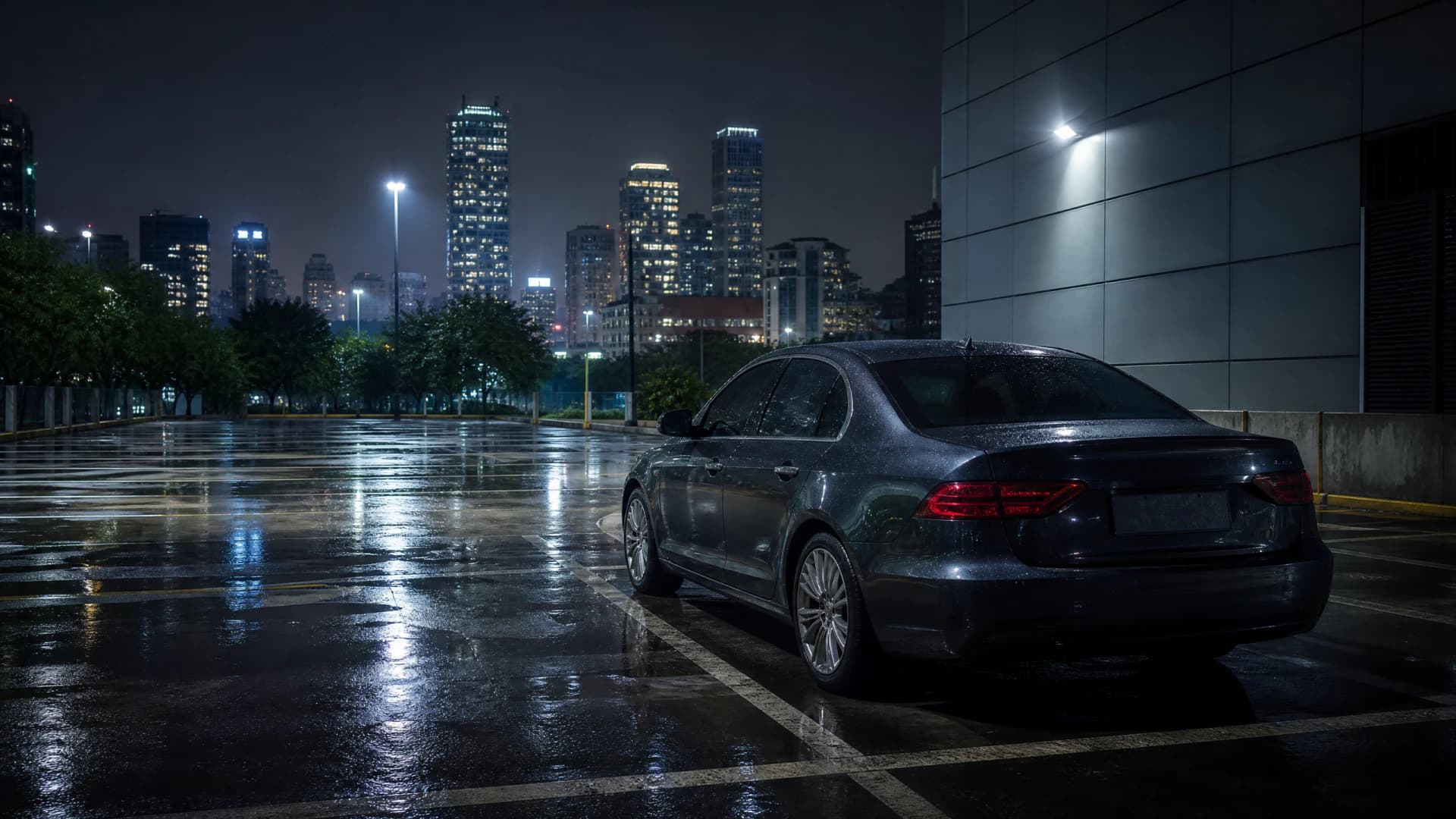
The DL-123 expires 30 days after issuance. If your court date or DMV appointment falls outside that window, you will need to request a new certificate from your carrier.
Related Articles
Car Insurance After First DUI in North Carolina
5/17/2026
Car Insurance After NC 12-Point License Suspension
5/17/2026
Car Insurance After Reckless Driving in NC
5/17/2026

Policy Renewal After a Violation: The 30-Day Window
5/17/2026
Georgia DDS After DUI: 30-Day Appeal Window Explained
5/17/2026
Tennessee DOS After DUI: ALR Process & Insurance
5/17/2026

Restoration After the 30-Day Period Ends
Once the 30-day civil revocation period expires, you can apply for restoration of your full driving privilege if you meet all DMV requirements. You must pay the $83.50 base reinstatement fee to the North Carolina Division of Motor Vehicles and present a valid DL-123 certificate proving you carry at least the state minimum liability coverage. If your license was also revoked for other reasons during the same period, additional fees and requirements may apply; North Carolina operates a multi-tier suspension system where overlapping revocations stack.
If you obtained a Limited Driving Privilege and your criminal case is still pending, the privilege remains in effect until the court resolves your DWI charge. Once the criminal case concludes, new requirements may attach depending on the outcome: a conviction typically triggers a longer revocation period, additional fees, and mandatory substance abuse treatment. The civil revocation and the criminal revocation are separate, but the criminal case determines what happens after the initial 30-day window closes.
If your policy lapses at any point after restoration, your carrier is not required to notify the DMV because North Carolina does not use continuous electronic filing. You are responsible for maintaining coverage. A lapse discovered during a traffic stop or license check can result in a new suspension under G.S. 20-313, and you will need another DL-123 to restore your privilege again.
$83.50
NC Reinstatement Fee
The base reinstatement fee for a civil revocation in North Carolina is $83.50, paid to the Division of Motor Vehicles. Additional fees apply if your license was revoked for multiple reasons during the same period.
North Carolina Division of Motor Vehicles
Finding a Carrier That Writes DL-123 Certificates
Not every carrier writes policies for drivers with a pending or recent DWI charge, and not every carrier familiar with SR-22 filings in other states understands North Carolina's DL-123 requirement. You need a North Carolina-licensed insurer willing to issue the certificate and underwrite a policy for a high-risk driver. Dairyland, Direct Auto, Farmers, Geico, National General, Progressive, and The General all write DWI policies in North Carolina and can issue DL-123 certificates. State Farm and Liberty Mutual write DL-123 certificates but may decline new applicants with a pending DWI depending on underwriting guidelines at the time you apply.
When you request quotes, state clearly that you need a DL-123 certificate for a DWI civil revocation. Some carriers will issue the certificate within 24 hours of binding the policy; others require the policy to be active for a billing cycle before they release the form. Ask the agent or representative for the timeline before you bind coverage, especially if your court date or DMV appointment is approaching and you need the certificate in hand by a specific date.
Compare Carriers Writing DWI Policies in North Carolina
The DL-123 requirement is the same across all carriers, but premiums, down payment structures, and certificate issuance timelines vary. Estimates based on available industry data suggest high-risk drivers in North Carolina pay between $312 and $592 per month after a DWI, an increase of 171 to 303 percent compared to a clean record. Individual rates vary by driving history, vehicle, coverage selections, and location within the state.
Request quotes from at least three carriers that write DWI policies in North Carolina. Compare the monthly premium, the down payment required to bind coverage, and the timeline for receiving your DL-123 certificate. If you need a Limited Driving Privilege, confirm the carrier can issue the certificate before your court date. If you are restoring your license after the 30-day period, confirm the certificate will be valid on the date you plan to visit the DMV. A DL-123 issued too early expires before you can use it; one issued too late delays your restoration by another 30 days.
Limited Driving Privilege During Revocation
To obtain a Limited Driving Privilege, you petition the court in the county where the privilege will be issued and pay a $100 processing fee to the clerk of superior court. You must provide a substance abuse assessment under G.S. 20-17.6 and proof of financial responsibility in the form of a DL-123 certificate. The privilege is purpose-based: employment, household maintenance, education, and court-ordered treatment are the standard categories. Standard hours are 6:00 A.M. to 8:00 P.M. Monday through Friday; other hours must be specifically authorized in the court order.
An ignition interlock device is required for a Limited Driving Privilege after a DWI arrest in North Carolina. The court order will specify the IID requirement, and you must have the device installed by a state-approved vendor before the privilege becomes valid. The cost of installation, monthly monitoring, and removal is your responsibility and typically runs $70 to $150 per month depending on the vendor and your county.
Get Your Free Quote
Find Coverage for My SituationFrequently Asked Questions
Can I drive during the 30-day civil revocation period in North Carolina?
You can drive on the temporary certificate the officer gave you for the first 30 days. After that, you cannot drive unless you obtain a Limited Driving Privilege from the court. The privilege is purpose-based and requires a substance abuse assessment, a DL-123 certificate, a $100 court processing fee, and an ignition interlock device.
What is the difference between a DL-123 and an SR-22 in North Carolina?
North Carolina does not use SR-22 certificates. The DL-123 is a certificate of liability insurance you obtain from your carrier and present yourself to the DMV or court. It is valid for 30 days from issuance and is not filed electronically by the insurer. The DL-123A is the non-owner version for drivers who do not own a vehicle.
How much does it cost to reinstate my license after a DWI civil revocation in North Carolina?
The base reinstatement fee is $83.50, paid to the North Carolina Division of Motor Vehicles. If your license was revoked for multiple reasons during the same period, additional fees apply. You must also present a valid DL-123 certificate proving you carry at least the state minimum liability coverage of $50,000 per person, $100,000 per accident, and $50,000 property damage.
Do I need an ignition interlock device for a Limited Driving Privilege in North Carolina?
Yes. North Carolina requires an ignition interlock device for a Limited Driving Privilege after a DWI arrest. The court order specifies the IID requirement, and you must have the device installed by a state-approved vendor before the privilege becomes valid. Installation, monthly monitoring, and removal costs typically run $70 to $150 per month.
Which insurance carriers write DL-123 certificates for DWI drivers in North Carolina?
Dairyland, Direct Auto, Farmers, Geico, National General, Progressive, and The General all write DWI policies in North Carolina and issue DL-123 certificates. State Farm and Liberty Mutual write DL-123 certificates but may decline new applicants with a pending DWI depending on current underwriting guidelines. Ask each carrier for their certificate issuance timeline before binding coverage.