
Progressive After a DUI: What to Expect and What Happens Next
Find Coverage for My SituationProgressive Usually Won't Cancel Your Policy Immediately After a DUI
Progressive will continue your current policy until your renewal date in most states, then non-renew rather than cancel mid-term. This distinction matters because it gives you time to find coverage before a gap appears on your insurance record.
A mid-term cancellation forces you to scramble for coverage within days. A non-renewal notice typically arrives 30 to 60 days before your renewal date, depending on state law. That window is your opportunity to shop for non-standard auto insurance carriers who specialize in high-risk drivers before Progressive drops you.
The exception: if your DUI triggered a license suspension and you cannot legally drive, Progressive may cancel for non-payment or material misrepresentation if you failed to disclose the violation. Check your policy documents for the exact renewal date and mark it now.

Rate Increase If Progressive Keeps You (Rare but Possible)
If Progressive renews your policy after a DUI — which happens in a small percentage of cases, usually for long-term customers with otherwise clean records — expect a rate increase between 70% and 130% at renewal. A driver paying $120 per month would see premiums jump to $200 to $275 per month.
Progressive uses state-specific rating factors, so the exact increase depends on where you live, your age, and how long you've been insured with them. Drivers in states with stricter DUI penalties (Arizona, Georgia, California) tend to see increases at the higher end of that range. Younger drivers under 25 face steeper hikes than drivers over 30.
This increase stays on your record for three to five years in most states. Progressive will re-rate you each year as the violation ages, but the surcharge diminishes slowly.


What Happens When Progressive Non-Renews You
Progressive will mail a non-renewal notice to your address on file, typically 30 to 60 days before your policy expires. The notice states the reason (usually "underwriting guidelines" or "motor vehicle record") and the effective date your coverage ends. You are not being canceled — your policy runs through the end of its term, then stops.
You have until that effective date to secure new coverage. If you let the date pass without replacement coverage, you now have a lapse on your record. A lapse after a DUI triggers harsher penalties than the DUI alone in most states, including possible license suspension, SR-22 filing requirements, and significantly higher premiums when you do find coverage.
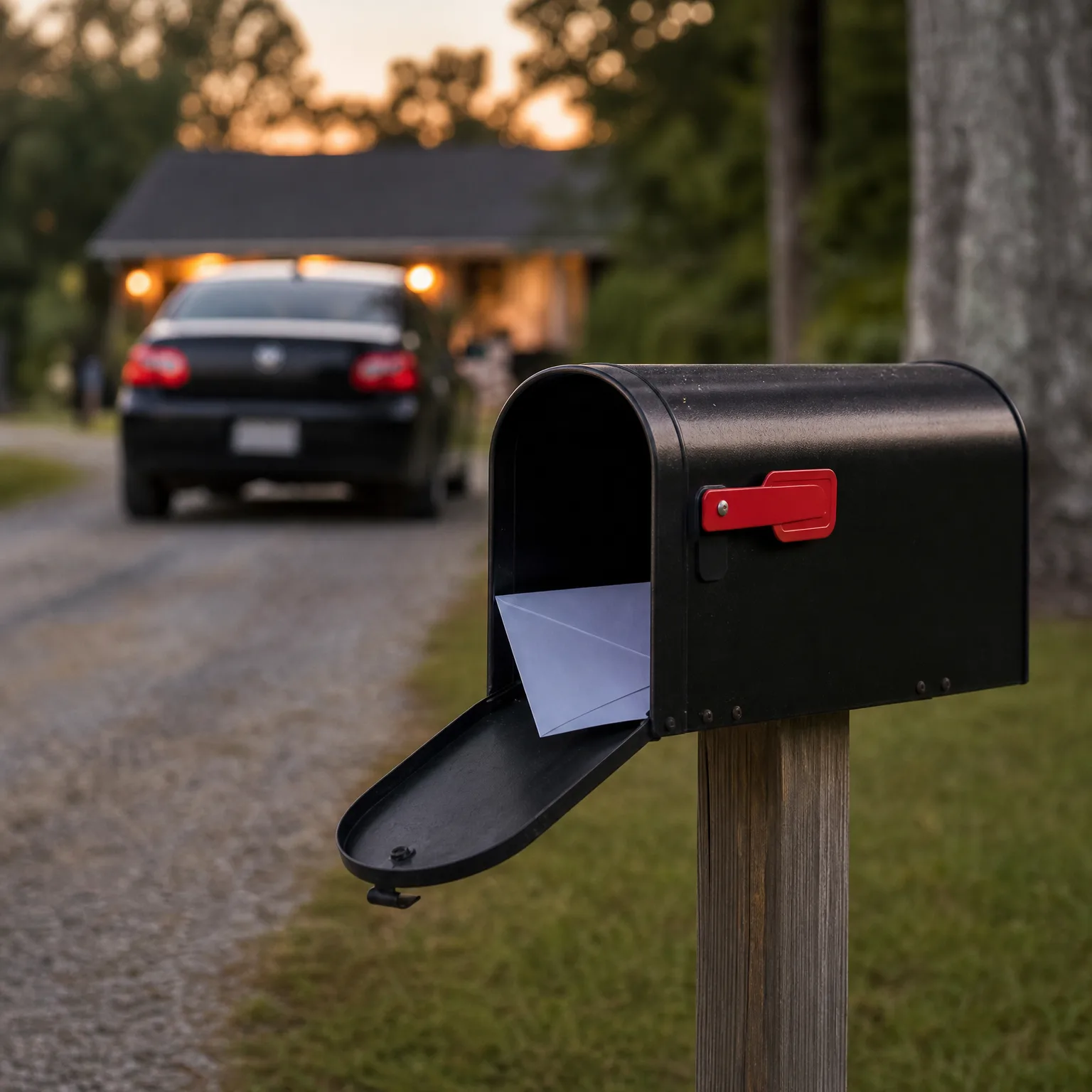
The moment you receive the non-renewal notice, start shopping for non-standard carriers. Waiting until the week before your policy expires limits your options and forces you into whatever coverage you can find in a hurry.

Get Back to a Fair Rate After a Violation
Find Coverage for My SituationNon-Standard Carriers That Accept DUI Drivers
Non-standard auto insurance refers to coverage offered by carriers that specifically work with high-risk drivers — those with DUIs, violations, lapses, or suspensions on their record. The coverage itself is identical to standard insurance; what differs is the carrier's willingness to write drivers who have been declined or overpriced elsewhere.
Carriers that regularly accept DUI drivers include The General, Dairyland, Bristol West, National General, Acceptance Insurance, and SafeAuto. Some of these carriers operate as subsidiaries of larger companies (Bristol West is owned by Farmers; National General is owned by Allstate) but maintain separate underwriting guidelines for high-risk drivers.
Non-standard premiums run 40% to 90% higher than standard rates for similar coverage. A driver who paid $140 per month with Progressive might pay $200 to $265 per month with a non-standard carrier after a DUI. Rates vary significantly by state, age, and the severity of the violation.

SR-22 Filing Requirements and How They Work
SR-22 is not a type of insurance — it is a certificate your insurer files with the state, proving you carry the required minimum coverage. Not all insurance companies offer SR-22 filing; you will likely need a carrier that specializes in high-risk drivers.
Most states require SR-22 filing for three years after a DUI conviction, measured from the conviction date, not the filing date. Some states (California, Florida, Virginia) require SR-22 or FR-44 filing for longer periods or at higher liability limits. Your court documents or DMV letter will specify the exact requirement and duration.
The filing fee is typically $15 to $50, added to your premium and paid to the carrier for processing the certificate with your state. If your policy lapses or cancels during the required SR-22 period, your carrier notifies the state immediately, which usually triggers an automatic license suspension. Maintaining continuous coverage without gaps is not optional during this period.
What to Do Right Now
1. Check your current Progressive policy documents for your renewal date. You need to know the exact date your coverage ends. If you cannot find the renewal date, call Progressive or log into your account online. Missing this date creates a coverage gap that makes everything harder.
2. Request quotes from non-standard carriers within 7 days of receiving your non-renewal notice. Contact The General, Dairyland, Bristol West, National General, and Acceptance Insurance directly or use a comparison tool that includes non-standard carriers. Standard comparison sites often exclude high-risk insurers. If you wait until the week before your policy expires, you lose negotiating power and may end up with the first carrier willing to write you.
3. Confirm SR-22 filing capability before binding coverage. Ask each carrier explicitly whether they offer SR-22 filing in your state and what the filing fee is. If your state requires SR-22 and your new carrier does not file it, your license remains suspended even if you have coverage. The carrier must file the SR-22 certificate with your state within 30 days of your court date or DMV notice deadline — confirm the filing timeline in writing.
4. Avoid any coverage gap between your Progressive end date and your new policy start date. Set your new policy effective date to match the day your Progressive coverage ends. A single day of gap after a DUI can trigger a second suspension in most states, reset your SR-22 filing clock, and add another surcharge to your premium. If your new carrier requires a down payment you cannot afford immediately, ask about payment plans before your Progressive policy expires.
Frequently Asked Questions
Does Progressive automatically cancel your insurance after a DUI?
Progressive typically does not cancel mid-term after a DUI. Instead, they non-renew your policy at the next renewal date, which gives you 30 to 60 days' notice to find replacement coverage. A non-renewal is not the same as a cancellation — your current policy stays active until the renewal date listed in your documents.
How much does Progressive raise rates after a DUI?
Progressive raises rates between 70% and 130% after a DUI conviction if they choose to renew your policy, which is uncommon. Most drivers see non-renewal instead. A driver paying $120 per month would see premiums increase to $200 to $275 per month, depending on state, age, and driving history.
Will Progressive file SR-22 for me after a DUI?
Progressive offers SR-22 filing in most states, but if they non-renew your policy after a DUI, you will need to find a new carrier that provides SR-22 filing before your coverage ends. Not all carriers offer SR-22 filing, so confirm this capability before binding a new policy.
What happens if I let my Progressive policy lapse after a DUI?
A coverage lapse after a DUI triggers additional penalties in most states, including possible license suspension, a reset of your SR-22 filing period, and higher premiums when you do secure coverage. Maintaining continuous coverage without gaps is critical during the SR-22 filing period.
Can I stay with Progressive after a DUI if I've been with them for years?
Long-term Progressive customers with otherwise clean records may be renewed after a DUI, but this is rare. Most drivers receive a non-renewal notice regardless of tenure. If Progressive does renew you, expect a rate increase between 70% and 130% at your next renewal.
Related Articles

Progressive After License Suspension: Rate Impact
5/17/2026
Car Insurance Costs After First DUI: State Rates
5/17/2026
Progressive After Speeding Ticket: Rate Increase Guide
5/17/2026

How Long Does a DUI Affect Your Car Insurance?
5/17/2026

DUI Arrest: Insurance Steps for the Next 48 Hours
5/17/2026

How to Find Non-Standard Auto Insurance After a DUI
5/17/2026