
Speeding 1-15 Over in Ohio: 2 Points and What It Costs You
Find Coverage for My SituationWhat a 1-15 MPH Over Ticket Does to Your Ohio Driving Record
A speeding conviction for 1-15 mph over the posted limit adds 2 points to your Ohio driving record under Ohio Revised Code 4510.036. Those points stay visible to your insurance company for 2 years from the conviction date, not the citation date.
The points post to your Motor Vehicle Record within 10-15 days after you pay the fine or are convicted in court. Once posted, every insurer that pulls your MVR during renewal or new quote requests will see the violation.
Ohio uses a point system where 12 points in 2 years triggers a license suspension. A single 2-point speeding ticket won't suspend your license, but it does move you closer to that threshold if you accumulate additional violations.

How Much Your Rate Goes Up After a 2-Point Speeding Ticket
Ohio drivers with a single 2-point speeding violation see insurance rate increases of 20-40% at their next renewal, depending on their carrier, current tier, and prior claims history. A driver paying $110/month can expect their premium to jump to $132-$154/month.
The increase applies for 3 years in most cases. Some carriers surcharge for the full 3-year period. Others reduce the surcharge after the first renewal if no additional violations occur.
Estimates based on available industry data; individual rates vary by driving history, vehicle, coverage selections, and location. The increase hits at renewal, not immediately after the ticket.

When Your Insurer Finds Out About the Ticket
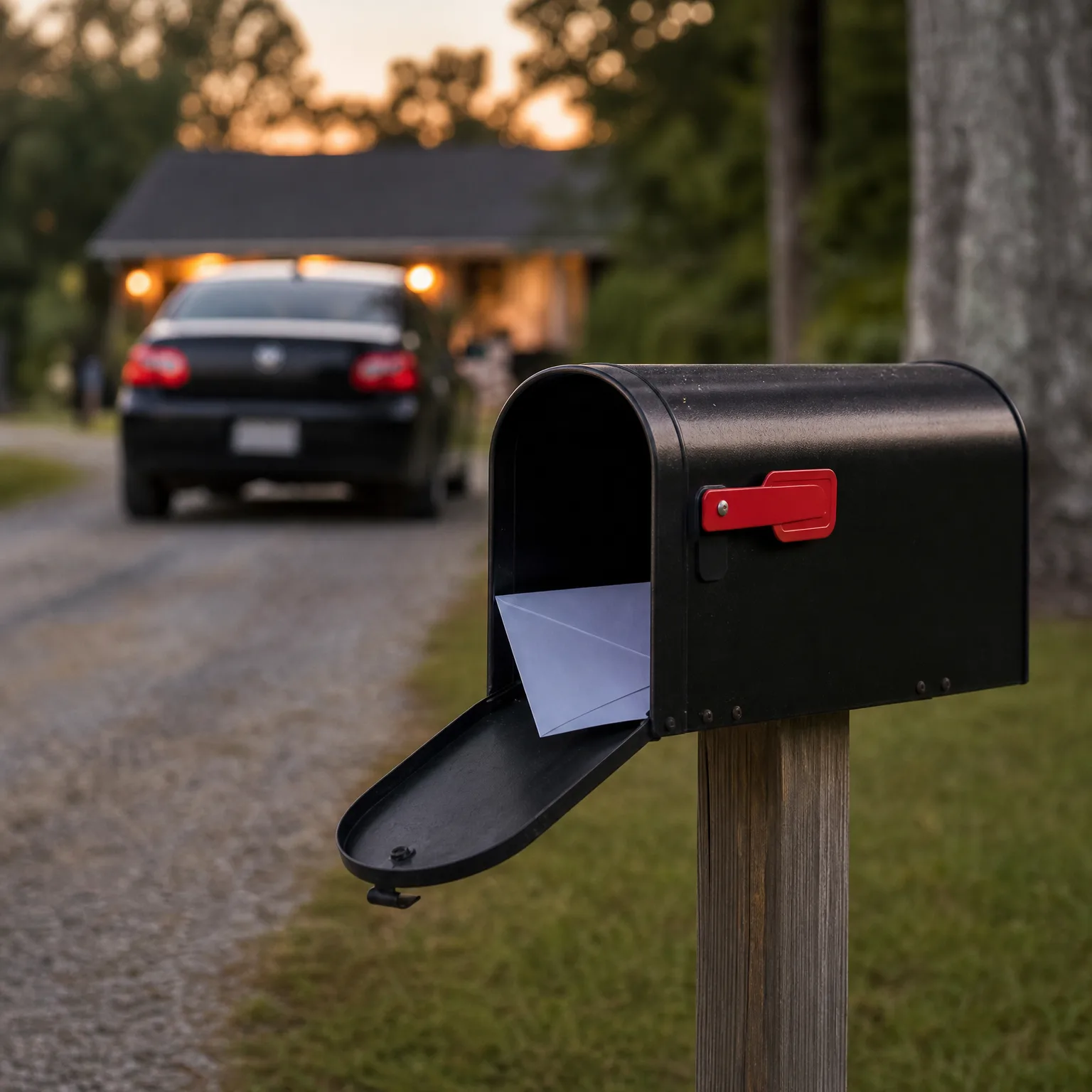
Your insurance company discovers the violation when they pull your Motor Vehicle Record, which happens at policy renewal for most carriers. That means you have a window between the conviction date and your next renewal date where your current rate stays unchanged.
Some carriers run MVR checks mid-term if you add a vehicle, change coverage, or file a claim. Progressive, State Farm, and Allstate typically check annually at renewal unless a mid-term event triggers an earlier pull.
If your renewal is 8 months away and the points just posted, you're still paying your pre-violation rate until that renewal processes. That window matters if you're deciding whether to shop now or wait.
Why Shopping Right Now Can Lock in a Lower Rate
Once the points post to your MVR, every carrier you quote with sees the violation. But if you shop before your current insurer pulls your record at renewal, you can compare rates while some carriers haven't yet priced in the ticket.
Carriers don't all pull MVRs at quote stage. GEICO, The General, and Dairyland often quote based on self-reported violations, then verify at binding. If your current insurer hasn't pulled your record yet and you switch before they do, you may avoid the initial surcharge window entirely with a new carrier.
This only works if you shop before your current policy renews and before the new carrier runs a formal MVR check at binding. It's a narrow window, but it's the reason some drivers see better rates immediately after a ticket than they would 60 days later.

Get Back to a Fair Rate After a Violation
Find Coverage for My Situation
How Long the 2-Point Violation Affects Your Insurance
Most Ohio insurers surcharge for a minor speeding violation for 3 years from the conviction date. After 3 years, the violation is no longer factored into your rate, even though the points remain visible on your MVR for up to 5 years under Ohio BMV rules.
Some carriers reduce the surcharge after the first year if you remain violation-free. Erie, Auto-Owners, and Nationwide have been observed dropping surcharges to 10-15% in year two and removing them entirely in year three.
The 2 points themselves drop off your Ohio driving record 2 years after conviction under current state requirements, but the rate impact typically extends beyond that point because insurers price based on their own lookback periods, not the state point system.

What Happens If You Get Another Ticket During the Surcharge Period
A second 2-point violation within 2 years puts you at 4 points and moves you into a higher-risk tier with most carriers. Rate increases compound: the first ticket raised your rate 20-40%, and the second typically adds another 30-50% on top of the already-increased premium.
At 6 points in 2 years, some standard carriers non-renew your policy or move you to their non-standard subsidiary. Progressive moves drivers to Progressive Specialty at 6 points in some states; State Farm and Allstate typically non-renew at that threshold in Ohio.
If you hit 12 points in 2 years, Ohio suspends your license for 6 months under ORC 4510.02. Reinstatement after a point suspension requires proof of financial responsibility, which in most cases means an SR-22 filing from a high-risk carrier for 3 years.
What To Do Right Now
Step 1: Check your policy renewal date. Look at your current declarations page or call your agent. If your renewal is more than 45 days away, you have time to shop before your current insurer reprices you. If it's less than 30 days out, the rate increase is likely already processed.
Step 2: Pull your own Motor Vehicle Record from the Ohio BMV. Go to the Ohio BMV website or visit a deputy registrar location. Request a certified copy of your 3-year driving record. Verify the conviction date posted and confirm no additional points or violations appear that you weren't aware of. Cost is typically $5-$8.
Step 3: Get quotes from at least 3 carriers before your renewal processes. Compare your current rate against quotes from GEICO, Progressive, Dairyland, National General, and The General. Some will quote you before pulling your MVR; others will pull immediately. Ask each agent when they verify driving records — at quote or at binding. If you can bind coverage before your current insurer runs your renewal MVR, you may lock in a lower rate.
Step 4: If your renewal already processed and your rate jumped, shop immediately. Rates vary widely for drivers with violations. One carrier's 35% increase is another's 22% increase. The difference on a $1,320/year policy is $156/year. Do not wait for the surcharge to expire — shop now, then shop again in 12 months as the violation ages.
Step 5: Set a calendar reminder for 2 years and 11 months from your conviction date. That's when the violation is about to fall off your insurer's lookback period. Shop again at that point. Most drivers see their rate drop back to pre-violation pricing once the 3-year surcharge window closes, but only if they ask for a re-quote or switch carriers.
Frequently Asked Questions
Does a 2-point speeding ticket in Ohio raise my insurance immediately?
No. Your rate increases at your next policy renewal, not the day you get the ticket. The violation posts to your Motor Vehicle Record within 10-15 days after conviction, but your insurer only sees it when they pull your record at renewal or during a mid-term change.
Can I get the 2 points removed from my Ohio driving record?
Ohio does not offer point reduction courses or remedial driving programs that remove points from your record. The 2 points remain visible for 2 years from the conviction date. Some courts allow you to take a driver improvement course in exchange for dismissing the ticket entirely, but that must be arranged before you pay the fine or are convicted.
Will my insurance company drop me after one speeding ticket?
A single 2-point speeding violation will not cause a standard carrier to cancel or non-renew your policy in Ohio. Carriers typically non-renew only after multiple violations, at-fault accidents, or when you reach 6+ points in a 2-year period. You'll see a rate increase, but your policy stays active.
How much does a 1-15 over speeding ticket cost in Ohio beyond the fine?
The court fine ranges from $136-$155 depending on jurisdiction. The insurance surcharge costs significantly more: a driver paying $1,320/year can expect to pay an additional $264-$528 over 3 years in premium increases, totaling $400-$683 when the fine and insurance impact are combined.
Do all car insurance companies in Ohio charge the same increase for a 2-point ticket?
No. Rate increases for the same violation vary widely by carrier. GEICO may surcharge 22% while State Farm surcharges 38% for identical driving records. This is why shopping after a ticket often produces better results than staying with your current insurer and accepting the renewal increase.
Related Articles

FL Speeding 1-15 Over: 3 Points & Insurance Rate Impact
5/17/2026

Speeding 1-15 Over in PA: Insurance & Point Impact
5/17/2026

Red Light Ticket Ohio: 2 Points & Insurance Impact
5/17/2026

CA Speeding 1-15 Over: 1-Point Ticket Rate Impact
5/17/2026

Speeding 1-15 Over in Georgia: 2-Point Insurance Math
5/17/2026

Ohio Following Too Closely 2-Point Impact
7/13/2026