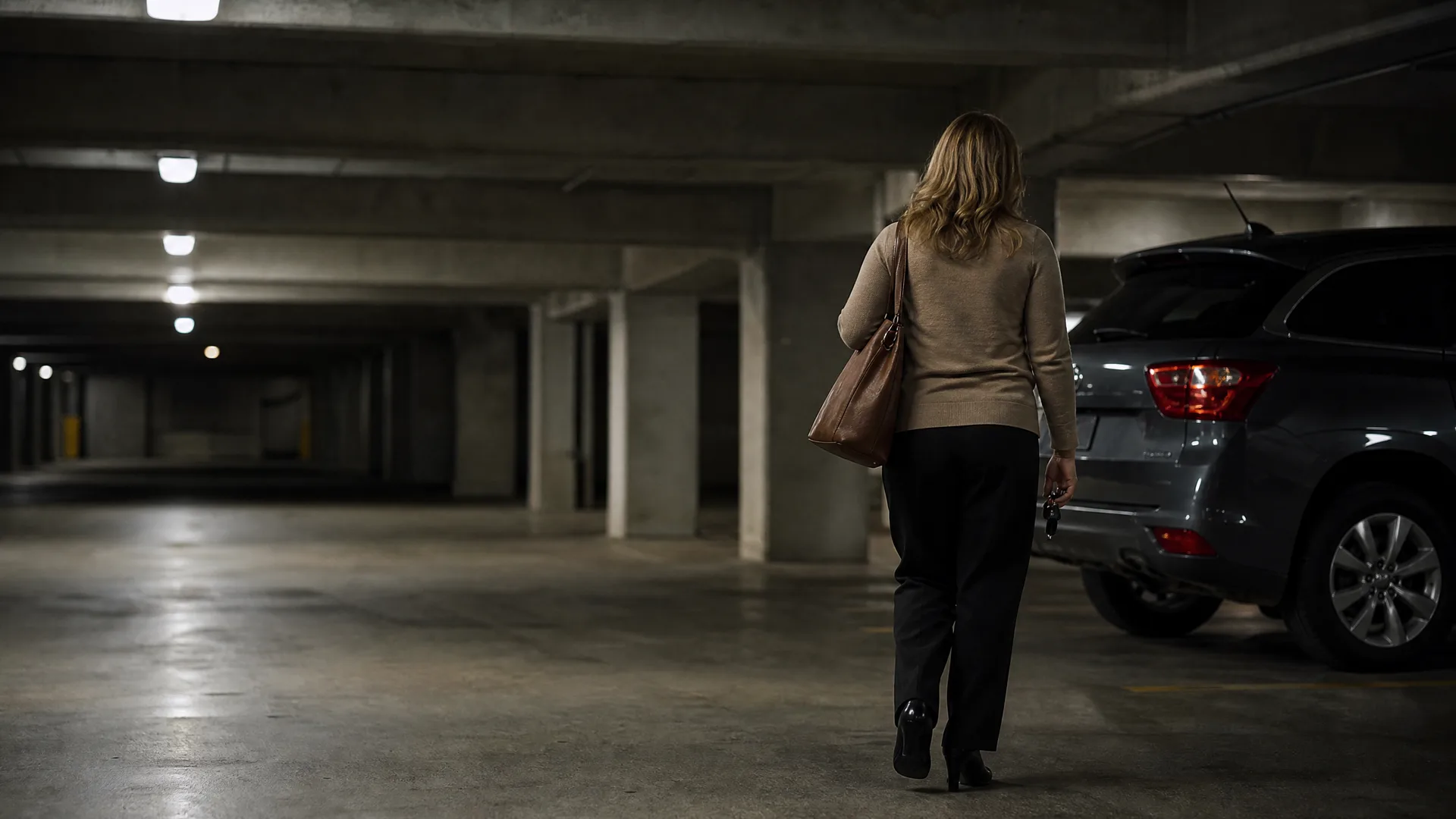
Wet Reckless vs Full Reckless: Insurance Rate Impact Comparison
Find Coverage for My SituationWhat Insurance Companies See When You Plead to Wet Reckless
A wet reckless plea shows on your driving record as Vehicle Code 23103.5 in California and similar alcohol-related reckless driving statutes in other states. The conviction itself is not labeled "DUI" on court records. But your insurance carrier sees both the reckless driving conviction and the DMV administrative suspension that follows a failed or refused breathalyzer test.
Most carriers flag wet reckless as an alcohol-related major violation during underwriting. The distinction that matters in court — wet reckless carries lighter criminal penalties, shorter probation, and no mandatory ignition interlock in some counties — does not automatically translate to insurance savings. Your carrier's rating algorithm looks at the underlying incident, not just the final plea.
If you were arrested for DUI and later convicted of wet reckless, the arrest report and the DMV suspension timeline both remain visible to underwriters. Some carriers treat wet reckless identically to DUI for the first 36 months. Others apply a slightly lower surcharge, typically 10–20% less than a full DUI increase.
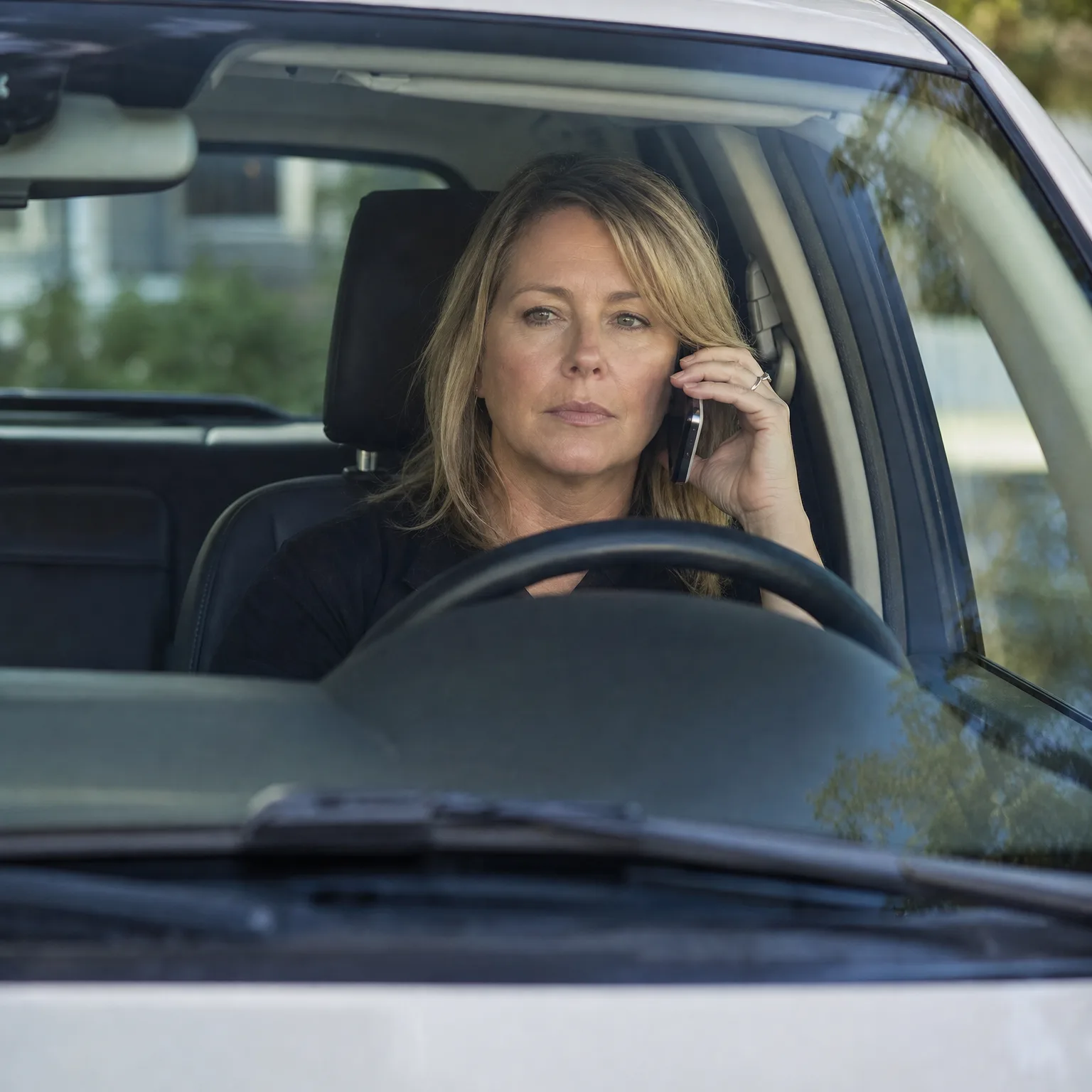
Rate Increases: Wet Reckless vs Full DUI by the Numbers
A DUI conviction typically increases your car insurance premium by 70–130% depending on your state, age, prior record, and carrier. A wet reckless conviction increases rates by 60–110% with the same variables. The difference between the two is often narrower than drivers expect after accepting the plea.
In California, where wet reckless pleas are most common, a driver paying $1,200 per year before the violation might see their premium jump to $2,040–$2,760 annually after a DUI, or $1,920–$2,520 after a wet reckless. That's a difference of $120–$240 per year in the first three years, not the $1,000+ annual savings many drivers assume when they accept the plea deal.
The rate advantage grows after the three-year lookback period. Many carriers begin reducing DUI surcharges after 36 months if no additional violations occur. Wet reckless convictions often drop off the surcharge calculation 6–12 months earlier than full DUIs, depending on the carrier. By year five, wet reckless drivers may pay 15–25% less than drivers with a DUI conviction, assuming both have clean records otherwise.


SR-22 Filing: Does Wet Reckless Change the Requirement?
SR-22 is not a type of insurance — it is a certificate your insurer files with the state, proving you carry the required minimum coverage. California requires SR-22 filing after any alcohol-related driving conviction, including wet reckless. The plea reduction does not eliminate the SR-22 requirement.
You will need SR-22 filing for three years in California, measured from the conviction date. The filing itself costs $15–$25, added to your premium by the carrier that processes it. Not all insurance companies offer SR-22 filing. If your current carrier non-renews your policy after the conviction, you will need to find a non-standard carrier that both accepts high-risk drivers and provides SR-22 filing.
Other states follow similar patterns. In Florida and Virginia, wet reckless may still trigger FR-44 filing, which requires higher liability limits than standard SR-22. Arizona, Nevada, and Washington all require SR-22 after wet reckless if the conviction was alcohol-related. The plea reduction affects your criminal record and probation terms, not the DMV's insurance compliance requirements.

Get Back to a Fair Rate After a Violation
Find Coverage for My SituationHow Long Wet Reckless Affects Your Insurance
Most carriers apply a major violation surcharge for wet reckless for 36 months from the conviction date. After three years, the surcharge drops significantly or disappears entirely, depending on your driving record during that period. A second violation of any kind during those three years resets the surcharge clock and often results in policy cancellation.
The conviction itself remains on your California driving record for 10 years and counts as a prior offense if you are arrested for DUI again during that decade. Insurance carriers in California typically look back three years for rating purposes, but some non-standard carriers extend that window to five years for alcohol-related violations.
After the surcharge period ends, you can shop for standard coverage again if your record is otherwise clean. Drivers who maintain SR-22 compliance, avoid additional violations, and complete their probation period successfully often see their rates drop by 40–60% when they move back to a standard carrier. This recovery timeline is nearly identical for wet reckless and DUI convictions.

When Wet Reckless Actually Saves You Money on Insurance
The insurance savings from a wet reckless plea are real, but they materialize slowly. In the first year after conviction, the rate difference between wet reckless and DUI is minimal with most carriers. The advantage appears in three scenarios.
First, if you are shopping for a new policy immediately after conviction, some non-standard carriers offer wet reckless-specific rate classes that price 10–15% below their DUI rates. This is not universal — many carriers use identical rate tables for both violations — but carriers like Dairyland, Progressive's non-standard division, and The General sometimes distinguish between the two.
Second, after the 36-month surcharge period, wet reckless convictions may drop off the pricing algorithm 6–12 months earlier than DUI convictions. A driver convicted of wet reckless in January 2022 might qualify for standard rates in February 2025, while a DUI conviction from the same month might extend surcharges through mid-2026.
Third, if you are convicted of a second DUI within 10 years, the wet reckless counts as a prior offense but may result in slightly lower combined surcharges than two full DUI convictions. This scenario is rare and should not drive your decision-making, but it reflects how some carriers weight repeat violations differently based on the initial plea.

What to Do Right Now
If you have been convicted of wet reckless or are considering the plea, take these steps in order to avoid a coverage gap and minimize long-term costs.
1. Contact your current carrier within 10 days of conviction. Ask whether they will continue your policy and whether they require SR-22 filing. Many carriers non-renew policies after alcohol-related convictions, even wet reckless. If they non-renew, you will receive a notice 30–60 days before your policy ends. Do not wait for that notice. Start shopping immediately.
2. Get SR-22 quotes from non-standard carriers within 30 days of conviction. Carriers like Dairyland, The General, Bristol West, Progressive (non-standard division), and Acceptance Insurance specialize in high-risk drivers and provide SR-22 filing. Compare at least three quotes. Rates vary by 20–40% between carriers for the same driver profile.
3. File SR-22 before your license reinstatement deadline. California requires proof of SR-22 filing before the DMV will reinstate your license after a wet reckless suspension. If you miss the filing deadline, your suspension extends, and a coverage gap appears on your record. A gap of even one day can trigger a second suspension and higher rates when you do obtain coverage.
4. Maintain continuous coverage for 36 months without lapses. A single missed payment or coverage gap during the SR-22 period resets the clock in most states. Your carrier is required to notify the DMV if your policy cancels for any reason. Set up automatic payments. If you cannot afford your premium, contact your carrier to adjust coverage limits before you miss a payment.
5. Request SR-22 removal after three years and shop for standard coverage. Once your SR-22 period ends, contact your carrier to remove the filing. Then compare quotes from standard carriers. You will not automatically return to standard rates — you must shop. Drivers who complete the SR-22 period without additional violations often reduce their premiums by 40–60% by switching carriers at the three-year mark.
Frequently Asked Questions
Does wet reckless show up as a DUI on my insurance record?
Wet reckless shows as Vehicle Code 23103.5 or a similar alcohol-related reckless driving conviction, not as a DUI. However, most insurance carriers treat it as a major alcohol-related violation because they can see both the conviction and the DMV administrative suspension from your original arrest. The rate impact is typically 10–20% lower than a full DUI, not the 50% difference many drivers expect.
Will my insurance company drop me after a wet reckless conviction?
Many standard carriers will non-renew your policy at the next renewal date after a wet reckless conviction, though some allow you to stay with a significant rate increase. You will receive a non-renewal notice 30–60 days before your policy ends. If your carrier non-renews, you will need coverage from a non-standard carrier that specializes in high-risk drivers and offers SR-22 filing.
How much does insurance cost after wet reckless in California?
Can I get standard car insurance again after wet reckless?
Yes, most drivers can return to standard carriers after the 36-month surcharge period ends, assuming no additional violations occur. After three years of continuous SR-22 coverage and a clean record, shop for quotes from standard carriers. Many drivers reduce their premiums by 40–60% when they move back to standard coverage at the three-year mark.
Related Articles

Wet Reckless Insurance Rates vs DUI: What Changes
5/17/2026

Dry Reckless Plea: Rate Impact and SR-22 Requirements
5/17/2026
DUI Reduced to Reckless Driving: Insurance Impact
5/17/2026

How Long Reckless Driving Affects Car Insurance
5/17/2026

DUI Reduced to Negligent Driving: Insurance Impact
5/17/2026

Cheapest Insurance After Reckless Driving by State
5/17/2026