
When to Start Shopping for Car Insurance After a DUI
Find Coverage for My SituationWhat Happens to Your Current Insurance After a DUI Conviction
Your current insurance carrier will not cancel your policy the day your DUI conviction appears on your driving record. In most states, insurers are prohibited from mid-term cancellations except in cases of fraud or non-payment. Instead, your carrier will wait until your policy renewal date — typically six months or one year from your policy start — and then decline to renew your coverage.
This creates a specific timeline problem. If your renewal date is three months away, you have three months to find a carrier willing to insure you with a DUI on your record. If your renewal date is next week, you have one week. The conviction itself does not start the clock — your renewal date does.
Some drivers receive a non-renewal notice 30 to 60 days before their policy expires, depending on state law. Others discover the issue only when they call to renew. Either way, the moment you know about the DUI conviction, the countdown to your coverage gap has already started. Waiting to shop until after your current policy ends creates a lapse in coverage — a gap that appears on your insurance record and raises your rates with every future carrier you approach.

What Your State Requires After a DUI Conviction
In most states, a DUI conviction triggers a requirement to file an SR-22 certificate with the state's Department of Motor Vehicles. SR-22 is not a type of insurance — it is a certificate your insurer files with the state, proving you carry the required minimum liability coverage. Not all insurance companies offer SR-22 filing; you will likely need a carrier that specializes in high-risk drivers.
Typically, your state will require you to maintain continuous SR-22 coverage for two to three years after your conviction or license reinstatement date, though some states require five years. If your insurance lapses during that period — even for a single day — your insurer is legally required to notify the state, your license is re-suspended, and the SR-22 clock resets to day one.
Florida and Virginia use a different certificate called FR-44, which requires higher liability limits than SR-22. In Florida, FR-44 mandates 100/300/50 coverage; in Virginia, 50/100/40. The filing process is identical to SR-22, but the minimum coverage requirement is higher, which increases your premium. If you are in Florida or Virginia, you need FR-44, not SR-22 — and you need a carrier licensed to file FR-44 in your state.


Which Insurance Companies Accept Drivers with DUI Convictions
Standard insurance carriers — the ones that advertise heavily and insure drivers with clean records — typically decline to write new policies for drivers with DUI convictions. Some will non-renew existing customers after a DUI appears on their record. A few will keep you as a customer but increase your rate by 70 to 130 percent at renewal, depending on your state, age, and driving history before the conviction.
Non-standard auto insurance refers to coverage offered by carriers that specifically work with high-risk drivers — those with DUIs, violations, lapses, or suspensions on their record. The coverage itself is identical to standard insurance; what differs is the carrier's willingness to write drivers who have been declined or overpriced elsewhere. Non-standard carriers that commonly accept DUI drivers include Progressive, Dairyland, The General, Bristol West, National General, Acceptance Insurance, and SafeAuto.
Rates from non-standard carriers vary widely based on your state, the details of your conviction, your age, and your coverage history before the DUI. Some drivers pay 80 percent more than they did before the conviction; others pay double or more. The SR-22 filing fee itself — the administrative cost of filing the certificate with your state — typically adds $15 to $50 to your premium, paid to the carrier for filing. The rate increase comes from the DUI conviction itself, not the SR-22 form.

Get Back to a Fair Rate After a Violation
Find Coverage for My SituationHow Long DUI Surcharges Last and When Rates Drop
Insurance companies typically surcharge a DUI conviction for three to five years after the conviction date, depending on the carrier and your state's regulations. The surcharge is highest in the first year and decreases gradually as time passes without additional violations. After the lookback period ends — usually five years — the DUI falls off your insurance record entirely, though it may remain on your driving record for longer.
The SR-22 filing requirement and the insurance surcharge operate on different timelines. You may be required to maintain SR-22 for three years, but your carrier may continue to surcharge the conviction for five years. Conversely, your SR-22 requirement may last longer than the surcharge period in some states. The two clocks are independent.
Once your SR-22 requirement ends and enough time has passed that the DUI surcharge drops, you can shop for standard insurance again. Some drivers stay with their non-standard carrier because rates have improved over time. Others return to the standard market and see significant rate reductions. The key variable is whether you maintained continuous coverage without lapses during the SR-22 period — a clean three-year stretch after a DUI signals lower risk to underwriters.
What to Do Right Now
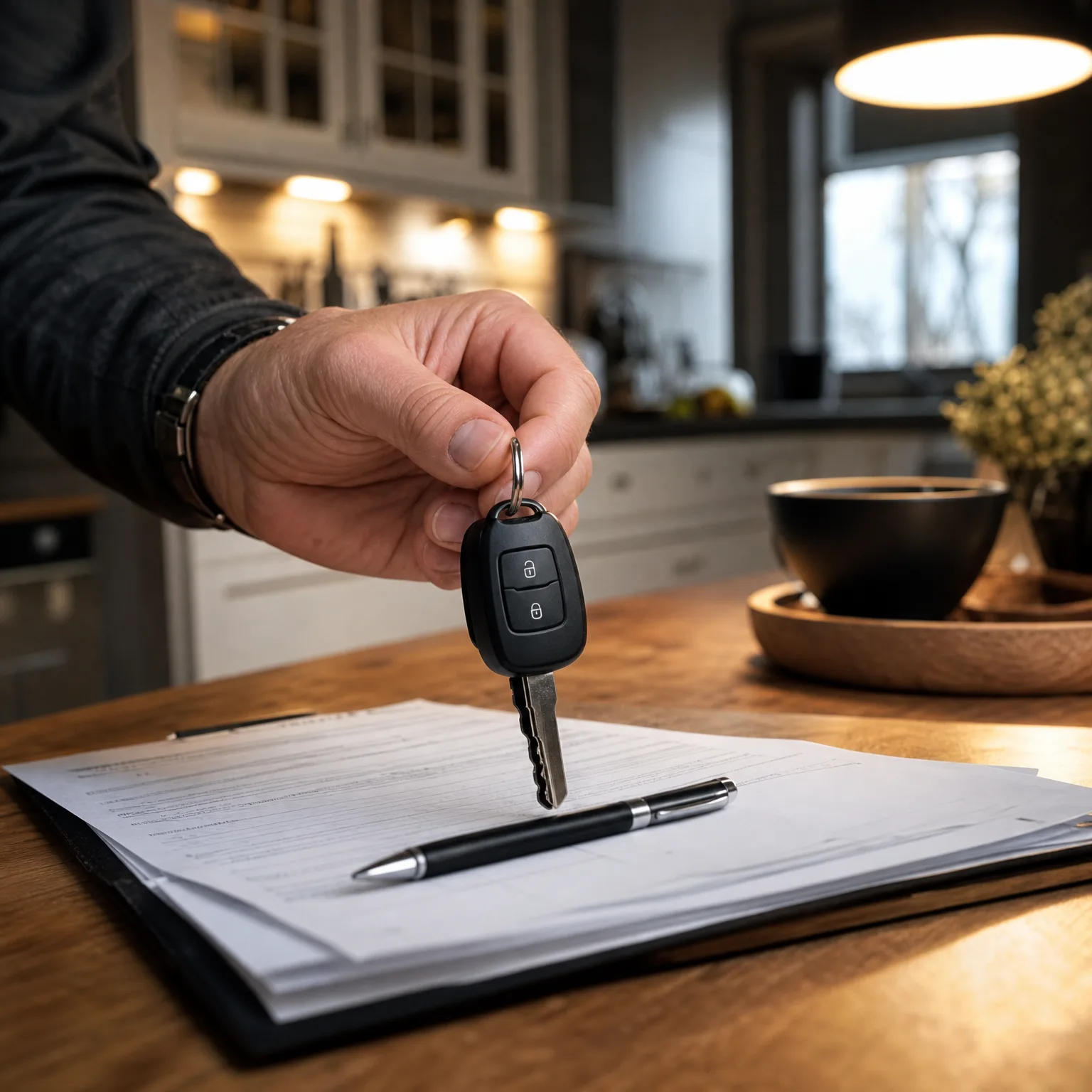
1. **Find out your current policy's renewal date within the next 24 hours.** Call your current carrier or check your policy documents. This date is your hard deadline. If your renewal is 60 days away, you have 60 days to secure new coverage. If it is two weeks away, you have two weeks. Waiting past your renewal date without replacement coverage creates a lapse that raises your rates with every future carrier.
2. **Request SR-22 quotes from non-standard carriers within the next week.** Contact at least three carriers that specialize in high-risk drivers: Progressive, Dairyland, The General, or a regional non-standard carrier licensed in your state. Specify that you need SR-22 filing and provide your conviction date, your current coverage limits, and your renewal deadline. If you are in Florida or Virginia, request FR-44 quotes, not SR-22. Quotes can take 24 to 48 hours to generate.
3. **Purchase a policy before your current coverage ends.** Aim to have your new policy start the day after your current policy expires — not the same day, which can create overlap and double billing, and not a day later, which creates a coverage gap. Provide your new carrier with your exact termination date and confirm they will file your SR-22 or FR-44 with the state within 24 hours of your policy binding. Most states require the filing within one to three business days.
4. **Confirm your SR-22 filing with your state's DMV within 10 days of your new policy start.** Call your state's license reinstatement office or check your online driver record to verify the SR-22 or FR-44 filing appears on your record. If it does not, contact your new carrier immediately. A missing or delayed filing can trigger a license suspension even if you are paying for coverage.
5. **Set a calendar reminder for 30 days before your SR-22 requirement ends.** When your SR-22 period is nearly complete — typically two to three years after your conviction or reinstatement — shop for standard insurance again. Your rates will drop significantly if you maintained continuous coverage without lapses. If you cancel your non-standard policy before the SR-22 requirement ends, your insurer will notify the state and your license will be re-suspended.
Frequently Asked Questions
Will my insurance company cancel my policy immediately after a DUI?
No. In most states, insurers cannot cancel your policy mid-term for a DUI conviction. They will wait until your renewal date and then decline to renew. This gives you a window to find new coverage before your current policy ends.
How much does car insurance cost after a DUI conviction?
Rates typically increase 70 to 130 percent after a DUI, depending on your state, age, and driving history. The SR-22 filing fee itself adds $15 to $50, but the conviction surcharge is what drives the majority of the increase.
Can I get car insurance without SR-22 after a DUI?
Not if your state requires SR-22 filing. If you are convicted of a DUI and your state mandates SR-22, you must maintain continuous SR-22 coverage for the required period — typically two to three years. Driving without it results in license suspension.
How long do I need to keep SR-22 insurance after a DUI?
Most states require SR-22 for two to three years after your conviction or license reinstatement date. Some states require five years. If your coverage lapses during that period, your license is re-suspended and the SR-22 clock resets.
What happens if I let my car insurance lapse after a DUI?
Your insurer is required to notify the state immediately, your license is re-suspended, and your SR-22 requirement period resets to day one. You will also face higher rates from future carriers due to the coverage gap on your insurance record.
Related Articles

Car Insurance After License Suspension in Ohio
5/17/2026

Careless Driving Plea Reduction Options by State
5/17/2026

Radar Speeding Ticket: Insurance Reporting Timeline
5/17/2026

Car Insurance After First OWI in Wisconsin: Rates & SR-22
5/17/2026

MO Reckless Driving: Insurance Rate Increase Guide
5/17/2026

Car Insurance After Reckless Driving in Massachusetts
5/17/2026