What Affects Rates in San Francisco
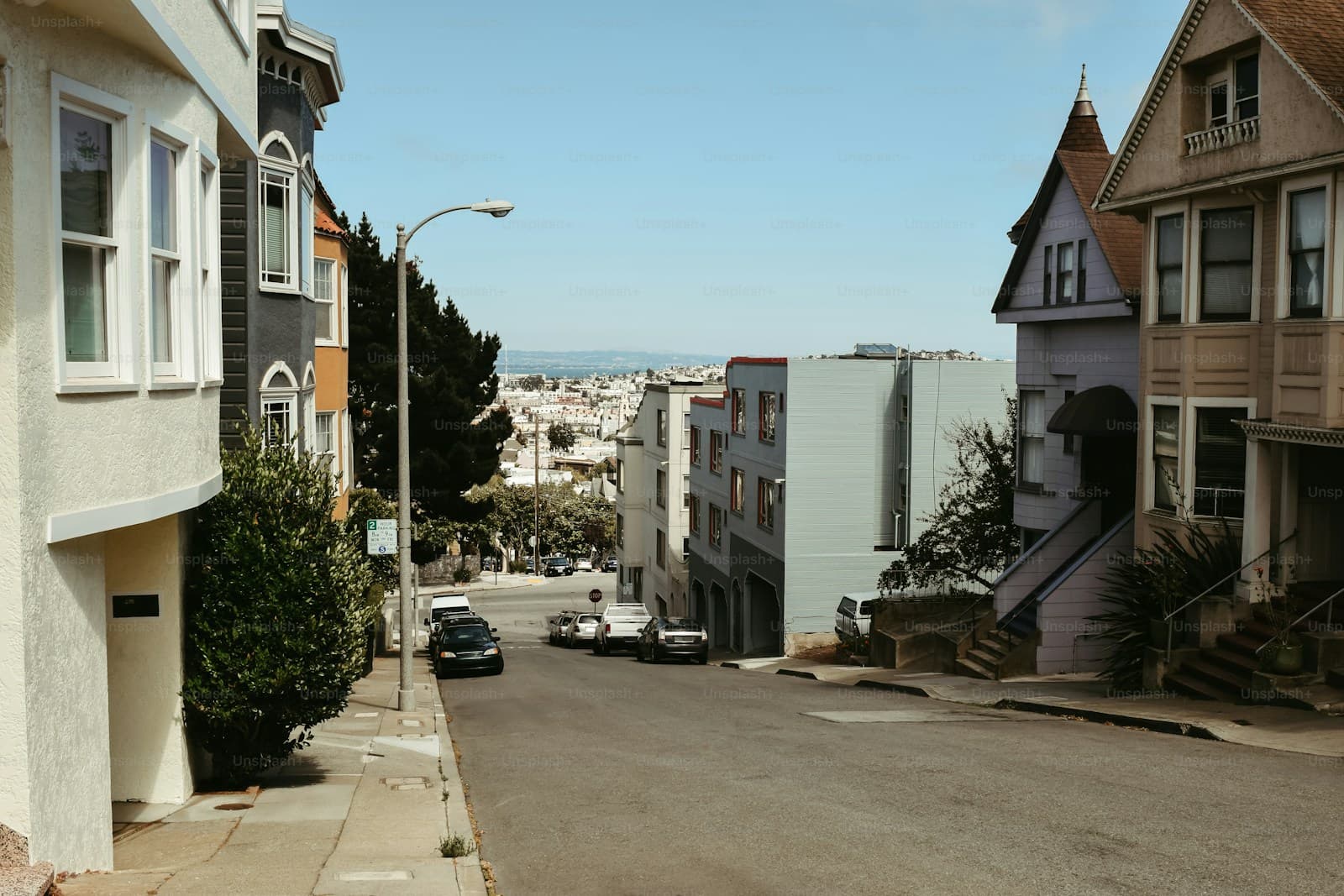
- Urban Density and DUI Collision Risk: San Francisco's 18,000+ residents per square mile and grid-pattern streets in neighborhoods like the Mission and Tenderloin create high pedestrian and vehicle interaction zones. Insurers assign elevated risk scores to DUI drivers in these dense areas due to greater crash exposure, adding 15–25% to base high-risk rates compared to suburban California markets.
- Non-Standard Market Concentration: The Bay Area has fewer non-standard carriers willing to write high-risk policies than Southern California, limiting competition. San Francisco DUI drivers typically choose from 4–6 specialized insurers rather than 10+, which keeps rates 10–18% higher than comparable violation drivers pay in Los Angeles or San Diego.
- Court Processing Timeline: San Francisco Superior Court DUI cases typically resolve within 90–180 days, but license suspension often begins earlier through DMV administrative hearings. The gap between suspension and final conviction means many drivers shop for SR-22 coverage twice—once for restricted license reinstatement, then again after sentencing—paying application fees and experiencing coverage gaps that further elevate premiums.
- Vehicle Theft and Comprehensive Claims: San Francisco reports vehicle theft rates nearly double the California average, particularly in neighborhoods like the Richmond and Sunset districts. DUI drivers needing full coverage face comprehensive premiums 20–30% higher than state norms because insurers layer theft risk onto existing violation surcharges.
- Parking and Storage Costs: Limited off-street parking forces many San Francisco drivers to park on steep hills and congested streets, increasing minor collision frequency. High-risk insurers factor in 8–12% higher collision loss costs for SF zip codes, which compounds the DUI penalty when calculating full coverage rates.
Find out exactly how long SR-22 is required in your state
Coverage Recommendations
Cost estimates are based on available industry data and vary by driver profile. These are not insurance quotes.
SR-22 Certificate Filing
SR-22 is not insurance—it's a certificate your insurer files with the California DMV proving you carry at least state minimum liability coverage. Most DUI convictions in San Francisco trigger an SR-22 requirement, typically for three years, and the one-time filing fee runs $15–$35. Missing a payment voids the SR-22, triggering immediate license suspension.
$15–$35 filing feeEstimated range only. Not a quote.
Non-Standard Auto Insurance
Non-standard carriers specialize in high-risk drivers after standard insurers like State Farm or Allstate non-renew your policy. In San Francisco, expect non-standard liability-only policies around $1,800–$3,200/year and full coverage $3,200–$6,800/year depending on your violation history and zip code density.
$1,800–$6,800/year typical rangeEstimated range only. Not a quote.
Liability Insurance
California typically requires 15/30/5 minimum liability limits, and SR-22 filing confirms you maintain at least this coverage. In San Francisco's high-cost legal environment, violation drivers often choose 50/100/50 or higher limits to protect assets—adding $400–$900/year to premiums but reducing exposure in the city's frequent multi-vehicle accidents.
$1,800–$3,200/year minimum coverageEstimated range only. Not a quote.
Comprehensive and Collision Coverage
Full coverage protects your vehicle in San Francisco's high-theft, congested environment. DUI drivers with financed or leased vehicles must carry comp and collision, but even outright owners often keep it due to parking density and break-in frequency in neighborhoods like Haight-Ashbury and North Beach. Expect $1,400–$3,600/year added to liability premiums.
+$1,400–$3,600/year over liabilityEstimated range only. Not a quote.