What Affects Rates in Honolulu
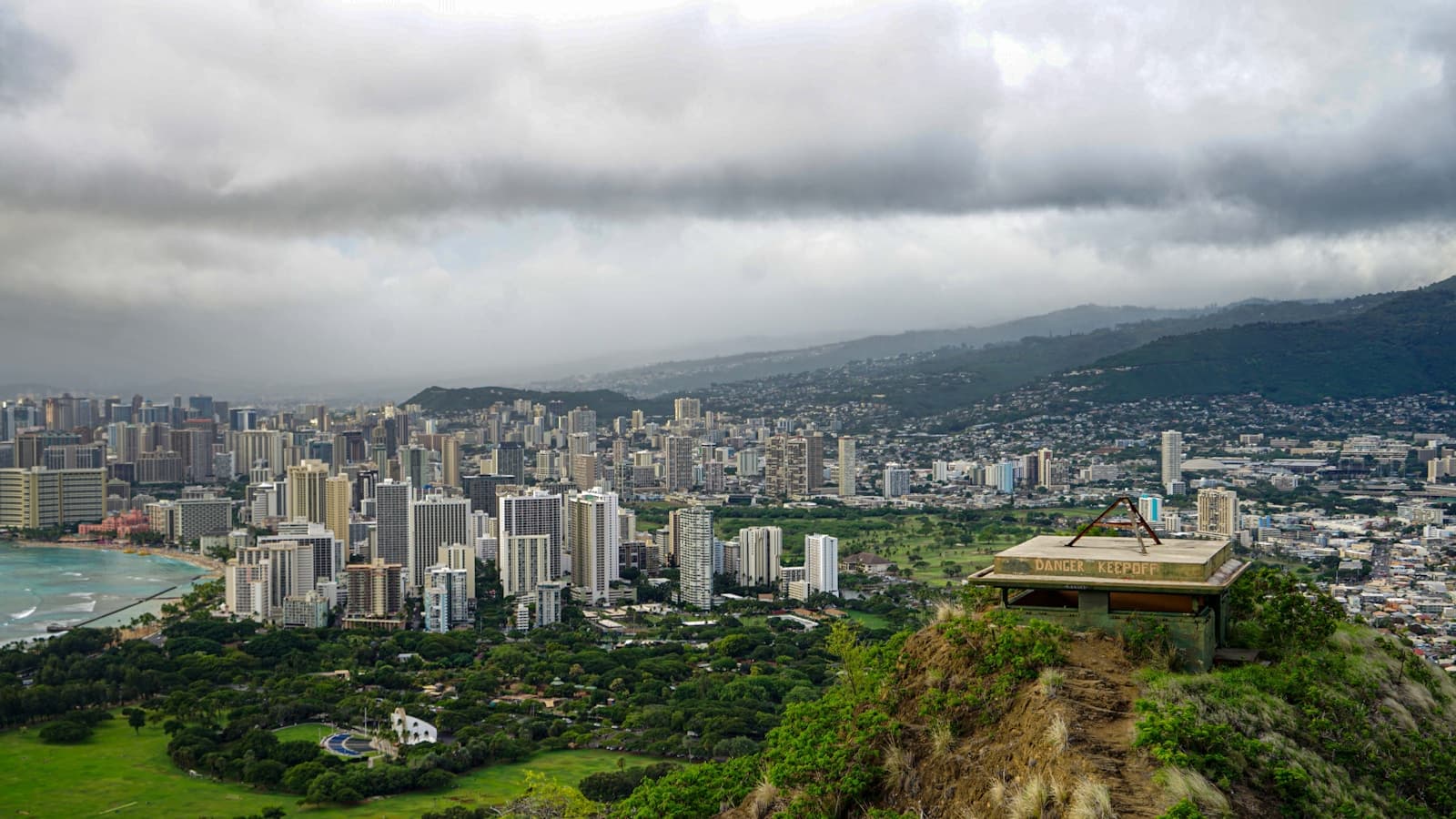
- Honolulu Traffic Density and Claim Frequency: Honolulu ranks among the nation's most congested metros, with accident rates 18–22% higher than rural Oahu areas. Non-standard insurers price DUI drivers based on accident probability, and Honolulu's urban grid with heavy pedestrian traffic and frequent rear-end collisions pushes rates $400–$700 higher annually than suburban markets on the island.
- Limited Non-Standard Carrier Market: Only 4–6 non-standard insurers actively write high-risk policies in Honolulu, compared to 12–15 in mainland metros of similar size. This limited competition keeps post-DUI rates elevated, with drivers often paying 15–25% more than comparable violation drivers in cities with deeper non-standard markets.
- Oahu Uninsured Driver Rate: An estimated 11–14% of Oahu drivers are uninsured, above the national average of 12%. Non-standard insurers account for this risk when pricing policies for DUI drivers, as the likelihood of an accident with an uninsured motorist raises underwriting costs and increases the value of uninsured/underinsured motorist coverage.
- Mandatory Insurance Verification Program: Hawaii requires continuous proof of insurance, and lapses trigger automatic registration suspension and additional fines. For DUI drivers required to file SR-22, any coverage lapse results in the state receiving immediate notification from your insurer, restarting your SR-22 clock and adding reinstatement fees of $75–$150.
Find out exactly how long SR-22 is required in your state
Coverage Recommendations
Cost estimates are based on available industry data and vary by driver profile. These are not insurance quotes.
SR-22 Certificate Filing
SR-22 is not a type of insurance — it is a certificate your insurer files with the state proving you carry at least Hawaii's minimum liability coverage (20/40/10). Most DUI drivers in Honolulu must maintain SR-22 filing for 3–5 years, and only non-standard insurers typically offer it after a violation. The filing itself costs $15–$50, but the underlying non-standard policy drives the rate increase.
$15–$50 filing fee + non-standard ratesEstimated range only. Not a quote.
Non-Standard Liability Insurance
After a DUI, you'll move from a standard carrier to a non-standard insurer specializing in high-risk drivers. In Honolulu, minimum liability coverage (20/40/10) runs $2,800–$4,200 annually post-DUI, compared to $900–$1,400 for clean-record drivers. Higher limits (50/100/25 or 100/300/50) cost $3,600–$5,400, but provide essential protection in Honolulu's high-claims environment.
$2,800–$4,200/year minimumEstimated range only. Not a quote.
Full Coverage (Comprehensive + Collision)
If you finance or lease a vehicle in Honolulu after a DUI, lenders require comprehensive and collision coverage. Non-standard full coverage in Honolulu typically costs $5,200–$7,800 annually with a $500–$1,000 deductible. Honolulu's vehicle theft rate and higher repair costs on the island push comprehensive premiums 12–18% above Oahu suburban averages.
$5,200–$7,800/yearEstimated range only. Not a quote.
Uninsured/Underinsured Motorist Coverage
Given Oahu's 11–14% uninsured driver rate, UM/UIM coverage protects you if hit by a driver without insurance or adequate limits. It's not legally required in Hawaii, but non-standard insurers in Honolulu often recommend limits matching your liability coverage. Post-DUI, UM/UIM adds $400–$700 annually to your premium but shields you from out-of-pocket costs in no-fault accidents.
$400–$700/year additionalEstimated range only. Not a quote.