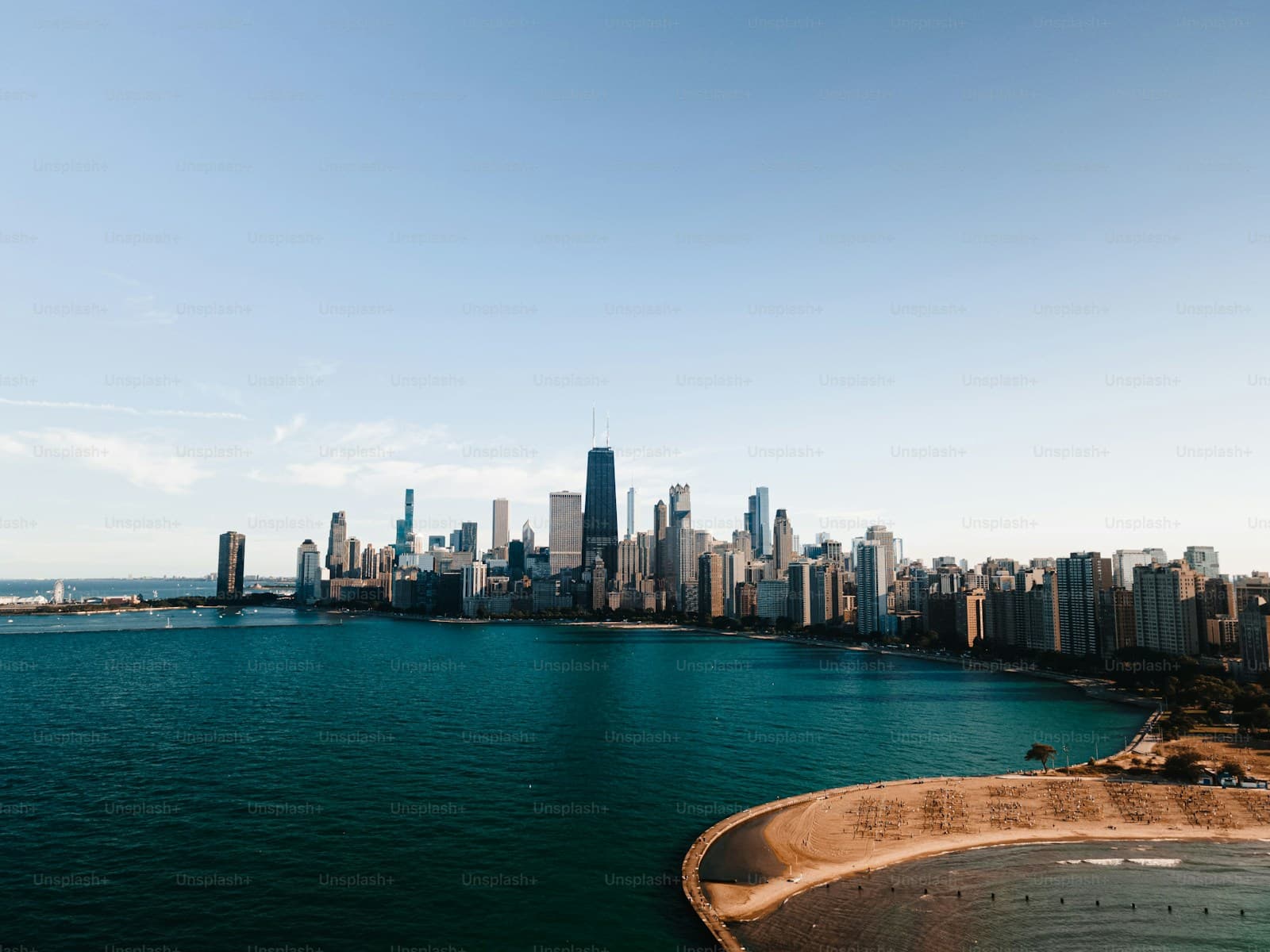
What Affects Rates in Chicago
- High Urban Collision Frequency: Chicago's dense traffic corridors—especially the Kennedy, Dan Ryan, and Eisenhower expressways—produce above-average accident rates. Non-standard insurers price violation drivers higher in zip codes with elevated collision frequency, compounding the DUI surcharge by an additional 15–25% in neighborhoods like West Loop, River North, and South Loop.
- Cook County Court Processing Delays: Cook County courts often take 6–12 months to finalize DUI cases, leaving drivers in limbo while their current insurer may cancel mid-term upon conviction notice. Drivers should notify a non-standard carrier immediately after arrest to avoid coverage gaps, as retroactive SR-22 filing does not protect against uninsured driver penalties.
- Lakefront and High-Crime Zip Code Premiums: Non-standard insurers factor comprehensive claims risk into violation driver rates. Chicago neighborhoods with elevated auto theft and vandalism—including parts of Austin, Englewood, and West Garfield Park—add $400–$800 annually to full coverage premiums for DUI drivers compared to lower-crime areas like Lincoln Park or Lakeview.
- Winter Weather Claims Exposure: Chicago's harsh winters produce elevated collision and comprehensive claims from November through March. Violation drivers face higher winter-month comprehensive and collision deductibles or seasonal premium adjustments from non-standard carriers, typically adding $200–$400 annually to full coverage policies.
Find out exactly how long SR-22 is required in your state
Coverage Recommendations
Cost estimates are based on available industry data and vary by driver profile. These are not insurance quotes.
SR-22 Certificate Filing
SR-22 is not a type of insurance—it is a certificate your insurer files with the Illinois Secretary of State proving you carry at least the state-required liability limits. After a DUI or serious violation in Chicago, you typically must maintain SR-22 filing for three years. If your policy lapses for any reason, your insurer notifies the state immediately and your license is suspended again.
$15–$50 filing fee, plus 90–130% higher premiumsEstimated range only. Not a quote.
Non-Standard Auto Insurance
Non-standard insurance is coverage from carriers that specialize in high-risk drivers, including those with DUIs, suspensions, or major violations. In Chicago, non-standard full coverage for a DUI driver typically costs $2,800–$5,200 annually depending on neighborhood, driving history, and vehicle type. These policies include SR-22 filing as a standard service.
$2,800–$5,200/year full coverageEstimated range only. Not a quote.
Liability Insurance
Illinois requires all drivers to carry liability insurance, and DUI drivers must maintain it continuously to satisfy SR-22 requirements. Liability-only coverage for a DUI driver in Chicago typically costs $1,400–$2,600 annually. Dropping below state minimums or allowing a lapse triggers immediate license suspension.
$1,400–$2,600/year liability-onlyEstimated range only. Not a quote.
Full Coverage
Full coverage—liability plus comprehensive and collision—is often required if you have a car loan or lease, even after a DUI. In Chicago, full coverage for violation drivers runs $2,800–$5,200 annually with non-standard carriers. Higher deductibles ($1,000–$2,500) can reduce monthly premiums by 10–20% but increase out-of-pocket costs after a claim.
$2,800–$5,200/yearEstimated range only. Not a quote.