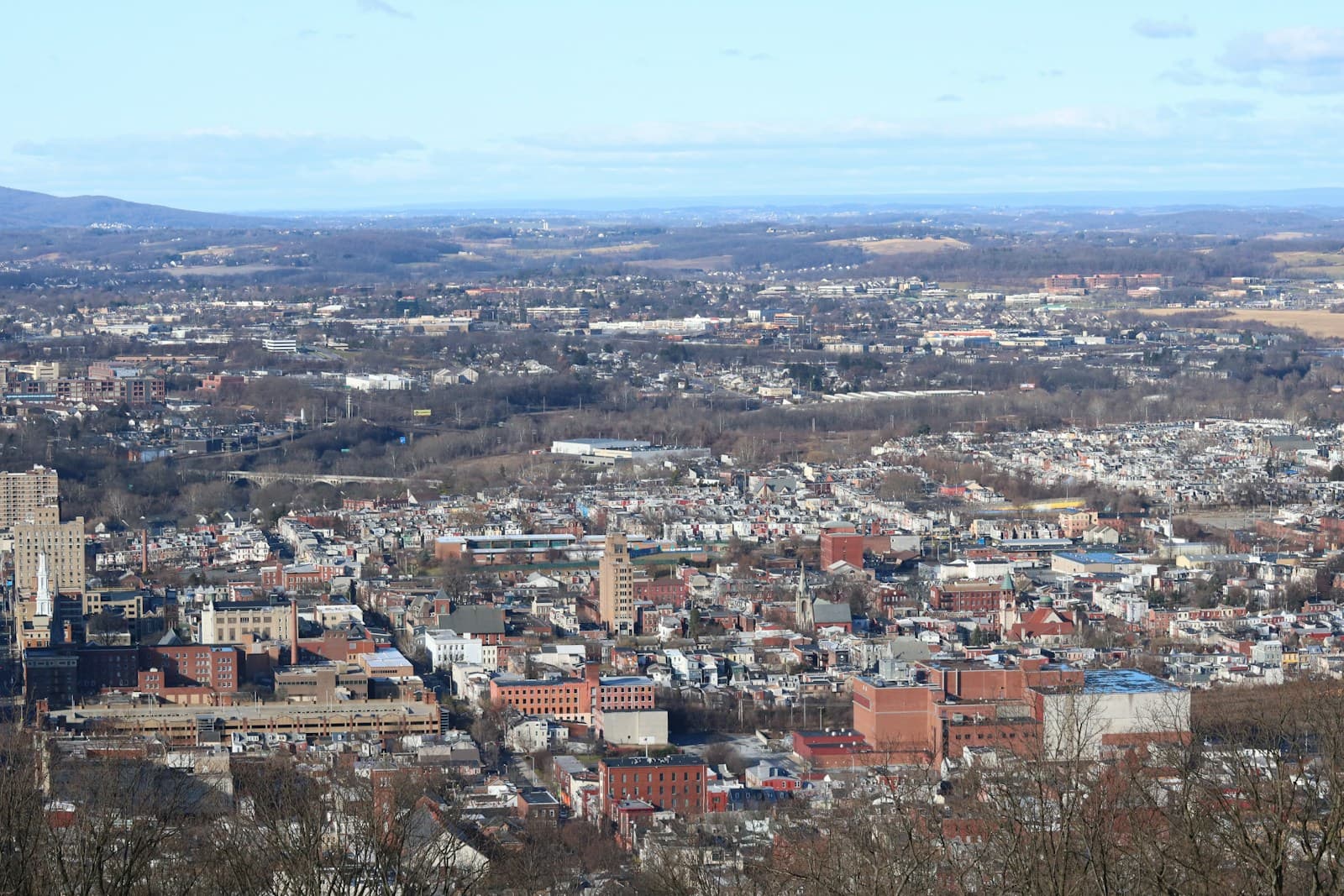
What Affects Rates in Reading
- Route 222 and Penn Street Corridor Traffic Density: Reading's concentrated urban traffic along Route 222 and the Penn Street corridor creates higher collision exposure for violation drivers, compounding the risk premium insurers assign after a DUI. Carriers price Reading non-standard policies 12–18% higher than suburban Berks County locations due to accident frequency in these high-traffic zones.
- Berks County Court Processing Timelines: DUI cases processed through Berks County Court of Common Pleas typically resolve within 4–8 months, and insurers often non-renew policies immediately upon conviction notification rather than waiting for the policy term to end. This compressed timeline means Reading drivers need to secure non-standard coverage quickly to avoid a lapse that triggers additional penalties and higher rates.
- Reading's Uninsured Driver Rate: Reading has an estimated uninsured driver rate near 12–15%, higher than Pennsylvania's state average, which increases claim costs for all drivers. For DUI drivers already in the high-risk pool, this elevated uninsured motorist exposure pushes premiums 8–12% higher than comparable non-standard rates in lower-density Pennsylvania cities.
- Winter Weather Impact on Violation Driver Rates: Reading averages 30+ inches of snow annually, and winter weather claims disproportionately affect violation drivers who insurers already classify as higher risk. Non-standard carriers in Reading price comprehensive and collision coverage 15–20% higher during winter months for drivers with recent DUIs or suspensions.
Find out exactly how long SR-22 is required in your state
Coverage Recommendations
Cost estimates are based on available industry data and vary by driver profile. These are not insurance quotes.
SR-22 Certificate Filing
SR-22 is not a type of insurance—it is a certificate your insurer files with the Pennsylvania Department of Transportation proving you carry the state-required minimum liability coverage. In Reading, not all carriers offer SR-22 filing, so violation drivers typically move to non-standard insurers who specialize in high-risk cases and charge the $25–$50 filing fee plus elevated premiums.
$25–$50 filing feeEstimated range only. Not a quote.
Non-Standard Liability Insurance
After a DUI in Reading, standard carriers typically non-renew your policy, requiring you to obtain liability coverage from non-standard insurers who accept high-risk drivers. Reading-area non-standard liability policies for DUI drivers start around $3,200–$4,800 annually for Pennsylvania's minimum limits, significantly higher than standard market rates due to the violation and local risk factors.
$3,200–$4,800/year (minimum)Estimated range only. Not a quote.
Full Coverage for Financed Vehicles
If you have a loan or lease on your vehicle after a Reading DUI, your lender will require comprehensive and collision coverage in addition to liability. Non-standard full coverage policies in Reading typically cost $5,500–$8,200 annually for violation drivers, with rates varying based on your vehicle value, deductible choice, and the severity of your offense.
$5,500–$8,200/yearEstimated range only. Not a quote.
Comprehensive Coverage in Urban Reading
Comprehensive coverage protects against theft, vandalism, and weather damage—risks that are elevated in Reading's urban core where vehicle theft and property crime rates exceed state averages. For DUI drivers, non-standard comprehensive coverage adds $800–$1,400 annually to your policy, but it's essential if you park on-street or in higher-crime neighborhoods near downtown Reading.
$800–$1,400/year additionalEstimated range only. Not a quote.