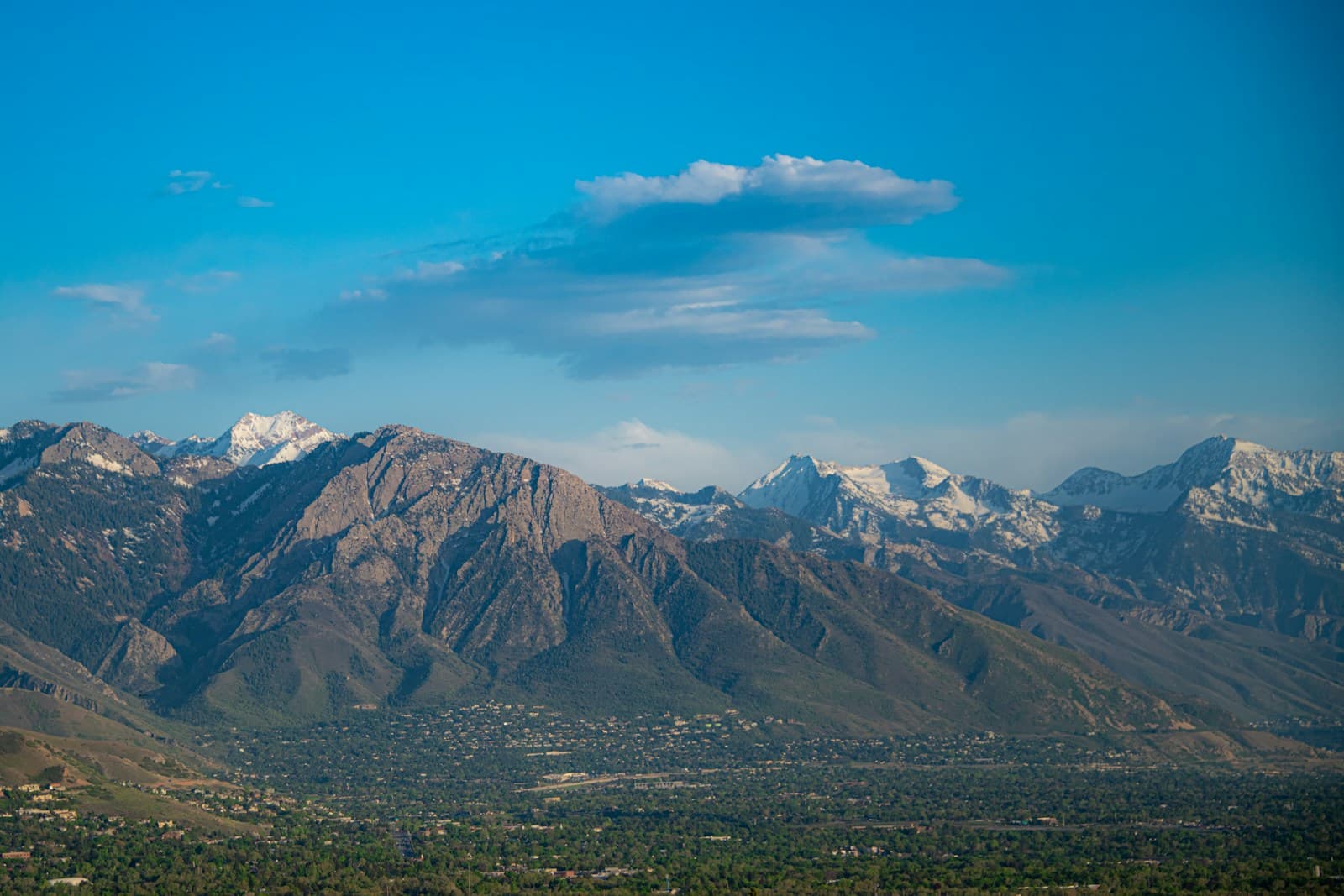
What Affects Rates in Salt Lake City
- Urban Collision Frequency: Salt Lake City's grid layout and commuter density produce above-average collision rates on I-15 and I-80 corridors. Insurers view DUI drivers in these high-traffic zones as compounding existing risk, which raises non-standard premiums 15–25% above rural Utah rates.
- Court Processing Timeline: The Third District Court in Salt Lake City typically processes DUI cases within 60–90 days, and insurers usually receive conviction notices within two weeks of adjudication. Most standard carriers issue non-renewal notices for the next policy term rather than mid-term cancellations, giving you 30–60 days to secure non-standard coverage.
- Winter Weather Risk Layering: Salt Lake City averages 54 inches of snow annually, and insurers apply higher comprehensive and collision premiums to violation drivers during winter months due to elevated accident frequency. DUI drivers switching to liability-only to reduce costs lose this protection during the city's highest-risk season.
- Non-Standard Carrier Availability: Salt Lake City has multiple non-standard insurers operating locally, including regional carriers familiar with Wasatch Front risk profiles. This competition can reduce rates 10–20% compared to statewide non-standard averages, but only if you compare multiple quotes within days of your violation.
Find out exactly how long SR-22 is required in your state
Coverage Recommendations
Cost estimates are based on available industry data and vary by driver profile. These are not insurance quotes.
SR-22 Certificate Filing
SR-22 is not insurance—it is a certificate your insurer files with the Utah Driver License Division proving you carry at least state-minimum liability coverage. The filing itself costs $15–$50, but the violation that requires it drives the premium increase. You must maintain continuous SR-22 filing for three years; any lapse triggers license re-suspension.
$15–$50 filing feeEstimated range only. Not a quote.
Non-Standard Liability Insurance
Non-standard carriers specialize in insuring drivers with violations and will issue policies with SR-22 filings when standard carriers non-renew. Salt Lake City non-standard liability rates typically run $180–$320/month for state minimums (25/65/15), significantly higher than the $80–$120/month standard-market drivers pay.
$180–$320/monthEstimated range only. Not a quote.
Full Coverage for Financed Vehicles
If you finance or lease a vehicle, lenders require comprehensive and collision coverage even after a DUI. Non-standard full coverage in Salt Lake City typically costs $300–$450/month due to the city's winter weather risk and elevated theft rates in specific neighborhoods, compared to $150–$220/month pre-violation.
$300–$450/monthEstimated range only. Not a quote.
High-Risk Auto Insurance
High-risk policies bundle liability, SR-22 filing, and optional collision/comprehensive for violation drivers. Salt Lake City rates reflect urban density: expect $2,800–$5,200/year depending on your violation severity, driving record, and vehicle type. Rates typically decrease 20–30% after two violation-free years if you maintain continuous coverage.
$2,800–$5,200/yearEstimated range only. Not a quote.